Last Call for the Sticky Floor: A Eulogy for the Bar That Now Requires a LinkedIn Profile
The neon sign survived the 2000s, the cigarette smoke didn’t, and your bartender now has “brand values.”.
Gentrification Autopsy Reporter
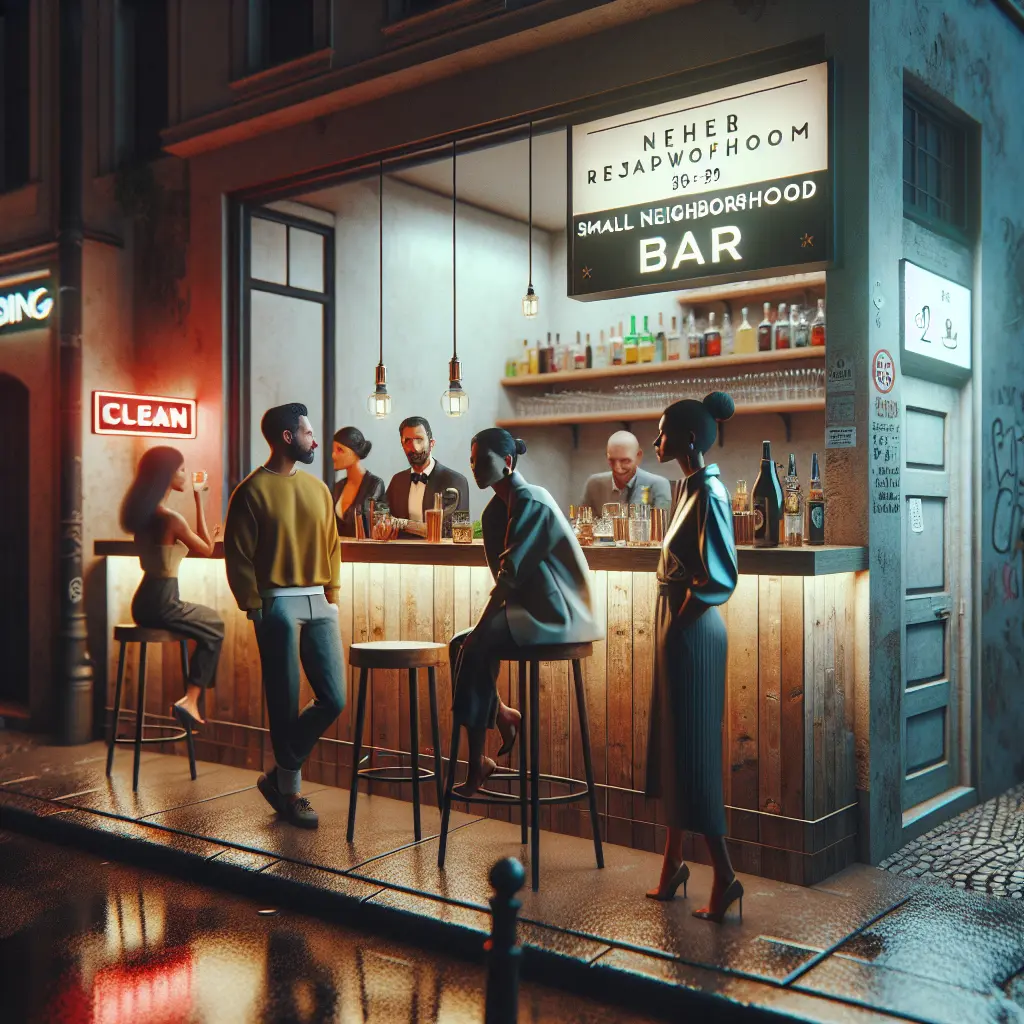
Wedding has many sacred institutions: the unreliable tram, the suspiciously optimistic new-build ads, and the beloved dive bar where the floor sticks to your shoes like an emotionally needy ex.
Well. They’ve done it. They’ve taken one of the last honest places left and turned it into a craft cocktail lounge—aka a museum exhibit where drinks cost €14 and the staff talks to you like you’re a rescue dog that might bite.
The Renovation: From “Health Code Violation” to “Design Concept”
The old bar had character. Mostly fungal, but still.
Before, the décor was:
- One flickering light that made everyone look like they were dying in a tasteful way
- A jukebox that only played songs about losing custody
- Bar stools with the posture of a collapsed empire
Now it’s all “warm minimalism,” which is interior designer slang for “we sanded down the soul and replaced it with beige.” The new aesthetic is what happens when a Pinterest board goes to therapy and comes back worse.
The Menu: Liquor With a Backstory Nobody Asked For
Once upon a time, you ordered a beer by making eye contact and pointing. Now you’re handed a laminated novella.
Every drink has a narrative:
- The gin is “foraged” (from where? a haunted parking lot?)
- The ice is “hand-cut” (congrats on your artisanal freezer)
- The bitters are “housemade” (so is your attitude, apparently)
And the bartender—formerly an unlicensed philosopher with forearm tattoos and a personal feud with soap—now introduces themselves like they’re about to pitch you an app.
“Hi, I’m Miro, pronouns are he/him, and this cocktail explores the tension between citrus and late capitalism.”
Buddy, I just wanted something strong enough to erase the memory of my own voice.
The Crowd: You Can Smell the Disposable Income
The old clientele was simple: exhausted locals, night-shift workers, and that one guy who always looked like he’d just been released from a morally complicated prison.
The new clientele arrives in coordinated outfits that scream “we have opinions about chairs.” You can spot them by their behavior:
- They pronounce “vermouth” like it’s a sacred text
- They tip with a smug little smile, like it’s charity work
- They take a photo of the drink, then take a photo of themselves pretending not to take a photo
It’s less “bar” and more “audition room for people who want to be interesting without suffering.”
The Music: Curated Like a Funeral Playlist for Fun
You used to get loud trash music: punk, techno, weird Balkan pop, the occasional German schlager that forced everyone to confront their mortality.
Now it’s “eclectic.” Which means: quiet disco tracks that sound like they were designed to keep your heart rate low enough to keep spending.
Nothing kills a night faster than background music that feels like it was chosen by a committee of anxious cereal box designers.
The Bathroom: The End of an Era
The true tragedy is the bathroom.
The old bathroom was a civic experience. It smelled like despair and industrial cleaner. The lock didn’t work, the light didn’t work, and neither did your sense of self-worth.
Now it’s spotless. There’s a plant. There’s paper that doesn’t slice your skin. There’s even a little basket of “guest amenities,” which is rich, because the only amenity I ever needed in a bar bathroom was plausible deniability.
The Real Reason This Happened
They didn’t renovate because they cared.
They renovated because someone discovered the bar could be “monetized” beyond selling cheap beer to sad people. They realized you can charge triple if you remove everything that made the place survivable.
Dive bars aren’t just businesses. They’re social landfills where the city dumps its unprocessed feelings. And once you clean them up, the feelings don’t disappear.
They just go somewhere worse.
Like your living room.
Or a mindfulness studio.
Or God help us, brunch.
Final Toast
So raise your clarified, oak-smoked, ethically ambiguous cocktail to the memory of the old place.
It didn’t need a brand identity. It had a smell. It had a mood. It had the kind of lighting that made strangers look like friends and friends look like mistakes.
Now it has a "concept"—which is what you call a bar right before it starts selling merch.
See you at the next funeral. I’ll be the one asking if the ashes are locally sourced.