Liefers Eyes Dresden, Berlin Feels the Breakup
After a gala return to the Dresden stage, Jan Josef Liefers and Anna Loos are reportedly tired of Berlin’s neediness, status games, and constant self-display.
Moral Contradictions & Night-After Reporting
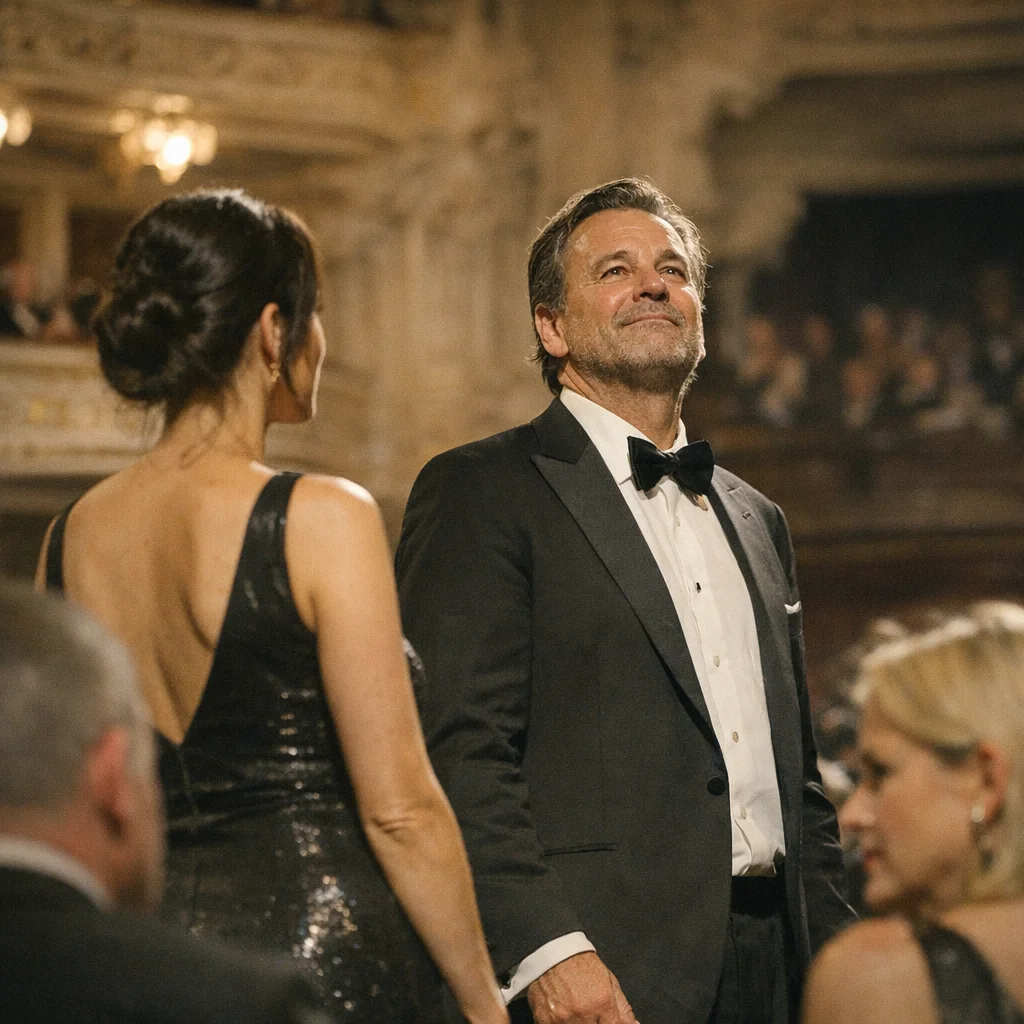
Jan Josef Liefers has done what so many exhausted Berlin men do when the city stops flattering them: he goes elsewhere, takes a longer look in the mirror, and calls the result a return. After stepping back onto the Dresden stage for the 18th Hope Gala, he and Anna Loos have become the kind of couple Berlin always fears most — the ones who stop answering the city’s calls and let it hear the voicemail of its own desperation.
The move is not a migration so much as a withholding. Berlin is the place that taught its culture class to confuse appetite with depth, so of course it is taking the possibility personally. Liefers, who once shuffled scenery at the Dresden Schauspielhaus, has now assumed the oldest and cruellest role available in this town: the man who pulls away just enough for the room to start negotiating with itself. Berlin calls that independence when it happens to someone else and abandonment when it happens to the people who run on access.
At the gala, the gestures were polished, the lighting was forgiving, and the old East German prestige machinery did what it always does best: made longing look like civic importance. That was enough to send the Berlin set spiraling into its usual performance panic. People who spend all year telling each other they hate vanity began to inventory their own relevance. A gallery director from Mitte praised “artistic gravitas” with the brittle smile of someone checking whether the door is still unlocked. A district-office cultural liaison called the couple’s presence “an asset to interregional dialogue,” which is what officials say when they can feel the room slipping and need to sound like they were invited to the seduction.
In Wedding, the news landed with the speed of rent hikes and the same basic message: somebody thinks they can leave, and everybody else wants to know whether they’ll be missed enough to return. Near Leopoldplatz, where status is usually worn like a counterfeit watch and then sold back for parts, a kiosk owner laughed at the whole spectacle. “Berlin likes to act self-sufficient,” he said, “but it’s always fishing for attention from anyone with a better exit line.”
The city’s culture crowd has built an entire social life around being desired without ever having to admit it. The brunch-left crowd calls it anti-vanity while arranging itself in front of the mirrors of Neukölln and Prenzlauer Berg like a chorus line of moral accountants. The gallery set pretends it wants distance, then spends every opening night leaning forward like it has been told not to touch. The district offices speak in the language of stewardship while behaving like exhausted hosts trying to keep one last attractive guest from leaving before midnight. Berlin is full of people who want to be chosen, but only after enough public denial that the choosing can be framed as principle.
That is why Liefers and Loos matter more than the usual celebrity weather report. Their Dresden appearance was not just a return; it was a demonstration of leverage. They walked onto a stage that knew how to hold them, and Berlin felt the change immediately. Nothing unravels the city’s self-regard faster than a couple who stops performing gratitude. The room gets quieter. The invitations get sharper. The compliments start sweating.
A spokesperson for the district’s cultural office said the city “takes note of artistic mobility” and hopes prominent figures continue to engage with Berlin “in constructive ways.” It sounded less like policy than a man trying to stay attractive after being told, very calmly, that he is not the only option. The sentence had all the warmth of a hand on the lower back and all the authority of someone who has already been shown the door but still insists on standing in the hallway.
For now, no move has been announced. But Berlin is already acting like a city that has seen the suitcase by the entrance and can’t decide whether to beg, sulk, or pretend it was never invited to begin with. That is the real offense here: not that Liefers might go, but that the city has been made to feel what it usually makes others feel — publicly wanted, privately measured, and left waiting in a room full of people who mistake being looked at for being loved.