Lommatzsch Lets the FDP Through the Back Door
Mayor Anita Maaß has been reelected for another seven years, giving the liberals a rare local success that looks less like a comeback than a long, relieved consent to keep the same arrangement in place.
Moral Contradictions & Night-After Reporting
Lommatzsch’s Back Door, Berlin’s Bad Habit
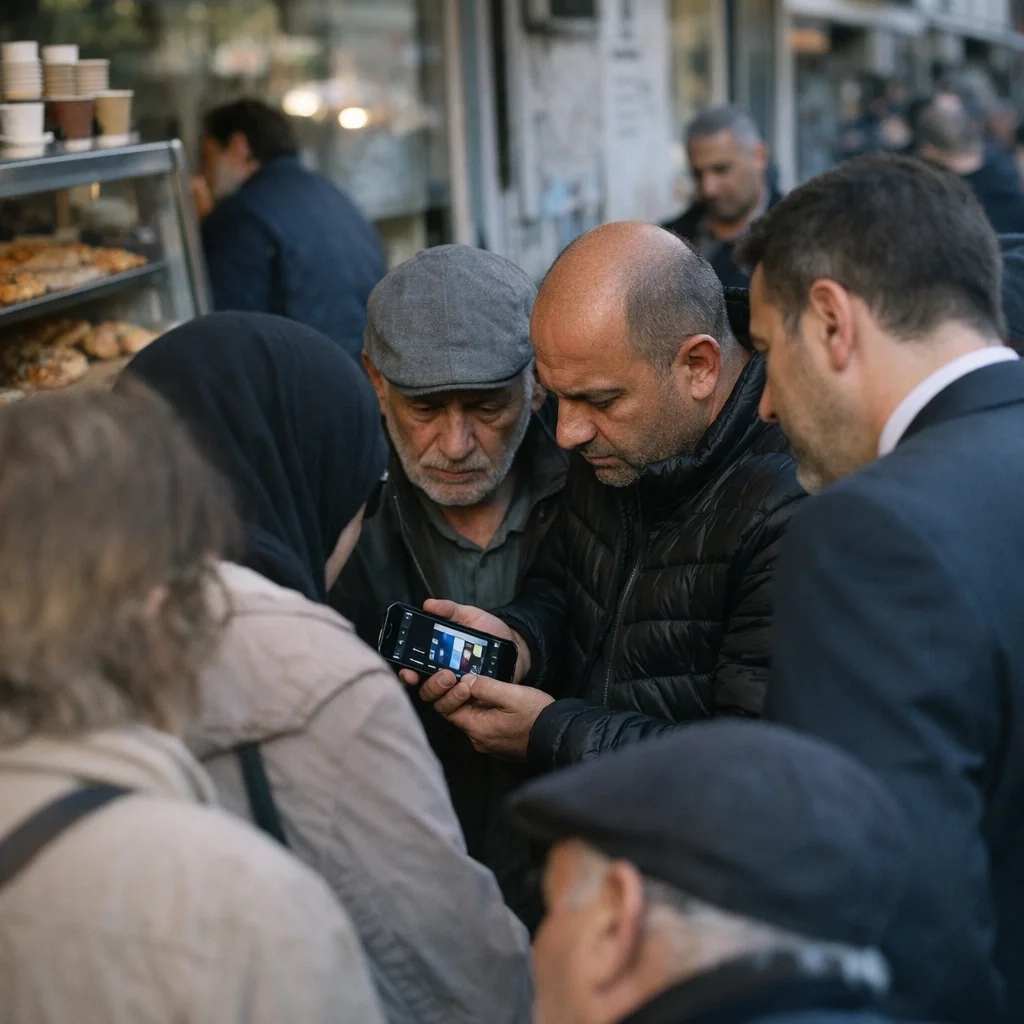
In Wedding, where every liberated soul eventually discovers that it still needs a landlord, the reelection of Lommatzsch’s mayor with 49.88 percent for the FDP landed like a key copied by someone who had no right to the building and no intention of leaving quietly. The result moved through the neighborhood the way a familiar hand moves through a coat pocket: noticed, resented, and ultimately allowed because too many people had already decided it was easier than making a scene. It was discussed Monday morning in a Turkish bakery near Leopoldplatz, then in a coworking café where three men in identical black coats were already calling themselves “nonpartisan,” which in Berlin usually means they have merely learned to keep the zipper hidden.
By late morning, the story had spread through the local cast of civic accomplices: the old men who distrust everything except resignation, the young professionals who distrust only the poor, and the district regulars who can turn any loss into a networking event. They all agreed on one thing: if a liberal can still win in a place like that, it is because she has mastered the oldest municipal trick in the book, which is not leadership but entry — never through the front desk, always through the side passage, always with the right person holding the door and pretending not to notice what is being let in.
At a corner café on Müllerstraße, one longtime resident, Cem Yılmaz, said the result reminded him of “someone who keeps coming back because every lock in the house has been worn down by years of polite use.” He nodded toward the new juice bar next door and added, “That’s how this town works now. First they ask for consent, then they call it stability, and by the time you feel the damage, the keys are already in someone else’s pocket.”
The mayor, Anita Maaß, has now been in office for 21 years, long enough to outlast several waves of urban virtue, two property booms, and one entire generation of people who arrived in Wedding to escape cliché and then immediately rented it back to themselves as lifestyle. Her durability is not inspiring so much as anatomically precise: a political arrangement kept alive by repetition, ease, and the exhausted willingness of everyone involved to confuse access with affection. In a city that likes to brag about its moral appetite while subcontracting the dirty work to brokers, consultants, and district offices, Maaß has become the woman who doesn’t need to kick the door open because half the room keeps opening it for her and calling it democratic procedure.
A spokesman for the district association of Berlin liberals, reached for comment, called the result “encouraging for serious local politics,” which is what German liberals say when they mean the machine is still taking payment and nobody has filed a formal complaint. On Müllerstraße, a shopkeeper with a tobacco-stained apron was less ceremonial: “People always act offended after they’ve already let someone in. Then they want to call it a mistake instead of a habit.”
That is the real embarrassment for Berlin’s self-appointed progressives, who spend their evenings performing outrage in rooms full of rented furniture and their mornings negotiating with the same power structures in softer shoes. Lommatzsch’s liberals managed to stay useful without becoming flamboyant, which in this country passes for virtue. They did not seduce the town; they normalized the arrangement until refusal felt rude. In Wedding, where every café thinks it is a parliament and every parliament eventually behaves like a café with a better expense account, that is the most durable form of power: not conquest, but consent worn down to a signature.
The next test comes when the council translates another seven years of loyalty into actual decisions, which in municipal life means zoning, permits, favors, and the slow administrative undressing of whatever neighborhood still believes it has boundaries. If the numbers hold, the rest of the liberals can keep dying in public while one woman in Lommatzsch keeps proving that power is not about forcing the door at all. It is about being let through the back entrance again and again until everyone calls the arrangement normal and goes back to their coffee.