Mäc-Geiz Insolvency Cuts Leave Staffers High and Dry
The discount chain's creditors will vote in December on a rescue plan that keeps 123 stores open while axing 60 locations and endangering hundreds of low-wage jobs across Germany.
Gentrification & Small-Time Power Correspondent
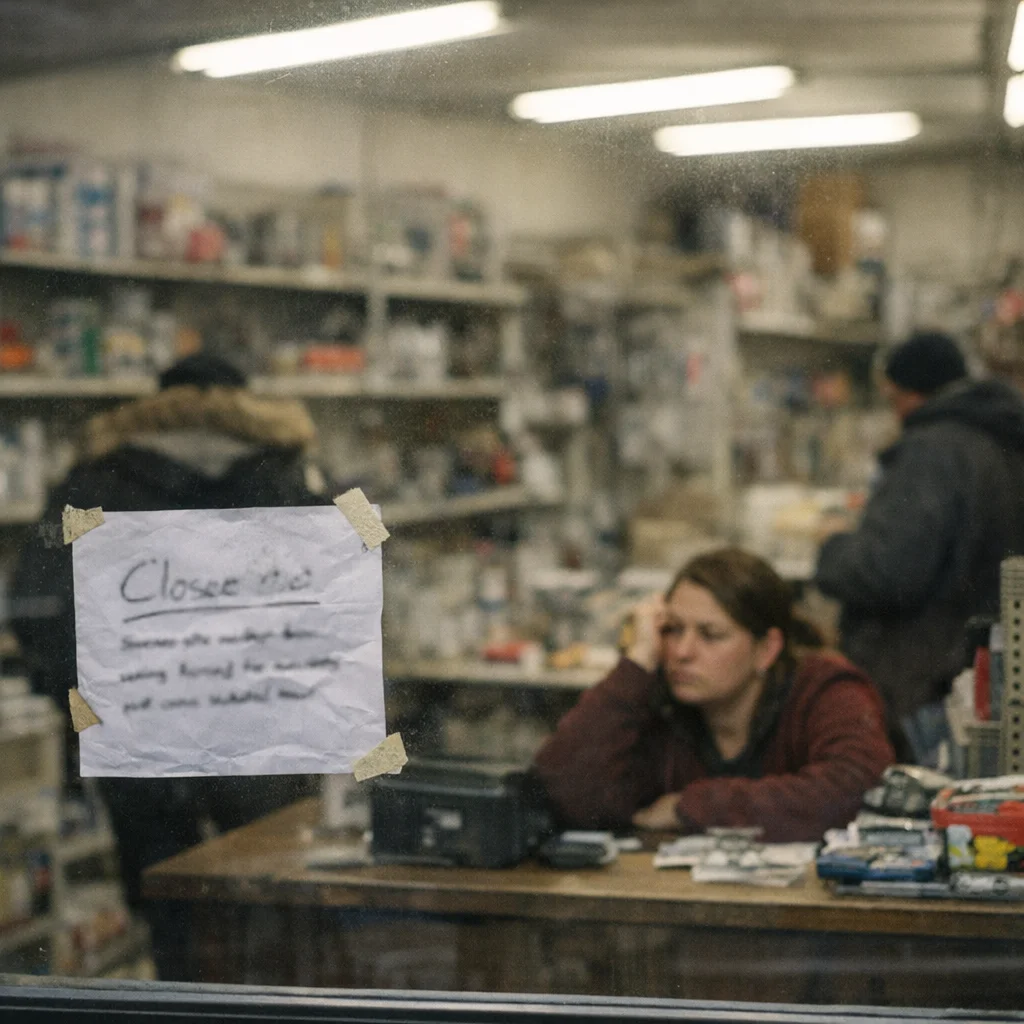
Mäc-Geiz is cutting 60 stores and putting hundreds of jobs on the chopping block, and Berliners who once treated the discount chain like a secular chapel of cheap plastic and cheaper shame are already acting as if the last roll of paper towels were a moral event. In Wedding, where the neighborhood has spent years watching glossy newcomers arrive with oat milk, median salaries, and the emotional depth of a parking permit, the news landed like a slap from a cashier who has seen too much.
At the branch near Seestraße, the shelves looked familiar in the way a bad decision looks familiar: cleaning supplies, school clutter, party leftovers, and the sad little goods that people buy when the month is longer than their pride. By early afternoon, a handwritten note in the window pointed customers toward other locations, as if the city’s economic plan could be reduced to a scavenger hunt.
"They tell us the store must be made leaner, but what they really mean is thinner everywhere except upstairs," said Miriam K. 41, a former assistant manager who asked to be identified only by her first name and last initial because she still hopes to get a reference letter from people who already treated her like disposable packaging. "The bonuses survive. The staff does not. That is the whole religion."
The company says the rescue plan will keep 123 branches open while creditors vote in December on whether the operation deserves another breath. Management calls the cuts unavoidable. Workers call them familiar. In Berlin, familiar is the word people use when they have watched a chain promise austerity from the top while insisting the cashier should smile through the collapse. It is the same old sermon: trim labor, preserve leadership, announce discipline, and hope nobody notices that the only thing being optimized is the distance between executives and consequences.
The district office in Mitte, which loves a tidy redevelopment story as long as someone else pays for the mess, said it was monitoring the social impact of the closures. That phrase usually means a meeting, a folder, and eventually a helpless shrug. A spokesperson for the trade union ver.di said the announced cuts would hit workers in lower-income neighborhoods hardest, especially where retail chains still function as the only place to buy detergent, batteries, and a humiliatingly large bag of glitter for a child’s birthday party.
In Wedding, one longtime customer who had come in for adhesive hooks and left with a pack of cheap napkins said the store felt like "the last place where the city still admitted poor people existed." That may be generous. Mäc-Geiz mostly admitted their existence by selling them things. Now even that transaction is being cleaned up for investors, while the people stacking shelves are told to accept the dignity of being cut down in an orderly way.
The rescue plan is being sold as continuity, but it reads more like a controlled extraction: the creditors get their say, management keeps its posture, and the neighborhoods lose another place where cheap necessities once passed through working hands instead of polished boardroom fingers. By December, the surviving branches will be praised as proof of discipline. For everyone else, it will look like the same old handoff—value pulled out of the store, then out of the staff, then out of Wedding itself, until only the invoice is left standing.