Müllerstraße Stops Fearing the Turkish Mafia, Starts Fearing Chemo—and Books a Techno Benefit Anyway
After the death of underworld figure “Kurden-Mehmet,” Wedding residents rediscover the one unstoppable force in Berlin: paperwork, plus whatever’s on the dance lineup.
Neighborhood Commerce & Low-Grade Dread Reporter
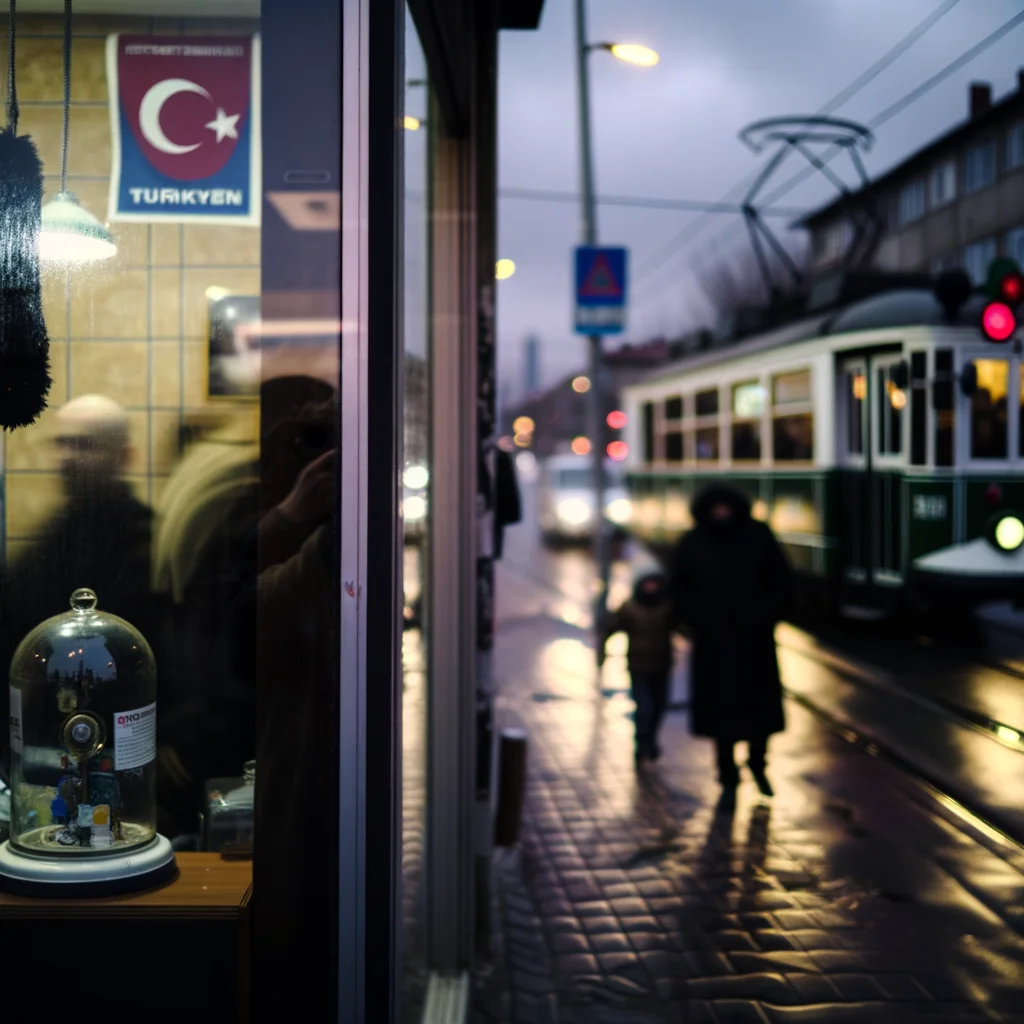
The tough guy everyone quoted, until biology wrote the press release
Wedding woke up to a headline that landed like a stone in a döner fryer: a prominent figure known as “Kurden-Mehmet” is dead, and not because someone did something cinematic with a suitcase and a trench coat. Cancer was faster than the Turkish mafia—an uncomfortable sentence that made half the neighborhood nod and the other half Google whether tumors accept “cash only.”
If you live in Wedding, you’ve been trained to respect two systems:
- the unofficial economy (swift, flexible, disturbingly efficient)
- the official one (slow, fluorescent, and incapable of describing reality in any language)
Disease, irritatingly, doesn’t care about either. It just cuts the line.
Wedding’s crisis response: grief, business continuity, and a donation jar with unclear accountability
Within hours, Wedding did what it always does when tragedy appears: it commodified empathy in record time.
At multiple storefronts along Müllerstraße, our reporter observed “support” taking on its traditional local forms:
- a tasteful black ribbon next to a very operational POS terminal
- a cigarette donation jar now repurposed as a “solidarity fund,” guarded by a stare that suggested audits would be handled informally
- extended opening hours described as “for the community,” though the community had to pay full price for tea
One barber put it to me like an urban philosopher: “In Berlin, we don’t have closure. We have opening times.”
Expat analysis immediately begins, because silence is scary
Predictably, a certain kind of newcomer took to group chats with the tone of a Walter Benjamin essay written on a cracked iPhone: “This really reveals the neighborhood’s hidden power structures.”
Yes, and the hidden structure is that biology will eventually repossess your personality, your reputation, and your favorite leather jacket—without even making an appointment.
A well-meaning coworking nomad tried to summarize the mood in Wedding as “complicated,” which is also what Berliners call a staircase, a situationship, and every landlord’s tax situation.
Techno steps in as the city’s official religion (and unofficial absolution)
By dusk, the usual solution emerged: do something noble, but make it loud.
A benefit night was proposed—not because Berlin believes music saves lives, but because Berlin believes bass saves face. Flyers appeared announcing “awareness” while coyly sidestepping the practical part: actually going to a doctor before it’s dramatic.
The venue selection debate escalated quickly, like all Berlin morality:
- too polished? accused of “aestheticizing death.”
- too gritty? accused of “romanticizing violence.”
- too sober? immediately rejected as “not aligned with the concept.”
Wedding’s moral engine always prefers a deep dive over a simple solution. The city can penetrate any ethical conversation, but it shows stiff resistance when asked to schedule preventive care.
The underworld gets outflanked by the one gangster nobody bribes: fate
There’s a reason everyone loves the mafia myth: it’s orderly. It’s structured. It implies someone is in control. Even the threat has customer service.
Illness doesn’t bargain. It doesn’t negotiate. It doesn’t take a cut. It’s less like a thriller and more like Kafka, if Kafka’s bureaucracy lived inside your body and demanded additional documents.
If you want a Berlin angle, here it is: Wedding can romanticize almost anything—crime, suffering, nightlife, scarcity—but it can’t romanticize the fact that none of this makes you immortal.
Tonight the city will dance anyway. It always does. Not as disrespect—more like a coping mechanism with better lighting. In Berlin, we mourn by moving, we process by sweating, and we express intimacy by standing too close to strangers in a room that smells like expensive nihilism.
And tomorrow, in a quieter moment, someone will tap a donation jar, clear their throat, and say the sentence nobody here ever wants to hear: “Maybe we should get checked.”
Which, naturally, will be ignored—because it’s hard to swallow the one truth even the hardest men can’t outmuscle.