Martin’s Goose Demands You Stuff It First
Berlin food influencers who preach sharing the bird like the saint once shared his cloak now insist on elaborate home prep rituals that conveniently leave the actual carving and cleanup to partners and kids.
Neighborhood Commerce & Low-Grade Dread Reporter
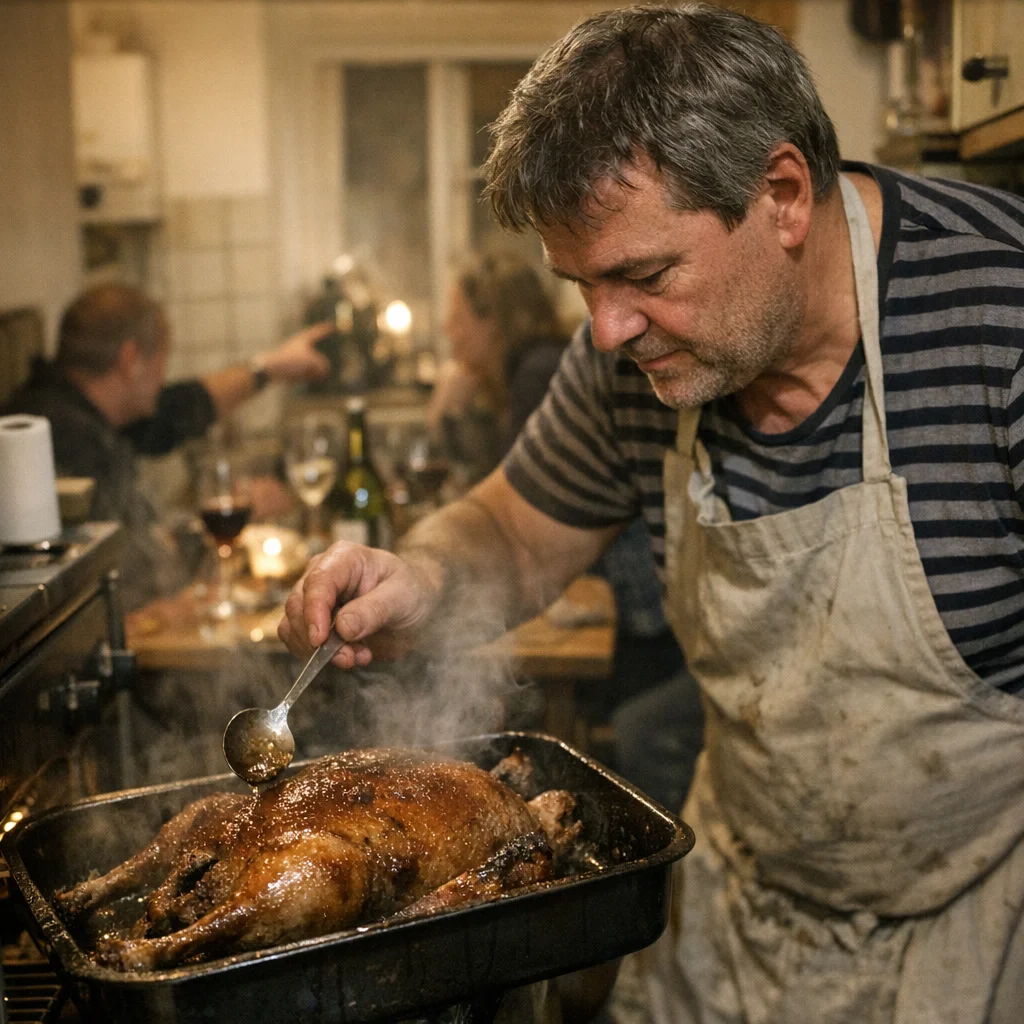
The bird is not the main event
On streets from Charlottenburg to Wedding, Martinsbraten is still sold as a lesson in humility: share the goose, honor the saint, and let the apartment smell like a parish hall that got hit by a catering invoice. In practice, the ritual is less about generosity than about selecting one person to sweat, bend, baste, and beg for oven space while everyone else arrives hungry and entitled.
At a Turkish bakery off Seestraße, owner Cem Yilmaz said the goose boom comes every November with the sincerity of a parking ticket. “People talk about tradition like it is a moral act,” he said. “But by the time they have bought special salt, fresh herbs, a thermometer, and one more bottle of wine for courage, they have built a private service economy in their own kitchen. Someone always gets leaned over the hot tray while the rest of the room pretends that is love.”
That is the part the food influencers never post. They will praise sharing, family warmth, and the saintly virtue of simple food, then publish a twelve-step commandment that keeps one adult trapped at the oven all evening. The same people who preach restraint online suddenly sound like petty foremen in cashmere, issuing orders about basting, resting, glazing, and “just checking one more time,” as if the bird were a moral test and the cook a compliant body waiting to be used.
In Wedding, where people still know the difference between feeding guests and staging virtue, the old hierarchy is obvious. Turkish families, Polish grandmothers, and a few exhausted Germans with sharp knives understand the real rule: the cook eats last, the guests eat first, and anybody who says “I’ll help” usually means they will stand nearby, make approving noises, and leave the actual labor to someone else. The modern Martinsbraten arrangement simply adds a ring light and a better excuse.
The result is a feast that rewards the loudest narrator, not the hungriest table. Whoever can describe the most painstaking preparation gets to appear principled while outsourcing the dirty work to a partner, a cousin, or a child old enough to carry a tray and young enough to be grateful for permission. It is domestic power dressed up as heritage: one person takes the heat, everyone else takes the credit, and the bird gets passed around like a promise that was already broken in the kitchen.
District kitchens and neighborhood restaurants have noticed the same pattern. “People want the feeling of a feast without admitting it is labor,” said Jana Mertens, who runs a small catering service and has already fielded requests from residents asking whether a goose can be delivered “mostly done” for authenticity. She paused at the word as if it had insulted her family.
The district office said it had no role in home roasting, though one staffer privately noted that Berlin can always find a way to turn hunger into performance. By next week, the surviving carcasses will be photographed beside limp potatoes and half-finished bottles, while the person who did the work gets thanked with the kind of gratitude usually reserved for plumbers, nannies, and men who call obedience “tradition.”