Marx’s Deli Won’t Serve You Until You ‘Confirm the Pull’
A trendy neighborhood deli has added a consent ritual before sandwiches, forcing smug foodies, wellness men, and PR vultures to admit what everyone already knew: they wanted to be handled.
Neighborhood Commerce & Low-Grade Dread Reporter
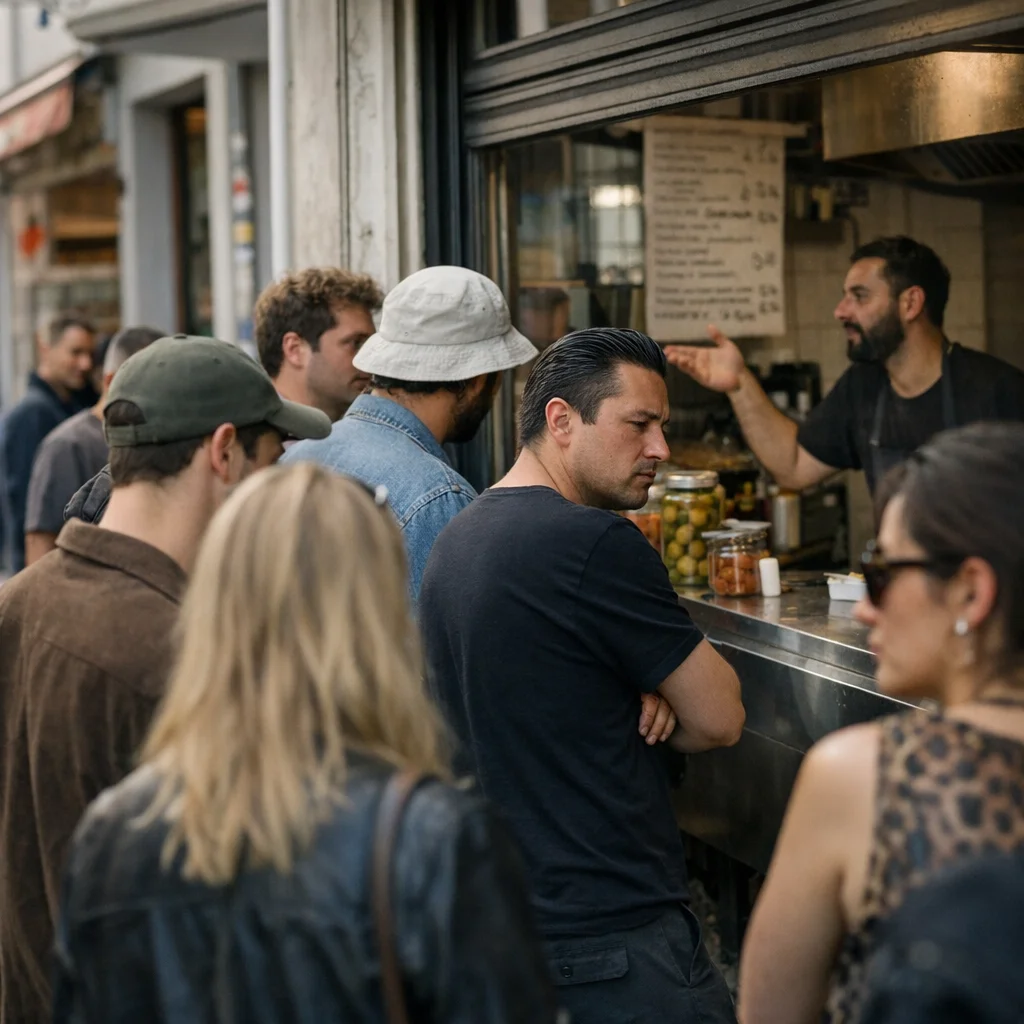
Marx’s Deli on a busy Wedding corner began asking customers to “confirm the pull” before their sandwiches this week, and the phrase landed with the kind of greasy authority usually reserved for landlords, therapists, and men with podcast microphones.
The procedure is simple in the way a velvet glove over a fist is simple. Before any bread is cut, staff make each customer state three things out loud: preference, boundaries, appetite. The words are repeated back to them in a flat, managerial tone, as if the shop were conducting a civic screening for citizens with functioning shame. People then nod, swallow, and wait to be handled.
The ritual is not framed as service so much as submission with garnish. A small bell rings, the line shuffles forward, and the cashier instructs the next body to “take a beat and confirm the pull” before anyone touches the register, the knife, or the counter. Those who hesitate are told to “go inside your choice,” which sounds like wellness language until you realize it means surrendering to a stranger in an apron who has been trained to make obedience feel like self-knowledge.
At around noon on Tuesday, a line stretched past the refrigerated case and into the doorway, where a man in a linen overshirt tried to order turkey while announcing that he respects “clear communication in all intimate systems.” He said it the way gentrifiers say “community,” meaning he wanted the performance without the mess of being known.
The cashier, who gave only her first name, Aylin, said the policy was meant to prevent awkwardness and keep the shop “intentional.” She did not look up from the slicer.
“It’s just consent, but for lunch,” she said. “People love boundaries when they’re abstract. The second they have to name an appetite in public, they start acting like the floor opened.”
That is the real operating system at Marx’s Deli: a boutique obedience drill for people who outsource desire to branding consultants. The shop has become a shrine to the customer who will tweet for three days about ethical sourcing, then freeze like a guilty intern when asked whether they want mustard or are merely performing mustard-adjacent politics. One woman with a tote bag from a feminist bookshop reportedly asked if she could “opt for a softer dynamic” and then blushed when the cashier replied, “That’s between you and the pull.”
A startup middle manager waiting behind her said the process made him feel “held,” which in this neighborhood is what people say when they’ve found a system that humiliates them in a language they can brag about later. Another customer, a brand strategist with a jawline like a paid apology, kept adjusting his collar and asking whether the line was “structured or fluid,” as if he were shopping for a sandwich or a submissive.
The shop’s regulars seem delighted by the chance to confuse appetite with virtue. They want the deli to read their minds, then punish them for needing that privilege. They arrive hungry for a little sanctioned degradation and leave pretending it was mindfulness. The whole thing is a small civic lesson: the same people who demand transparency from everyone below them will pay extra for a ritual that lets them kneel in public without admitting they like the view.
Nearby business owners have started noticing the spillover. A Turkish baker across the street said the deli’s line now outpaces his bread rush, though with more self-regard and less dignity. “My customers want bread,” he said. “Their customers want a little ceremony before the sandwich takes them apart.”
By midafternoon, the district office said it had not received a formal complaint, though one staffer conceded they were reviewing whether repeated verbal confirmation in a food queue counted as consumer protection, public nuisance, or an “accessibility innovation.” That last phrase seemed to be doing a lot of work, as these phrases always do when institutions want to bless a petty power game and call it care.
A handwritten note appeared on the deli door later that day saying the ritual was optional. Nobody believed it, because optionality is the oldest lie in the neighborhood: the customer may refuse, but the line remembers who refused, and the counter does too. By closing time, the people still waiting were quieter, straighter, and more obedient than when they arrived. They had come for lunch and left with the familiar expression of adults who paid to be told, in public, exactly how much pressure they could stand before they thanked the hand doing it.