McRibcut for Ozempic Crowd
McDonald’s is reportedly pouring billions into smaller portions, hoping customers on weight-loss injections will still show up for the protein, the branding, and the right to feel disciplined in public.
Food Politics & Public Appetite Correspondent
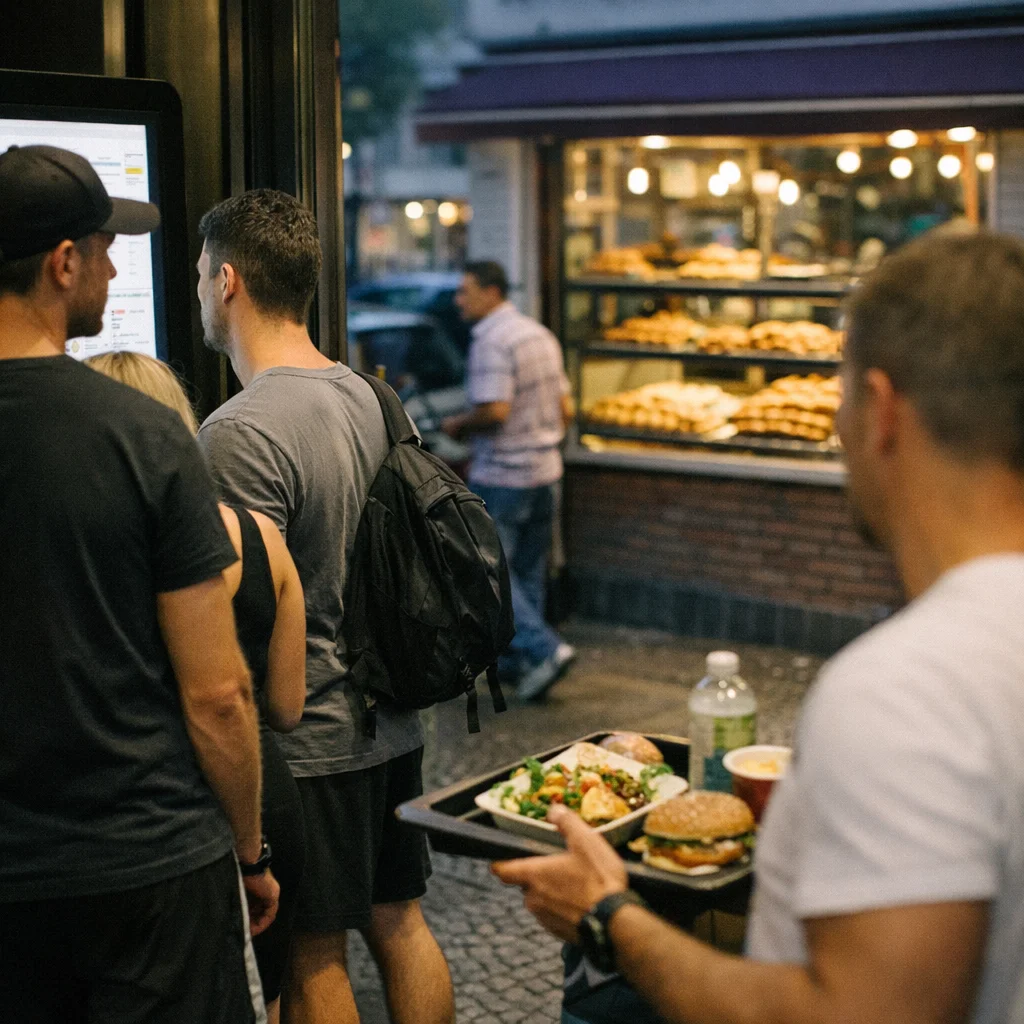
McDonald’s decision to pour billions into smaller portions has reached Berlin, where the fast-food empire is trying to sell restraint as if it were foreplay and obedience as if it were choice. In Wedding on Tuesday morning, the chain’s local outposts were already calibrating for a clientele that wants to be handled lightly, fed sparingly, and praised for the self-denial it rents by the hour.
At the outlet near Leopoldplatz, customers stood under the menu boards with the stiff concentration of people waiting to be told what they are allowed to want. The new protein-heavy items did not promise pleasure so much as permission. The trays were smaller, the language cleaner, the guilt polished into something almost erotic: a corporate hand sliding across the appetite, then withdrawing just enough to make the body grateful.
"People do not want to look hungry anymore," said Mehmet Yilmaz, who runs a nearby Turkish bakery and requested anonymity because his daughter is dating a man who calls oatmeal a lifestyle. "They want food that flatters them. It has to arrive already apologizing."
That is the market McDonald’s has chosen to court: customers who still want the bite, the salt, the branding, and the public alibi, but want it delivered with the decency of a secret and the discipline of a reprimand. The chain has understood something the wellness industry in Berlin has monetized for years: shrinking a serving is less about nutrition than about control. The smaller the portion, the more it resembles a negotiated encounter — less meal than transaction, less hunger than managed access.
Near the counter, two men in clean sneakers and expensive fatigue discussed macros as if they were negotiating terms after a bad date. One said he had cut back on food "for discipline." The other said he was not dieting, only "optimizing intake," which is what middle-class men call submission when they still want to feel dominant at brunch. A woman with a yoga mat carrier ordered nuggets and asked whether the protein content would "support her goals," which in this city usually means she wants to stay thin enough to be admired and full enough not to look needy.
McDonald’s is not hiding the shape of the bet. It wants the customer on weight-loss injections who still expects a little thrill, a little grease, a little branded indulgence without the shame of looking ravenous in public. The chain has made its pitch like a dealer with a clean tie: come closer, take less, feel stronger, leave with your dignity apparently intact. In practice, it is a lesson in controlled deprivation — the body kept compliant, the appetite kept on a leash, the logo hovering above it like a supervisor pretending to be a lover.
Wedding is a useful test site for this arrangement because the neighborhood already runs on the economics of appearing modest while spending aggressively. Old bakeries, chain cafés, and wellness drifters compete on the same sidewalks, each insisting that austerity can be purchased if it is served in the right packaging. McDonald’s simply stripped the hypocrisy down to its most efficient form: the portion is reduced, the promise is enlarged, and the customer is asked to pay extra for being denied with style.
The company says the rollout will continue across more locations this year. Local franchisees are already preparing for the next stage: smaller boxes, firmer branding, and a menu that makes hunger look premium before it bends over and hands itself to the customer one careful mouthful at a time.