Mood Meter Tax Turns Berlin Nightlife Into a Spreadsheet, One Smile at a Time
Clubs install mood-trackers; every grin adds revenue, every sigh deducts euros, and the night becomes a live balance sheet with bass.
Cash Economy & Respectability Reporter
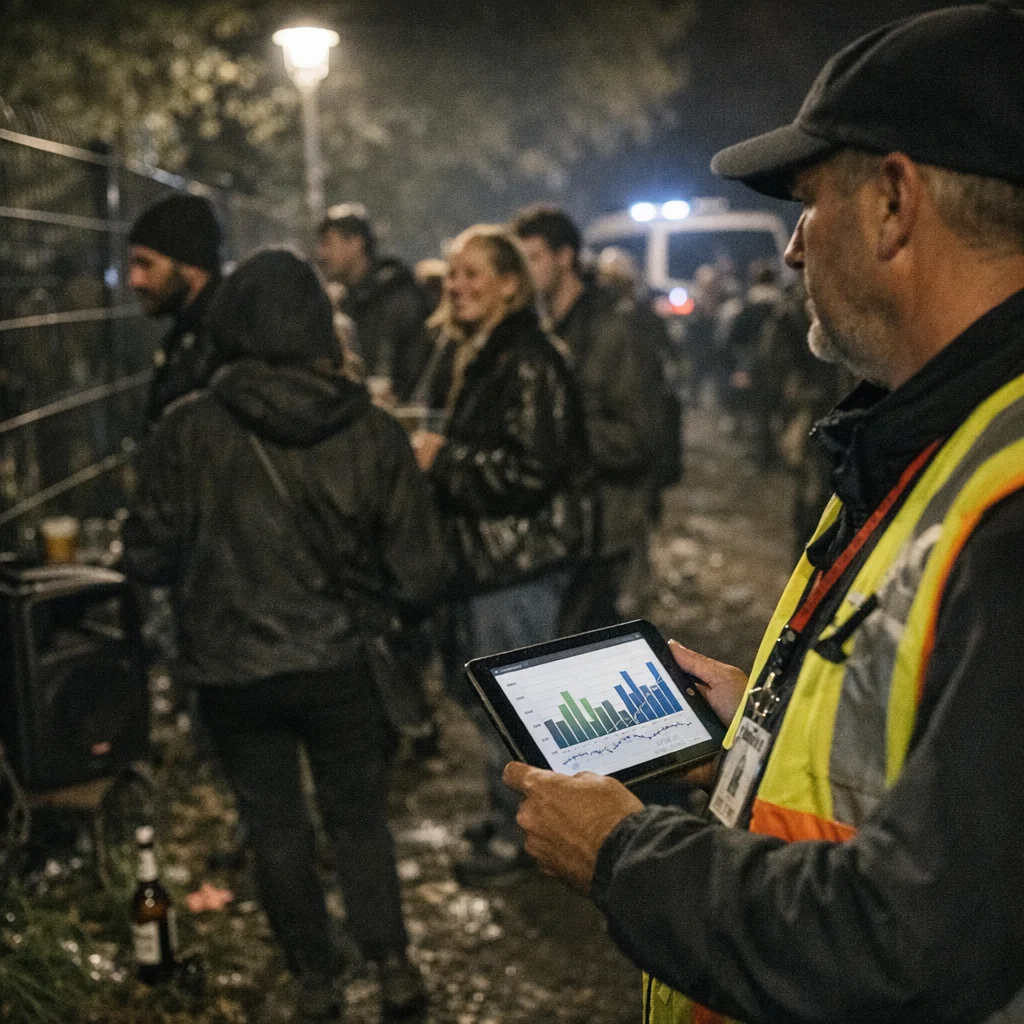
GÖRLITZER PARK—On warm nights, the park has always been a civic petri dish: tourists role-playing poverty, locals speed-running denial, and an economy that only pretends it isn’t one. This week, the city upgraded the chaos with the Mood Meter Tax, a new licensing scheme that treats human emotion as taxable output.
The system is simple in the way all bad ideas are simple: clubs and open-air events now run “mood-trackers” at entrances and near speaker stacks, harvesting facial expressions and body language into a rolling “public sentiment index.” A grin becomes revenue. A frown becomes a line item. A sigh triggers an automatic “wellness surcharge” because your misery requires administrative processing.
Görlitzer Park is the pilot site because Berlin never met a public space it didn’t want to turn into a lab—preferably one where the test subjects pay for the privilege. Around dusk, municipal “Mood Stewards” wandered the paths like overconfident museum guards, politely requesting that groups “stabilize expressions” for the accuracy of the algorithm. Nothing says freedom like being asked to look happier by someone wearing a lanyard.
Even the park’s informal diplomats adapted. Dealers—long the city’s most consistent customer service representatives—began offering “compliance bundles”: two items, one compliment, and a reminder to keep your eyebrows neutral during high-volume moments. One veteran negotiator explained the new etiquette: “If your face drops, the whole area gets re-rated and everyone pays. Don’t ruin the margins.” A city that can’t staff classrooms has apparently found the personnel to audit cheekbones.
By midnight, the Mood Meter had started to curate reality. A DJ at a nearby sanctioned event was instructed to “avoid melancholic arcs” because the index dipped during a track with too much emotional foreplay. The bass didn’t build; it submitted quarterly guidance. A couple attempting a tender moment near the fence was asked to relocate because “intimacy clusters” were correlating with lower spending. Berlin finally found a way to make even affection feel like a backdoor arrangement.
Philosophers will recognize the setup: Bentham’s panopticon, but with better lighting and worse music. Foucault warned us about discipline; Görlitzer Park simply added a payment terminal.
Officials insist it’s about “public order.” It is. Specifically: ordering the public into profitable expressions, then charging them for having a face at all.