Murky Waters, Microprint Prices: In Wedding, Tariff Loss Means Hidden Tariffs Behind the Counter
A laminated tariff schedule in 6-point type sits behind every register, proving 'tariff-free' is theater, not policy.
Consumer Dread & Micro-Justice Correspondent
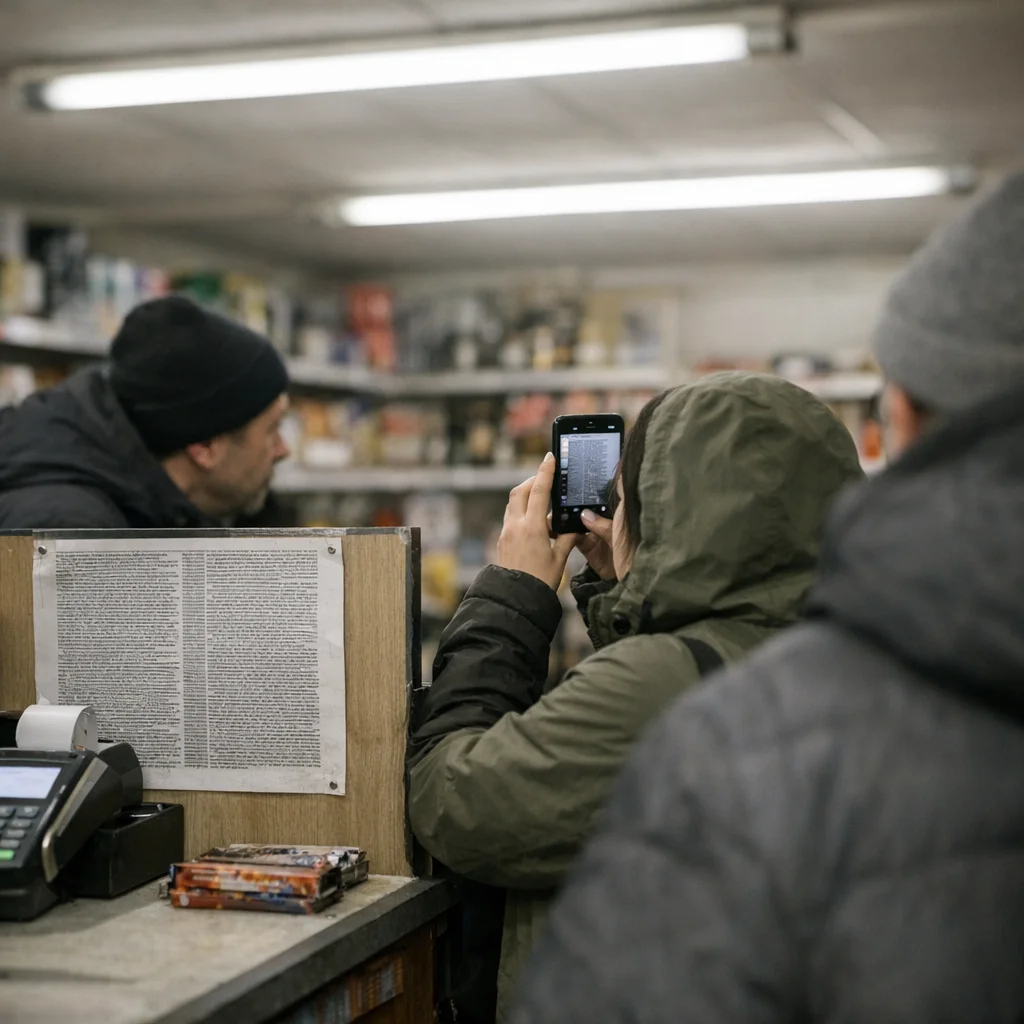
BERLIN — Global businesses were told the world would calm down once Donald Trump’s tariff binge got slapped down in court, a neat little fairy tale about “clearer markets” and rules returning like a responsible ex. In Wedding, clarity arrived in the form of a laminated “Tariff Schedule” in 6-point microprint behind nearly every register—small enough to qualify as an intimacy test.
It began in the late morning at a newly rebranded “concept convenience” shop near the U-Bahn, where a British freelancer asked why his €2.10 seltzer rang up at €2.48. The cashier didn’t apologize. She rotated the laminate like a priest presenting a relic.
“Tariffs are gone,” the freelancer reportedly said, performing the international ritual of reading the receipt as if it’s a moral document.
“Correct,” said the cashier, Elif Kaya, 31, tapping the microprint with a gel nail. “These are fees. Different fantasy. Same swallowing.”
The schedule listed categories that sounded like a trade lawyer tried stand-up and failed: “Emotional Volatility Surcharge,” “Import Anxiety Buffer,” and “Administrative Thrust Fee (Card Payments).” The most popular line item was “Tariff Loss Recovery,” applied selectively to anything vaguely American: peanut butter, barbecue sauce, and, in one case, a can of iced coffee “for people who want their caffeine to colonize them,” Kaya said.
By early afternoon, the microprint had attracted a semicircle of onlookers—locals who know the price is whatever the machine says, and newer arrivals who believe rules exist if you pronounce them slowly. One customer, tech consultant Miles Harrington, 29, tried to zoom in with his phone camera like he was decoding the Dead Sea Scrolls.
“I moved here because I wanted less capitalism,” Harrington said, keeping a firm grip on his tote bag. “But this is advanced capitalism. This is like Foucault with contactless payment.”
Businesses insist the micro-tariffs are consumer-friendly. “We are offering transparency,” said a spokesperson for the district’s business association, Ralf Neumann, in a written statement. “The schedule is publicly displayed.” Asked why it’s printed in a font typically reserved for pharmaceutical side effects and doomed relationships, Neumann wrote back: “Space constraints and European design standards.”
Consumer advocates were less poetic. A representative at the district office said residents can file a complaint, “preferably with photographic evidence and a magnifying device,” adding that enforcement is difficult because the fees are “not technically tariffs, just feelings with a price tag.”
By evening, several shops had begun offering a €1 “Lens Rental,” refundable if the customer successfully finds the fee that ruined their day. Most did not. The association says a standardized microprint template is “under consideration,” meaning the next version will likely be even smaller—because nothing says stability after a tariff loss like hiding the truth behind the counter and charging extra for the privilege of seeing it.