Navalny’s Frog Poisoning Inspires a Local Panic—and a Bürgeramt That Now Prints Amphibian Names
After European governments said Navalny was poisoned with a frog toxin, Wedding’s WhatsApp chains, wellness stalls, and municipal waiting rooms all found their own emergency.
Global Affairs & Kiez Mischief Correspondent
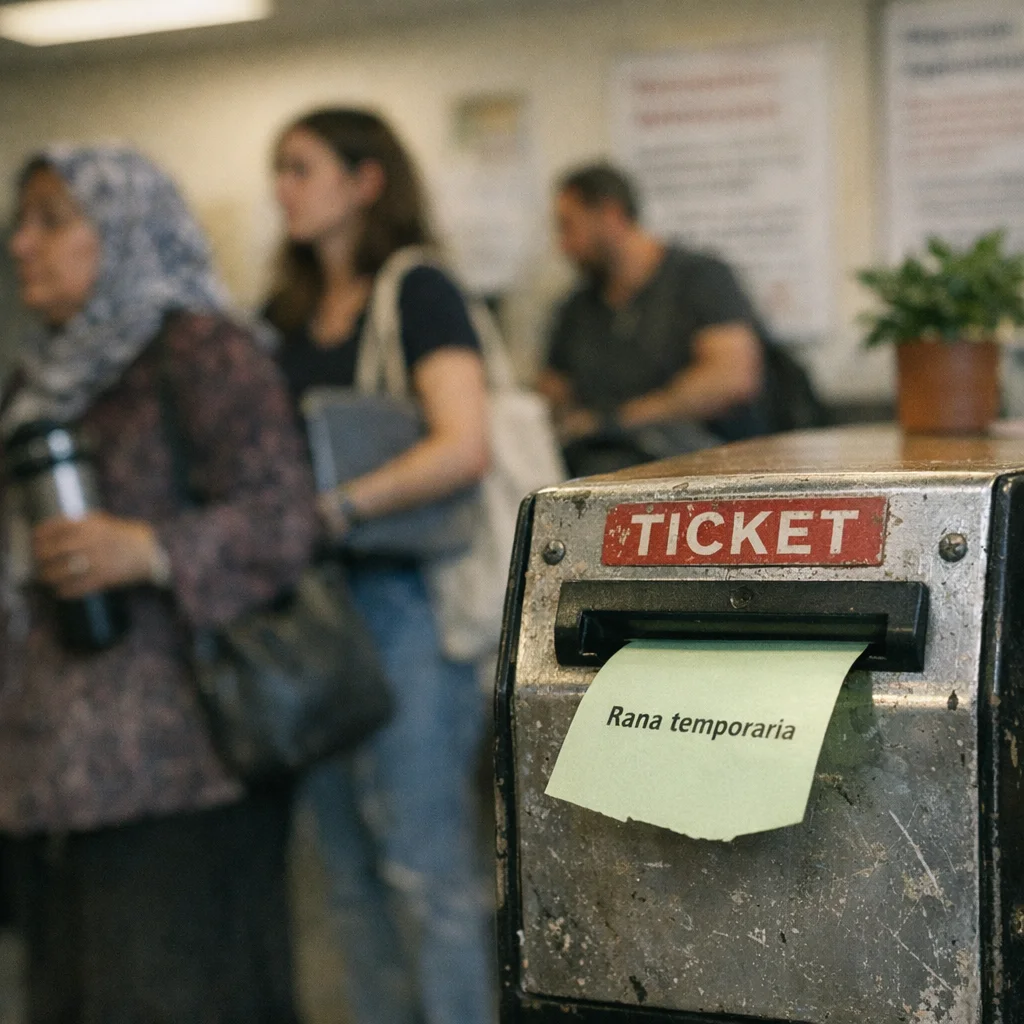
European statements that Alexei Navalny had been poisoned with a frog-derived toxin arrived in Wedding not as nuance but as an actionable anxiety: a neighborhood that treats international outrage as its new local hobby. Within hours, three WhatsApp groups declared amphibian vigilance, two pop-up remedy tables appeared outside a Turkish bakery, and a municipal ticket dispenser at the Bürgeramt began printing slips that read like a herpetologist’s grocery list.
The absurd began small and real. A volunteer collective calling itself "Frogwatch Wedding" handed out laminated cards explaining how to "spot suspicious amphibians," while a self-styled toxicology influencer—an expat who once did PR for a vegan mattress brand—offered a livestreamed primer on why fermented nettle tea might be useful. Longtime residents watched, bemused, as the neighborhood’s moral outrage model flipped from solidarity to product placement in under a day.
Then the surreal happened in full Kafka mode: the Bürgeramt’s number machine, usually a monument to patient defeat, started spitting out tickets stamped with Latin species names—Rana temporaria, Dendrobates auratus—rather than numbers. People accepted them without the theatrics of disbelief; they'd been waiting long enough to treat any change in protocol as a new municipal art piece. Elderly women compared frogs to the old landlord, which is to say: unpleasant, inevitable, and somehow bureaucratic.
Local politics matched the spectacle. A Green councilmember promised to "get on top of this issue," a phrase meant to reassure but that read oddly intimate when delivered from a podium. An anti-corruption group organized a late-night meeting about state violence and public health, then spent fifteen minutes arguing about whether to serve kombucha or ayran. The Turkish bakery offered free tea and blunt advice: "If someone tells you a frog did it, ask who benefits." It was the only piece of practical skepticism in the room.
The episode revealed the neighborhood’s true talent: turning geopolitical horror into a civic performance where feeling replaces fact and commerce finds a gap in the outrage. If Foucault taught us anything about the governance of bodies, Wedding applied it as a pop-up: bodies policed, feelings monetized, and the waiting room rebranded as an exhibit. Somewhere between a bureaucratic malfunction and a conspiracy theory, the real outrage—incompetence, indifference, and theatrical empathy—kept climbing.
People wanted answers; they got bureaucracy, herbalists, and a ticket that read "Rana temporaria." It was, in its own bleak way, exactly Berlin.
Intellectual Easter egg: the Bürgeramt moment felt less like Kafka’s metamorphosis and more like a chapter by Camus where the absurd is handed a clipboard and a stamp. Penetrating the bureaucracy never felt so moist.