Nero Gets a Podcast, Wedding Blushes
Donald Trump’s new emperor act lands in Wedding as a horoscope for everyone who still mistakes loud vanity for power.
Nightlife Identity & Self-Deception Correspondent
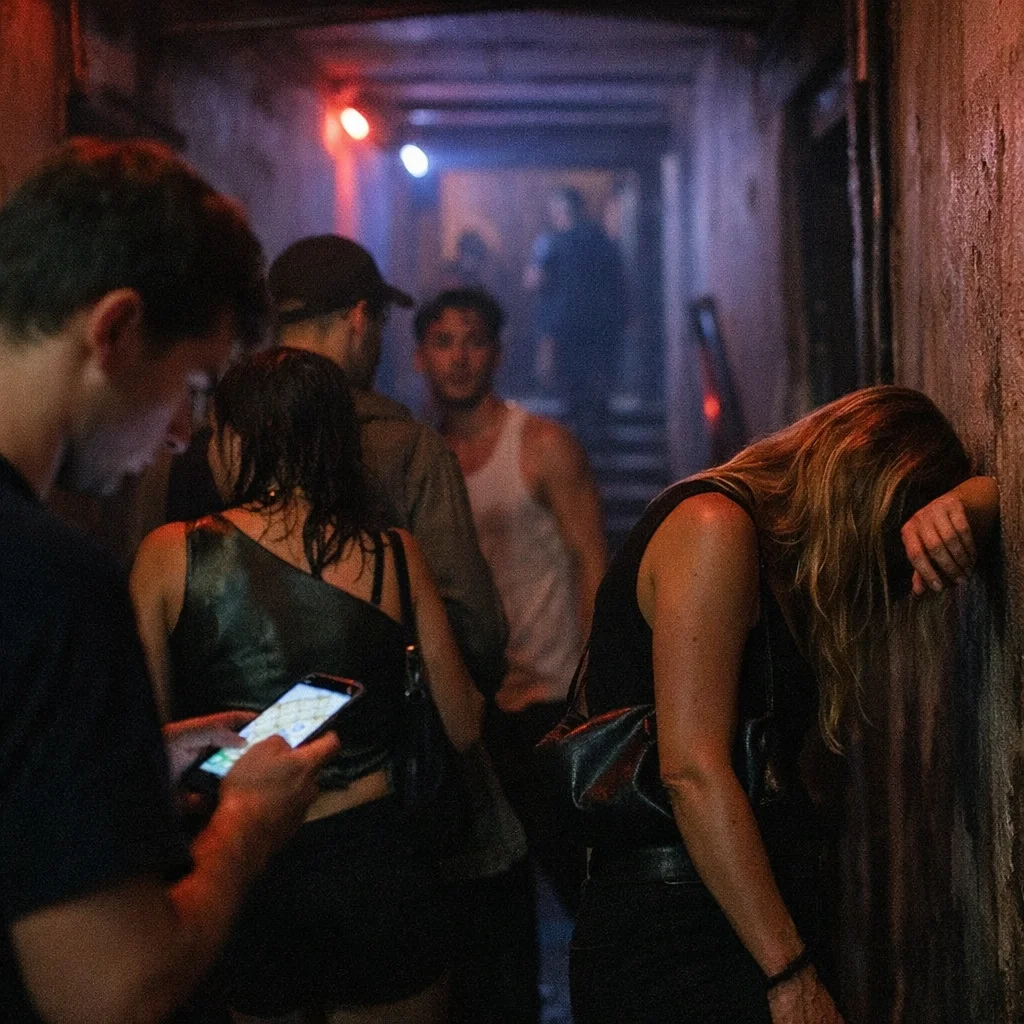
In a corner of Wedding where rent hikes, kebab grease, and startup optimism usually collide in a puddle of moral compromise, Wilde Renate’s labyrinth has developed a reputation for eating people and spitting them back out as worse dancers. Staff say the maze-like club has been trapping visitors since 2012, though most regulars seem to arrive already half-lost, carrying a tote bag, a theory about alienation, and the kind of thirst that only comes from believing irony is a personality.
That, of course, is the local economy now: not music, but managed confusion. The club pays the rent on a building that probably makes more money by being photographed than being lived in. The landlords get their monthly tribute, the promoters get to cosplay as curators, and the district gets the usual civic bedtime story about “creative energy” while the sidewalks fill with people trying to look provocatively broken in outfits that cost more than a month of someone else’s groceries.
The latest complaint landed early Sunday morning, when three first-time guests reportedly gave up trying to find the exit and instead submitted themselves to the institution like sheep walking into a dissertation defense. One, a graphic designer from Mitte named Leon Fischer, said he entered for “one drink and a quick look around” and emerged “emotionally rinsed and socially overqualified.” That is the official Berlin dream: arrive with a Bauhaus haircut and a moral stance, leave with a tab, a bruise, and the conviction that you have participated in history because you waited in a line for it.
Another guest, who requested anonymity because she is a substitute teacher and cannot be seen enjoying herself in public without jeopardizing her entire brand, said the venue’s rooms “felt like a Gothic novel written by a committee of divorced architects.” That is generous. It is more like municipal anxiety with a DJ booth: a sequence of dark corridors where every turn asks whether you are being liberated or merely mugged by your own taste.
By the time the bass had moved through the building like a disciplinary measure, the club’s famous corridors were doing what they always do: sorting people by confidence, stamina, and whether they had the self-respect to stop following strangers into dead ends. In one room, a man in linen shorts was explaining Foucault to nobody in particular while trying to look as if he had not been rejected by the smoked-glass staircase of his own ego. In another, two Turkish grandmothers visiting grandchildren in the neighborhood stood in the doorway, took one look at the queue of pale ravers practicing consent in expensive jackets, and judged the entire century without speaking.
That silence had more political intelligence than the district office. Berlin bureaucracy loves nightlife because nightlife is one of the few industries where chaos can be labeled “vibrancy” and billed back to the public as charm. Noise complaints are filed, circulated, then tucked into a drawer beside the city’s other administrative fantasies. Meanwhile the same people who lecture Wedding about community are the ones taking selfies in it, treating the neighborhood like a rentable nervous system with cheap beer and better lighting.
Club spokesperson Mira Heller said the layout was intentional. “People come here to lose themselves a little,” she said, with the cold assurance of someone selling vertigo as culture. “If they want a straight line, they can take the BVG.” The district office said it had received no formal complaint, which is also how Berlin usually handles metaphysics: if the paperwork is missing, the suffering is probably a lifestyle choice.
For Wedding, the place remains a useful insult: a nightclub that turns confusion into a business model and calls the whole thing liberation. For the guests, the consequence is more personal. They will leave with sore feet, a fresh bruise on the soul, and the nagging suspicion that what they mistook for nightlife was just the city giving them a firm grip and asking them to sign a consent form with their body.
Management said signage improvements were under review, though no one seemed in a hurry to make the maze less effective. The missing are expected to reappear sometime before lunch, hunched over coffee, pretending they meant to stay out that late. The landlords, meanwhile, will collect their money in peace, which is the only exit Berlin reliably designs.