Neukölln Trust-Fund Artists Demand Rent Freeze on Their Feelings
Local creatives say the real housing crisis is having to hear their parents ask, “So when are you going to do something normal?”.
By Greta Kultur
Cultural Commentary Maven
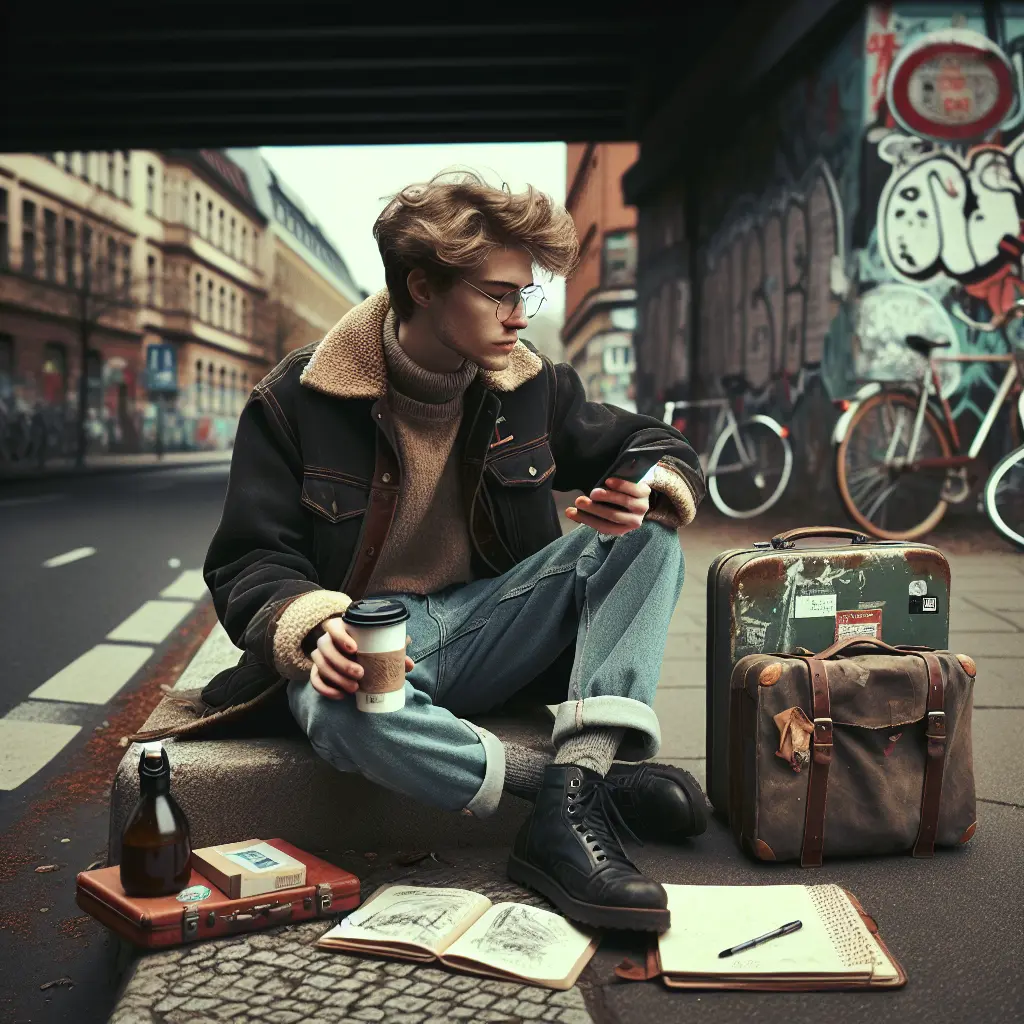
NEUKÖLLN — The Only Place You Can Be Poor in a €900 Vintage Jacket
Neukölln’s latest cultural export isn’t art, music, or a new kind of sourdough that tastes like regret. It’s the trust-fund kid who has discovered poverty the way toddlers discover gravity: repeatedly, loudly, and with absolutely no consequences.
According to several local “multi-disciplinary” artists (meaning they are bad at more than one thing), Neukölln is facing a dire emergency: their aesthetic hardship is becoming financially inconvenient.
They came to Berlin to “live simply,” which in practice means:
- paying rent late on purpose for character development
- crying in public to prove they’re serious
- calling their parents “toxic” while using their credit card for groceries
The New Currency: Trauma You Can Monetize
In Neukölln, you’re not considered a real artist unless your life story sounds like a documentary narrated by someone whispering over slow piano music.
One resident, who asked to be identified only as “Luca (they/them),” explained the problem while standing outside a café that charges €6 for coffee and €14 for moral superiority.
“I moved here to escape capitalism,” Luca said, adjusting a hand-stitched scarf purchased during a “healing trip” to Portugal. “But capitalism followed me, like my family money.”
Luca’s upcoming exhibition, Inheritance (But Make It Sad), explores the emotional burden of receiving passive income while still finding time to feel oppressed by the existence of landlords.
The Great Neukölln Poor-Off
Residents report a rising number of “authenticity incidents,” including:
- People describing their apartment as “tiny” when it contains an extra room solely for plants with anxiety.
- Artists who “can’t afford” groceries but can afford tattoos of expired fruit.
- “Community fridges” stocked with oat milk and performance art.
Meanwhile, longtime locals watch this with the dead-eyed patience of people who have seen three different waves of newcomers “discover” the neighborhood, each one acting like they invented living near a kebab shop.
DIY, But With a Safety Net the Size of Brandenburg
The trust-fund artist aesthetic has evolved. It’s no longer enough to be broke. You must be broke as a concept.
These residents don’t want money. They want the vibe of not having money, without the inconvenience of actually not having money.
They call it “mutual aid” when a friend Venmos them €200 for rent after a difficult week of “processing.”
They call it “radical” when they shoplift a candle.
They call it “community” when their parents wire them an emergency fund so they can keep “focusing on the work.”
Landlords Accused of Gentrifying the Vibes
In a statement released via a group chat titled “Rent Strike (But Like, Gently),” several Neukölln creatives condemned landlords for “commodifying struggle.”
One flyer—printed on recycled paper, because obviously—outlined their demands:
- Rent caps for all apartments occupied by “emerging artists” (defined as anyone with a tote bag and unresolved feelings).
- A subsidy for studio space in “pre-gentrification vibes zones.”
- A public apology from the concept of adulthood.
The flyer also asked supporters to donate to their legal fund, which is very brave considering most of them already have a “legal fund” called Mom.
Local Officials Respond With Their Traditional Tool: Doing Nothing
City officials said they are “monitoring the situation,” a phrase that translates to: “We hope everyone gets tired and goes to brunch.”
A spokesperson clarified that the city cannot legally create a special rent category for “people who are spiritually poor but financially complicated.”
Asked whether Neukölln’s trust-fund artist crisis might resolve itself, one housing advocate shrugged. “Eventually they’ll move to another neighborhood and call it ‘raw.’ That’s the ecosystem. Like birds migrating, except the birds have podcasts and childhood equestrian injuries.”
What Happens Next
Experts predict the trend will continue until the next cultural frontier is discovered—possibly a place with cheaper rent, fewer consequences, and more opportunities to describe ordinary life as “a practice.”
Until then, Neukölln remains the world’s leading laboratory for artisanal suffering: a place where people cosplay scarcity, curate their despair, and still somehow manage to complain about capitalism while paying for therapy in cash.
And if you listen carefully at night, you can hear the distant sound of someone whispering into their phone: “No, Dad, it’s not about the money. It’s about the art. Also, can you send me €300? Urgently. For rent. For my mental health. For the revolution.”