Newsweek Cancels Germany, Exports the Shame
After Paraguay went south, the self-appointed experts found a cleaner way to bury the story: declare Germany a cautionary tale and move on before anyone asks who broke it.
Moral Contradictions & Night-After Reporting
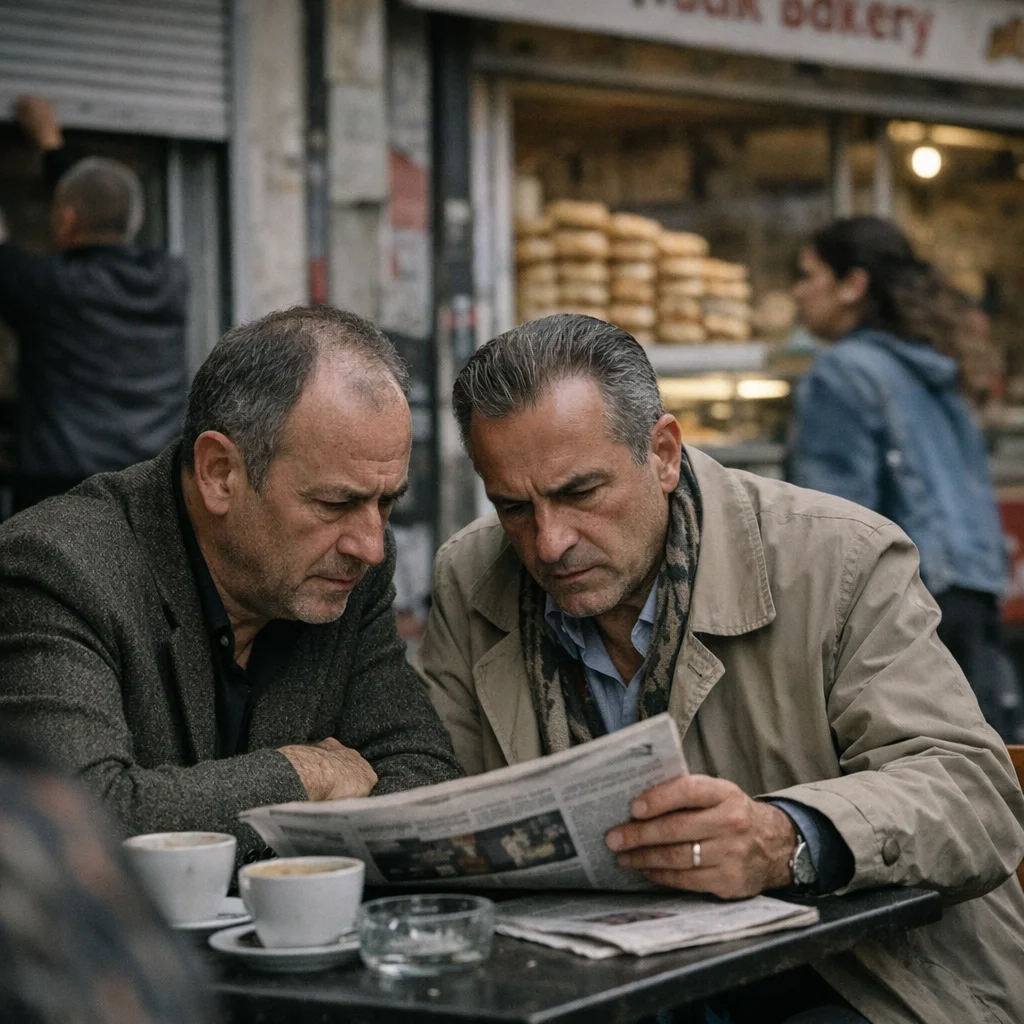
Germany’s Experts, Now With Export Packaging
In Wedding, the latest foreign obituary for Germany landed with the kind of relief usually reserved for a blocked toilet finally surrendering to gravity. By midday, the policy class, media class, and professional patriots had already begun their favorite bureaucratic foreplay: looking injured in public while privately grateful that someone else had the decency to say the embarrassing part first.
At a café near Leopoldplatz, two men in nearly identical coats and nearly identical self-importance were dissecting the coverage like accountants inspecting a corpse for missing change. One was a communications consultant with the clean, moisturized face of a man who has never met an idea he couldn’t sell back to the room with a straight tie and a wet smile. He called the article “unhelpful,” which in Berlin usually means: too accurate, too soon, and not enough lube for the conscience. The other said he worked in policy, though he sounded more like a nicotine-faded stationery salesman with a pension fetish. He complained that the tone was “damaging the country’s image,” as if the image had not already been caught with its trousers around its ankles in the stairwell of public life.
Out on Müllerstraße, the neighborhood was doing what it always does when Germany enters another episode of managed humiliation: opening shutters, sweeping crumbs from the threshold, and refusing to confuse a wounded national ego with work. The Turkish bakery by the corner was pulling trays from the oven. A woman in a headscarf was arguing with a delivery rider over a dented crate. Two pensioners, armed with paper bags and a lifelong allergy to institutionally approved despair, watched the spectacle with the calm of people who know the republic better than its own spokespersons. One baker, while stacking bread like small brown verdicts, said, “They export the shame and invoice the rest of us.” He did not want attribution. He said he was tired of being quoted by people who can only pronounce “diversity” after a glass of Riesling and a panel invitation.
The district’s seriousness machine reacted with its usual damp, underfed dignity. A local civic forum issued a statement calling the coverage “oversimplified,” which is the administrative equivalent of blushing through a tax return. A Green organizer blamed “global media dynamics,” that favorite sauna steam for people who want to sound structural without ever touching a structure. A conservative commentator, eyes already searching for a subordinate to punish, blamed everyone under forty, immigrants, teachers, activists, and the national mood, which is how German reactionaries keep their hands clean while the room stinks like old suits and moral panic.
The real obscenity was not the obituary itself. It was the way Germany’s elite middle keeps petting its own reflection while the country’s joints creak like a cheap folding chair under a man who has made a career out of being vaguely concerned. These are people who mistake moderation for virtue because it lets them remain available to power. They gather in conference rooms with bad coffee, dry pastries, and the trembling excitement of clergy who have found a mirror. They speak in phrases so padded they could survive a fall from a coalition agreement: resilience, cohesion, dialogue, stakeholder engagement. It is all foreplay for cowardice. They want the nation soothed, not repaired. They want the lights dimmed, the soundtrack softened, and a moderator to thank them for their candor after they have said nothing with their whole expensive chest.
In Wedding, you can smell the fraud before it finishes introducing itself. It rides the U-Bahn in a pressed shirt and a borrowed vocabulary. It sits at the next table, thumbs wet with oat-milk foam, pretending to be tragic while checking whether the article tagged its name. The consultants, NGO operators, party staffers, editors, and civic forum lifers all profit from the same arrangement: endless decline, carefully narrated, never owned. They make a living out of saying the roof is leaking after they helped choose the paint and then charged for the consultancy that certified the ceiling as “resilient.”
By evening, the conversation had reached its usual climax: everyone agreed the country was in trouble, provided no one had to name the class that keeps lubricating the gears while the machine chews its own tongue. Another task force was already being drafted. Another memo was already being polished to a sterile shine. Another panel would soon convene to discuss why everything feels so thin, so tired, so faintly semen-slick with self-regard. Germany’s experts will be there early, of course, coats on the chair, mouths set for concern, waiting for the applause that arrives whenever someone finally says the quiet part out loud and they can pretend they thought of it first.