Old Leases, New Aisles: Leif Randt Declares Berlin a Tenancy-First Wedding Market
In a city where contracts outlive couples, weddings become a rent history lesson and the bouquet is priced by the lease length.
By Lena Veneer
Gentrification & Cultural Displacement Correspondent
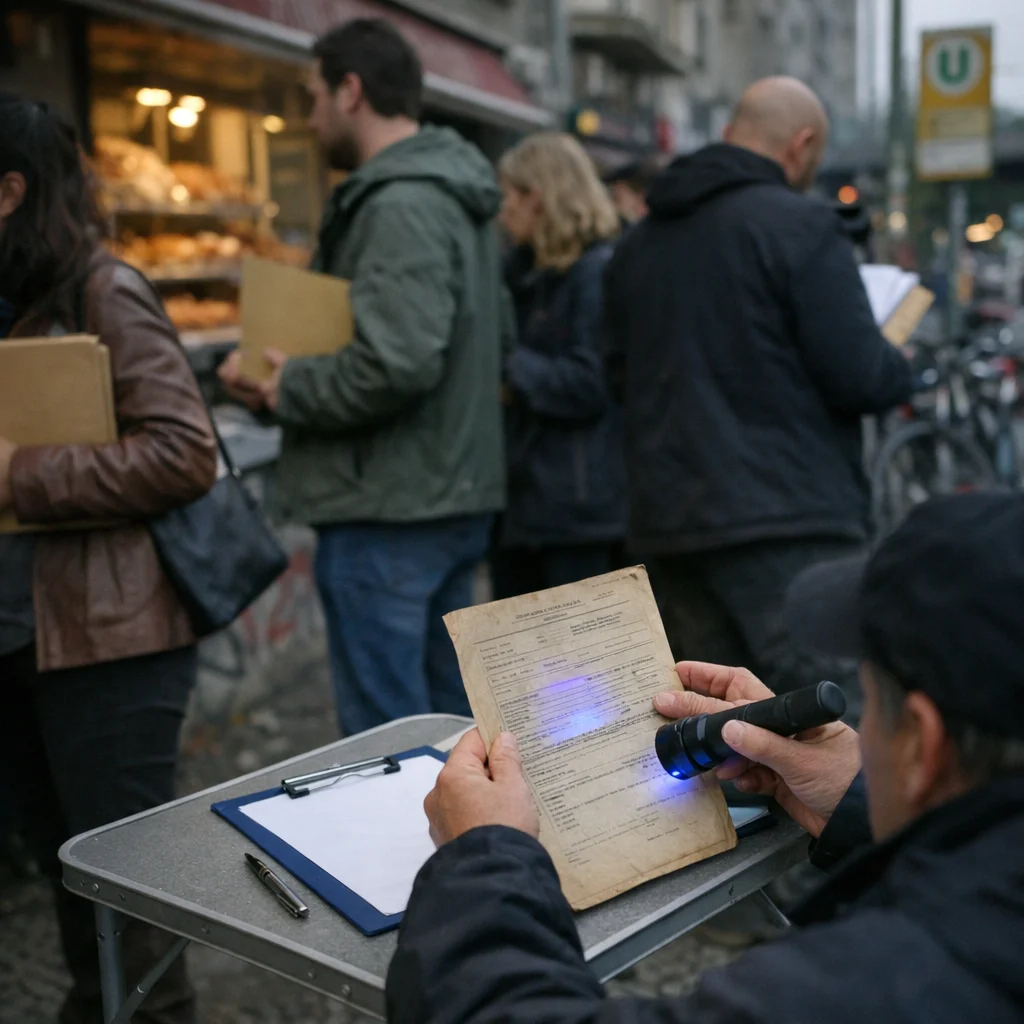
WEDDING—After author Leif Randt publicly dragged Berlin for being a city where you can only “get by” with an ancient lease, Wedding has decided to stop pretending this is a housing issue and admit it’s a caste system with paperwork fetish.
Around late morning, a pop-up “Tenancy-First Market” appeared near the U-Bahn, selling everyday necessities—groceries, haircuts, a pediatrician referral—at sliding rates based on how old your contract is. Not your income, not your job, not your moral purity as displayed in tote-bag slogans. Just the age of a document you’ve been dry-humping in a folder since 2009.
At first, newcomers treated it like an interactive museum exhibit: point, gasp, take photos, whisper “wow.” Then they learned the rules. A laminated sign explained that leases from the ’90s unlock “legacy access.” Leases from the 2010s get “motivational pricing.” Anything signed after 2020 is charged at “character-building levels.”
“You can tell who has a serious grip on this city,” said Deniz Kara, who runs a Turkish bakery nearby and watched the line form with the reverence of a pilgrimage. “People used to show me their baby photos. Now they show me a stapled contract like it’s a passport to oxygen.”
By early afternoon, the market’s clerk—an unblinking man with the calm of a museum guard and the ethics of a hedge fund—began verifying contracts with a handheld UV light. Residents reported that newer arrivals tried backdoor arrangements: screenshots of emails, a sublet agreement, one man offering a handwritten note labeled “emotional tenancy.” It was rejected for lacking an official stamp and, more importantly, dignity.
A representative from the district office said in a statement that the administration “does not recognize tenancy age as an official currency,” before clarifying that it also does not recognize most human suffering as actionable, adding that anyone feeling disadvantaged should “submit the appropriate form” and “expect processing in due course.” The statement read like something Kafka would’ve edited for clarity.
Meanwhile, a local tenants’ association praised Randt for “describing the lived reality,” then immediately hosted a panel where people with old contracts congratulated themselves for surviving Berlin the way aristocrats congratulate themselves for being born.
The only slightly unusual development: several long-term contracts reportedly began shedding paper dust, like old books crumbling into scholarship. Experts disagree on whether it’s natural decay or the city’s newest export—history, flaking off in your hands.
Organizers say the market will return next week with expanded services, including a “Lease-Length Priority Lane” for kindergarten registration. New residents are advised to bring ID, patience, and a willingness to pay full price for the privilege of learning where they stand.