One Match, One Night: How a Two‑Euro Matchbox Runs Wedding’s 'No‑Guestlist' Door
Clubs sell the myth that the queue is a meritocracy of vibes — the tiny, color‑tipped match folded under the bouncer’s thumb tells a different story.
Door Policy & Outfit Failure Correspondent
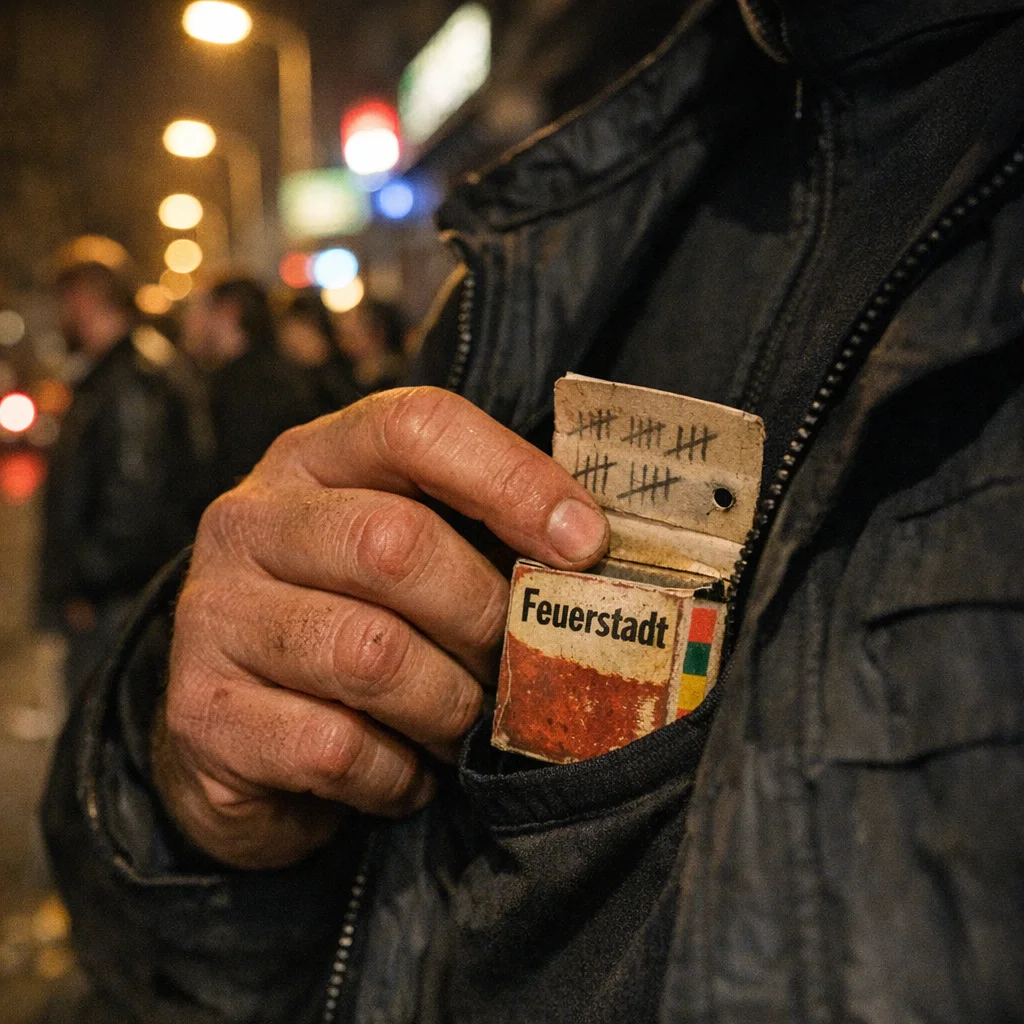
Who: a cluster of clubs on Müllerstraße and a handful of bouncers. What: a ritualized matchbox that decides who gets in. Where: Wedding, at the door of venues that loudly market their queues as meritocratic tests of "feeling the room." Around midnight, the story you hear is that entry is earned; the thing you should watch is a two‑euro Feuerstadt matchbox folded in the palm of the doorman.
It started as a joke three summers ago, when a hungover reveler treated a three‑day bender like a job interview and, by sheer persistence, kept showing up until staff stopped asking for proof of identity. Now the matchbox runs the roster. Bouncers slide it from their jacket like a priest with rosary beads: colored striker labels on the side indicate which promoter or pocket pays a preferential fee, a thumb‑smear tally across the inner flap records repeat admissions, and a tiny perforation near the striker is torn off when someone is owed a re‑entry or a friendly favor.
"You want to know who gets in? Look at the colors," said Hasan Kaya, a doorman who’s worked three clubs in Wedding for eight years. He counted off: red for tables and influencers, green for regulars who pay tabs, blue for local DJs, a blank striker for new faces who might be nice. "If you’re the person who once did a three‑day run and never left, your flap fills up. We know you. You become easier to slide in."
Chronology matters: what began as ad‑hoc hospitality for someone the staff found amusing hardened into a ledger. Promoters negotiated striker palettes with door teams; the matchbox turned into a low‑tech CRM of loyalty and indebtedness. Instead of spontaneous merit, the tiny labels and perforations now regulate access — an analog algorithm with pocket change as its funding.
Club spokesperson Sophie Klein insisted the queues are still about the room. "We choose people by energy," she said. The district's nightlife coordinator, Jonas Reuter, called the practice "informal" and promised guidance on transparency. Police declined to comment on door policy but confirmed they investigate complaints of gatekeeping when they arise.
The three‑day bender that became an identity is not harmless nostalgia. It reshapes who can be visible in Wedding’s nights: those who can be relied upon to spend, to promote, or to be amusing are folded into the system; those who can't perform the right handshake remain outside. Bourdieu would have loved the economy of status here — habitus, distilled into matchheads.
Immediate consequence: the Bezirksamt will hold a meeting with venue owners next week to discuss a voluntary code of conduct for door teams. For now, if you want to be part of Wedding’s vaunted meritocracy, learn to keep your hands warm and buy a matchbox. The rest of us can keep pretending it was all about vibes.