Ozan Demir Turns Speed Into a Guest List at Sisyphos, Then Learns the Queue Has a Price
In Wedding’s night economy, cash is embarrassing, connections are political, and a tiny bag becomes the most trusted payment system left.
By Lina Paypass
Night Economy & Digital Vice Reporter
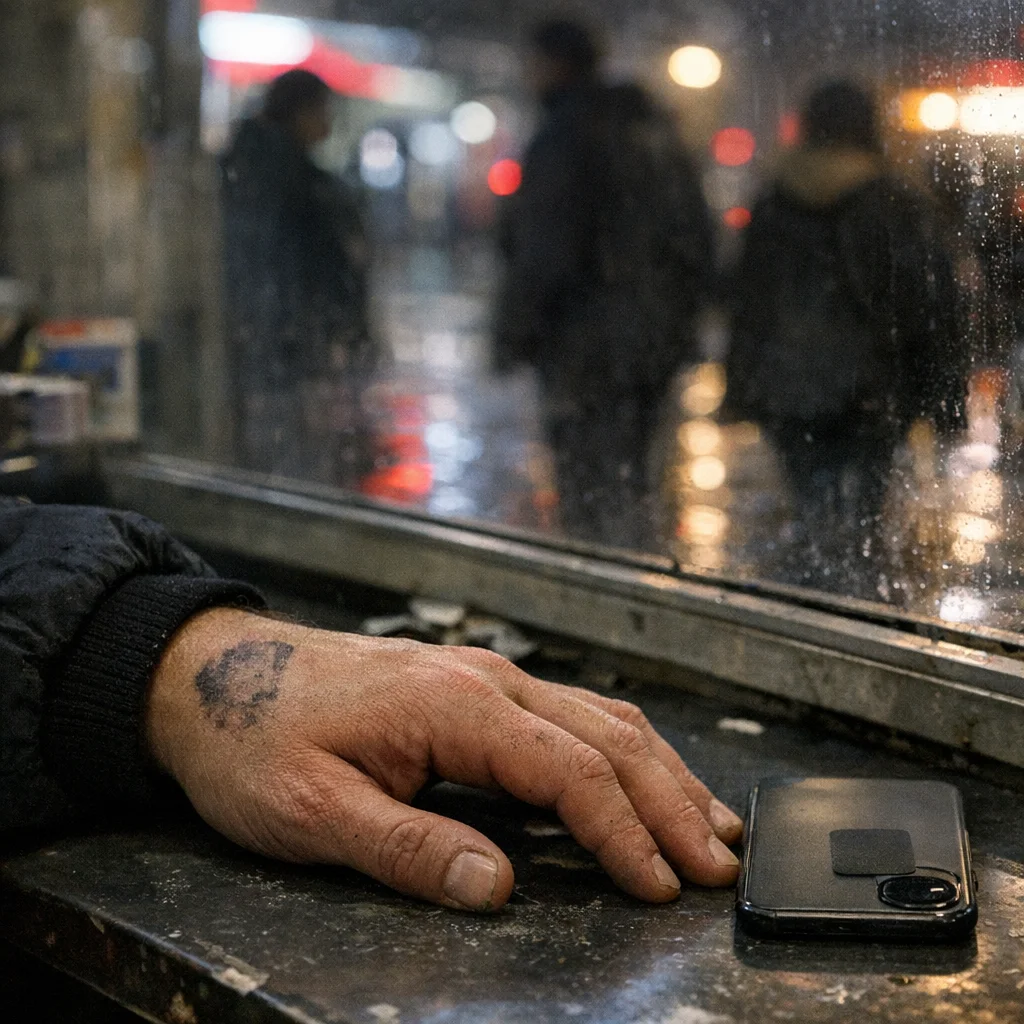
On Friday evening, Ozan Demir, 29, a barback who lives near Wedding’s north end and pretends he’s “just going for one drink,” set out with a simple goal: get into Sisyphos without doing the usual public self-humiliation in a line.
Ozan’s problem wasn’t morality; it was liquidity. His bank card was a museum piece, his cash was an insult, and his social capital had the emotional credit rating of a man who once said “I’m actually fine” and meant it.
The triggering incident came outside the entrance, sometime after midnight, when his friend and occasional philosopher, Nalan Korkmaz, watched him pat his pockets like a tragic clown.
“Everyone’s always ‘anti-capitalist’ until they’re in a queue,” Nalan said. “Then suddenly you want markets. Congratulations, Adam Smith.”
By then, the real exchange rate was already circulating: speed. Not the kind you admit to your therapist—if you still have one—but the kind that turns an hour into a blink and a blink into a plan. Ozan didn’t call it a drug. He called it “an efficiency tool,” which is how Berlin helps you lie to yourself in English.
Later that night, the escalation was immediate and painfully bureaucratic. Ozan approached a familiar face, Deniz “Spreadsheet” Yilmaz, a freelance DJ who treats every interaction like a negotiation exercise. Deniz didn’t ask for money; he asked for “something small to keep the night moving.” Ozan offered his tiny bag like a diplomat sliding a treaty across the table.
For a moment, it worked. Ozan’s status rose. People laughed too hard at his jokes. He talked about Deleuze like he’d actually read him, not just inhaled the Wikipedia summary.
The turning point arrived around morning, when the stamp-checker at re-entry looked at Ozan’s wide-eyed confidence and asked, politely, for a urine test. Not a real test—just a laminated “Wellness & Safety Initiative” card with a QR code that led nowhere. Everyone accepted it anyway, because Berlin will obey any ritual as long as it feels exclusive.
On Saturday afternoon, Ozan woke in Wedding with his phone camera still taped, his wallet untouched, and his reputation suddenly under review in three group chats.
“I thought speed was the unofficial currency,” he said, staring at the tape like it had betrayed him. “Turns out it’s just the interest rate.”