Paid in Fonts: The Secret Typeface Payroll Behind Wedding’s 'DIY' Lineups
Promoters sell the nights as anti‑commercial collectives; the tiny choices of type, punctuation and ink on A5 flyers quietly do the bookkeeping.
By Lina Paypass
Night Economy & Digital Vice Reporter
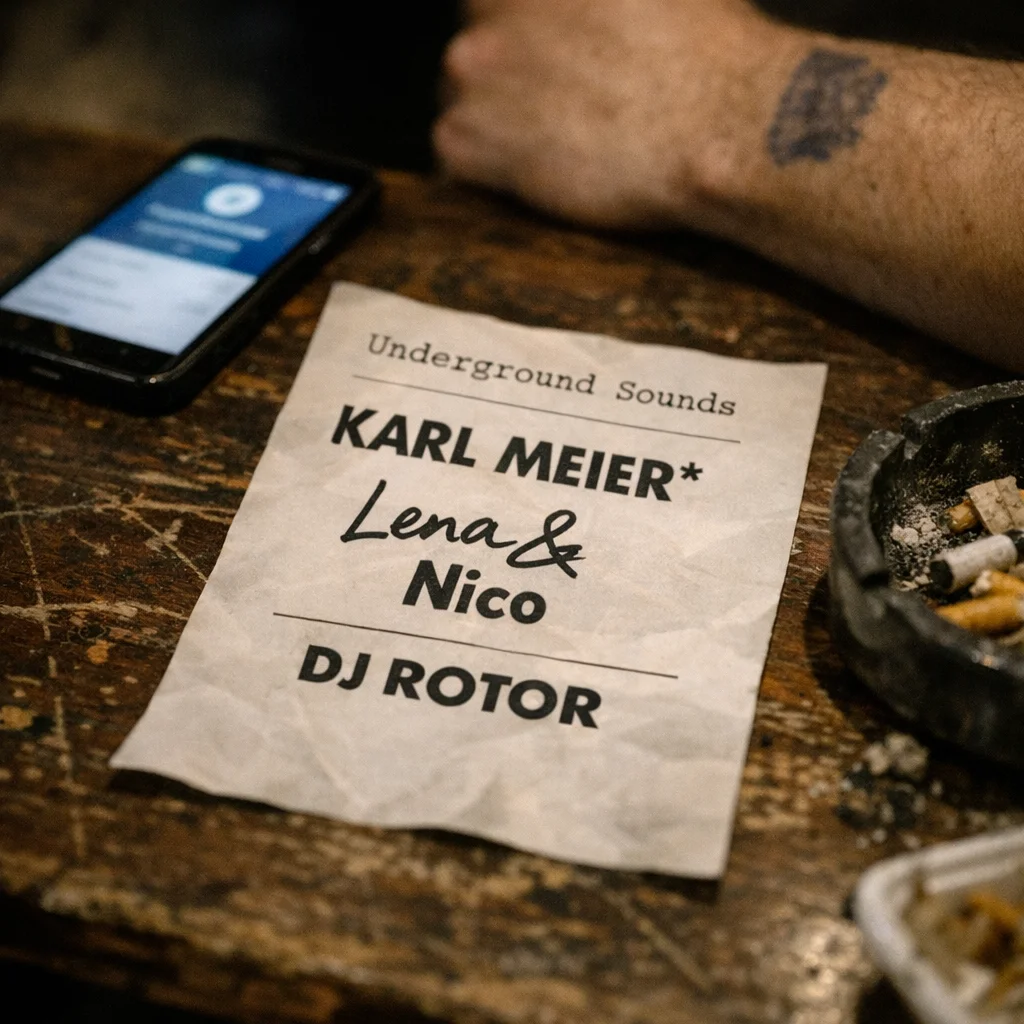
Who pays for Wedding’s DIY myth? Promoters will tell you the decks are stacked by love, solidarity and too much oregano. The real ledger lives in A5: fonts, punctuation and ink gestures that double as a petty-cash system — and, in a new, nastier twist, the same invisible bookkeeping has taught the neighbourhood’s drug economy to accept PayPal.
It started small. A handful of collectives printed flyers with Courier for the 03:00 volunteer slot and Futura for paid names. Regulars learned the grammar: Courier means no pay, bold Futura plus an asterisk meant “€50 + kebab,” and a hurried handwritten ampersand underlines travel reimbursement. The tiny typographic cues replaced emailed PDFs and awkward bank transfers; they were less anarchic manifesto than a compressed payroll.
“People want to feel like they’re unpaid for their principles,” said Lena Kleist, a promoter who books four rooms across Wedding. “But if you flip the flyer you see the truth. We just avoided writing it out loud.”
Dealers noticed. As club doors tightened and cash became both risky and sentimental, sellers began accepting PayPal — not as a sign of respectability but because the crowd was already trained to read signals rather than ask questions. A bold font on a flyer became a tacit invoice; a tiny slash through a name signalled “PayPal.me now.” “Customers don’t want to get into tight spaces with cash,” said Yusuf Kaya, who runs a late-night kebab and also moves product after hours. “We moved to PayPal because it’s clean, fast, and invisible to the random inspector.”
Berlin police say invisibility is the problem. “Digital transfers leave trails,” said police spokeswoman Anna Richter. “We’re tracking a rise in transfers linked to nightlife accounts and will coordinate with payments providers.” Richter declined to say whether transfers map neatly onto typographic codes — which, of course, they do.
The contradiction is small and surgical: a scene that loudly rejects capitalism has outsourced its petty payroll to a language of corporate typefaces, while illicit sellers subscribe to the same convenience that gentrified nightlife depends on. It’s Baudrillard in miniature — signs substituting for substance, the symbol doing the job of the economy. What looks like anti‑brand posturing behaves like any wage ledger.
Next steps are predictable. Clubs will audit doorlists, promoters will pretend to be shocked, and dealers will consider crypto or even subtler fonts. Meanwhile, Wedding’s collective romance will keep stroking egos with A5 manifestos while the little asterisks keep balancing the books in somebody’s PayPal account — a neat, backdoor arrangement that nobody wants to name aloud.