Pay-Per-Memory: Wedding Startup Turns Tenants' Life Stories Into Rentable 'Cultural Assets'
For a monthly fee, residents curate narrated apartment biographies that brands and landlords bid on; once your morning ritual is 'licensed,' your landlord calls it a market upgrade.
By Otto Minimal
Startup Strangeness Correspondent
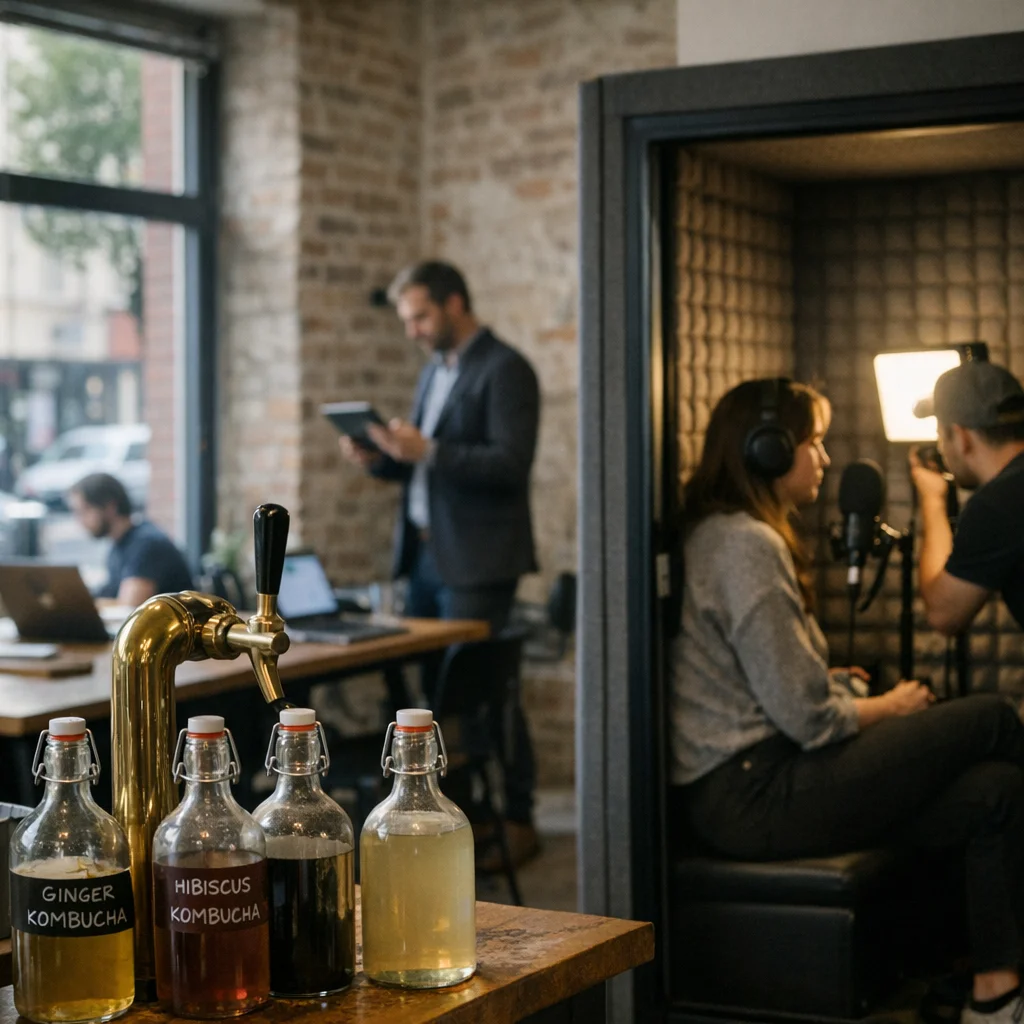
A new startup in Wedding has turned a co-working fetish into a full‑service identity factory: for €500 a month, tenants can rent a hot desk, drink unlimited kombucha from a brass tap, and be trained to sell the emotional life inside their apartments.
First came the desks. Then came the kombucha. Last month Jasper Klein, founder of Workspace & Memory, opened a glass‑front space on a side street off Müllerstraße that advertises “a desk, a narrative, and community.” For an extra €60 per recording session, residents are invited to the Story Studio — a padded booth where staff coach them through 90‑second “authentic moments” (making coffee, adjusting a curtain, remembering a grandmother) that are recorded, tagged, and listed on the platform.
“Brands want texture,” Klein said. “We give them provenance. A tenant’s morning ritual becomes a licensable asset. Landlords call it a market upgrade; tenants call it freelance dignity.”
Klein’s model is simple and ugly: turn lived routines into sellable clips for pop‑ups, guided‑breath apps, and real‑estate valuation reports. A recent bid list obtained by this paper shows offers from a mindfulness app, a deodorant label, and two boutique developers who want “documented authenticity” to justify refurbishing units. “We curate clutter shots, curated clutter shots, and narrated kettledrumming,” Klein said, eyes bright. “It’s storytelling as service.”
Some residents sign up willingly. Selma Yildiz, who has lived above a Turkish bakery for 32 years, took one session for €40. “They told me to talk about breakfast,” she said. “I said, ‘I have been up since five.’ They told me to sound softer.” She then received a message: her landlord had uploaded her clip to a valuation pitch deck.
Not everyone is thrilled. The Wedding District Office confirmed it has received complaints and will “review data‑use practices” next week, spokeswoman Inga Roth said. The Mieterschutzbund warned that consent forms are written in startup English and often bundled with tenancy paperwork; a spokesperson called the scheme “naked commodification of domestic life.” The local Landlord Association, unsurprisingly, praised the platform as “innovative tenant engagement.”
Workshops run by Workspace & Memory also teach residents how to monetize their own histories — editing tips, lighting, and a lesson in self‑branding that borrows heavily from boutique advertising. As Walter Benjamin once argued about flânerie and the city, here the flâneur is asked not to wander but to perform on queue.
Legal action is already being murmured in WhatsApp groups. Klein says contracts are voluntary. Tenants say the pressure is not: when your tower block swaps its Späti for an incubator, you find yourself auditioning to stay. Next week the district office will hold a hearing; meanwhile landlords are quietly adding “documented heritage” line items to renovation plans — and a new invoice to match.