Play Hard, Vote Harder: Midterm Ads Go Full Knees-First
Campaigns are selling sex, video games, and fake family tenderness as proof of toughness, while consultants test which kind of embarrassment makes voters click and forgive.
By Arda Kismet
Kiez Mischief & Access Economy Correspondent
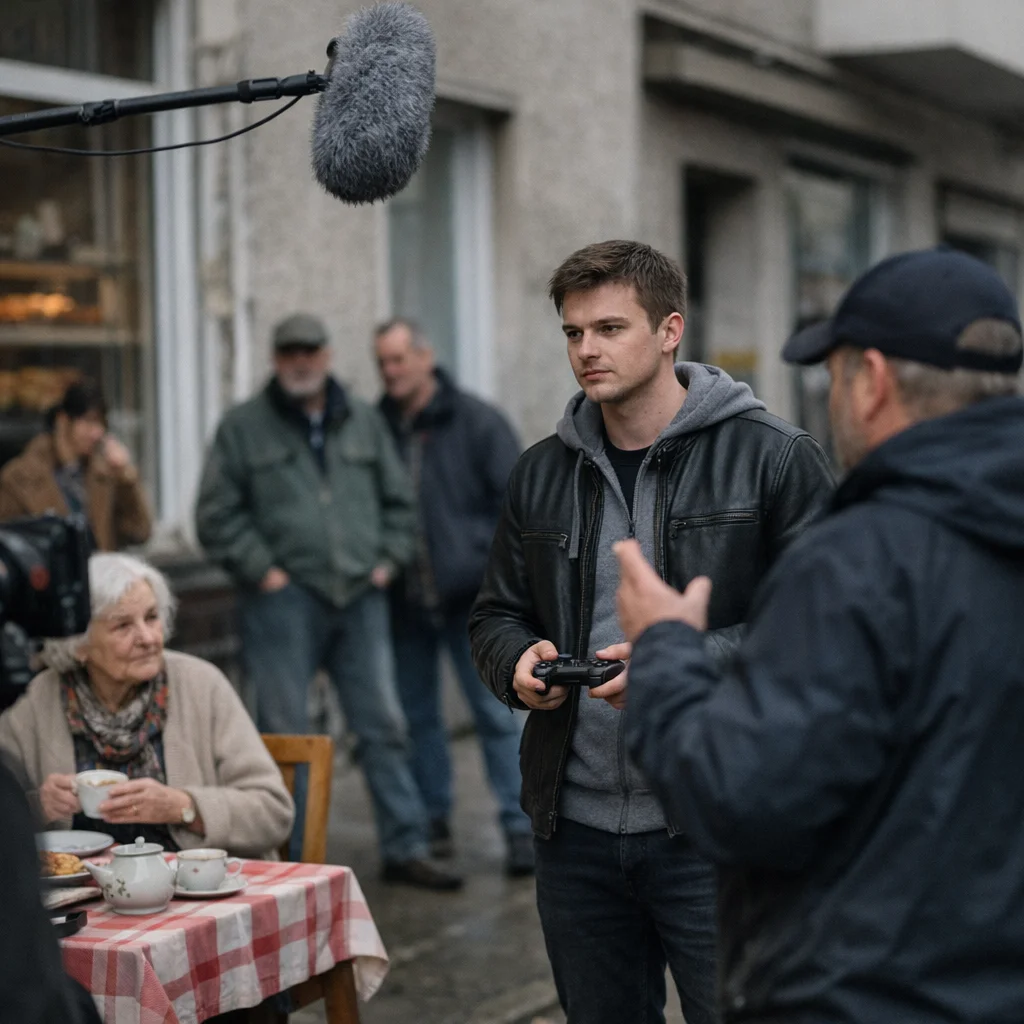
Campaign consultants in the United States have discovered what Berlin long ago turned into a cheap civic vice: if you cannot win people over, you at least make them flush, flinch, and confuse shame for intimacy. The 2026 midterm ad season has gone full knees-first, with candidates posing like they are about to take a private lesson in dominance while promising, in the same breath, to be safe enough for the Sunday table. In Wedding, where the S-Bahn spits out commuters, delivery riders, and people who have already seen six varieties of public self-lubrication before noon, the ads land like a man trying to look powerful while kneeling on a beer crate and asking to be chosen.
On Müllerstraße, Kemal Yildiz, who runs a bakery between a phone repair shop and a discount optician, said the spots feel less like persuasion than a failed seduction performed by a focus group. “They want to look like they can beat up the state, text your mother, and still cry during a school fundraiser,” he said, sliding trays of sesame bread toward the window while a production van idled outside and made the whole block feel contaminated. “Every one of them is trying to sell the same posture: chin up, knees down, please approve me before I embarrass myself further.”
The formula is not subtle, because subtlety would require shame, and shame is bad for donor dinners. First comes the flex: a candidate in a leather jacket or tactical fleece, controller in hand, throttling through a war game like geopolitics is a couch-side dominance contest. The camera lingers on the jaw, the forearms, the little muscle twitch that says he wants to be seen as the one doing the pinning. Then comes the corrective: the same candidate in a kitchen, in front of a grandmother, receiving a pat on the cheek like a boy who has been told to behave after making a scene. The message is not policy. The message is: I can press hard without leaving a mark, and I can take the role you want without looking like I needed it.
That is why the consultants love it. The real product is not ideology but submission theater with a patriotic ring light. A campaign strategist in Mitte, who asked not to be named because he still says “authentic masculinity” with a straight face, described the target effect as “controlled tension.” In normal language, that means making voters feel a little grabbed, then offering reassurance that the hand on their shoulder belongs to a decent enough man. The whole machine is built to simulate a rough encounter that somehow ends with a handshake, a flag, and plausible deniability.
The people in Wedding are not impressed by the choreography. At a kiosk near Leopoldplatz, a cashier named Sabine said the ads all seem to be auditioning for the same humiliating role. “They want to look powerful, but they keep giving off landlord energy,” she said, flicking ash into a coffee cup and watching two teenagers laugh at a clip on a phone. “It is always a man who wants to be desired without being blamed for wanting it. He wants to be in control of the room, but also innocent. That is not leadership. That is a grown adult begging to be told he did fine.”
A pensioner waiting for the tram called the whole genre “fundraising foreplay for people who hate themselves.” Another man, carrying groceries and a sports bag with a torn zipper, said the family scenes were the worst because they always feature a grandmother who looks as if she has already seen the candidate’s real nature and chosen, for the sake of the camera, to play along. “They hire the kind of old woman who can bless you and execute you with the same eyebrow,” he said. “That is the only honest person in the ad.”
Even the gamer rage is carefully staged, because rage sells best when it is sanded down enough to fit a donor’s expectations. The candidate barks at an opponent on-screen, then smiles with the exhausted relief of a man who has been told by his own team that he must appear aggressive but not unhinged, vulnerable but not soft, hungry but not needy. It is the political equivalent of kneeling on command and calling it strength. The consultants know the trick: if the posture is right, the public will overlook the obvious fact that the whole performance is a plea for permission.
What is selling, then, is not conviction but humiliation management. The ads promise a candidate who can dominate the frame, submit to the right domestic rituals, and keep the viewer half-ashamed for noticing how hard he is trying to be chosen. By the time the next batch lands, nobody will be asking which platform is smarter or which message is truer. They will be asking which campaign spent the most money on a man trying to look fearless while begging, on camera, to be let in.