‘Please Respect the Mold’ Says the Renovation Notice
A Wedding building is being “upgraded” by a contractor who treats asbestos, leaks, and missing permits as a branding opportunity.
Nightlife Identity & Self-Deception Correspondent
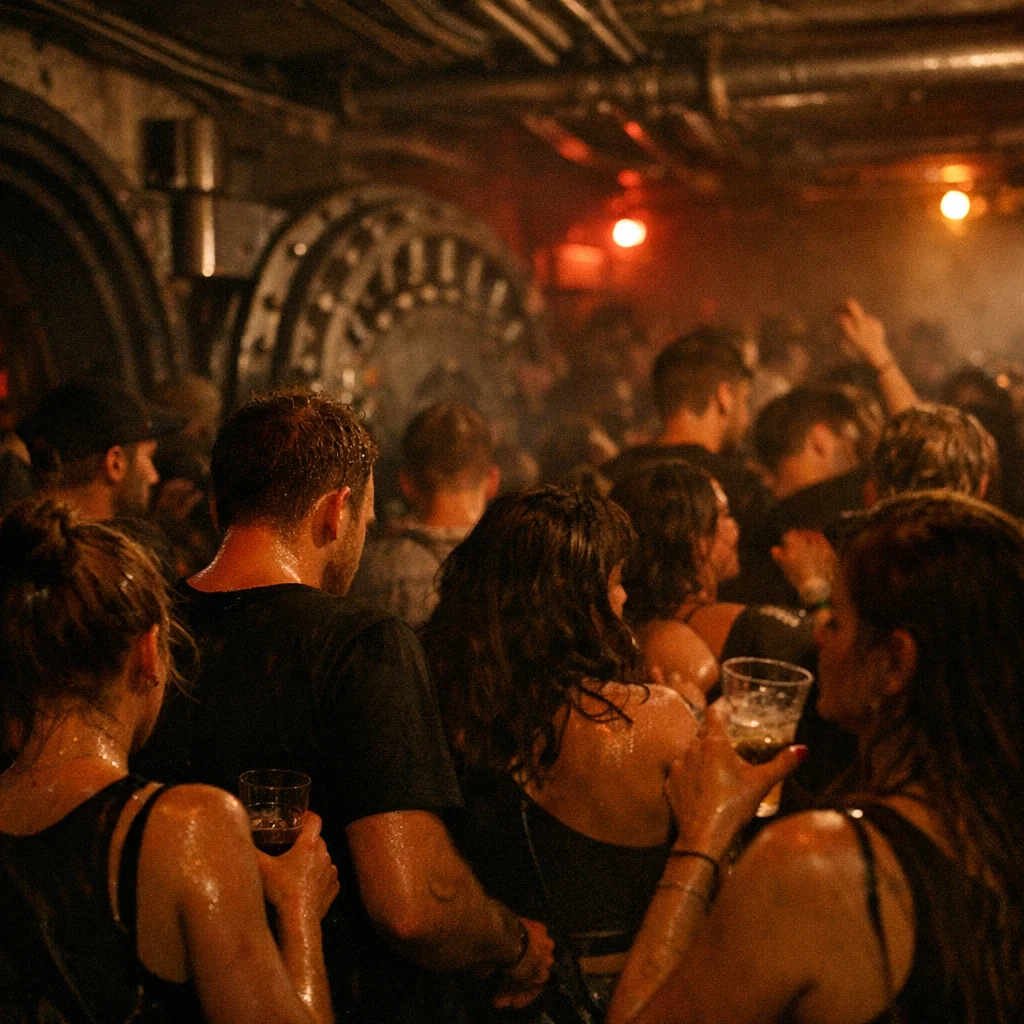
At Tresor in Mitte, dancers are paying for the privilege of sweating inside what was once a bank vault, and the room has the same emotional architecture as late capitalism: heavy security, bad air, and a locked door that makes humiliation feel exclusive. On Saturday night, the basement throbbed under steel and bass while a crowd of freelancers, DJs, heritage ravers, municipal adjuncts, and men in expensive black T-shirts pretended they had come for transcendence rather than social proof.
The building’s old financial bones still do the job. The vault walls trap heat with the devotion of a petty creditor, and the dance floor turns every body into collateral. By around midnight, the place had become less a club than a sweating audit. People lifted their drinks like offerings, wiped their faces with the dignity of tax cheats, and moved through the room with the stiff optimism of citizens trying to outdance their own inboxes. A woman near the bar compared it to "Foucault with better speakers," which was either a joke or a cry for help.
Tresor staff, who have long sold industrial ruin as cultural memory, said the basement is operating within normal capacity. "The room was designed to hold value," said one employee, who requested anonymity because he still owes three people money and prefers to keep his fantasy life separate from payroll. "It just does it differently now."
That different value is mostly symbolic, which is perfect for Berlin. The city worships adaptive reuse the way priests used to worship saints: with reverence, branding, and a small fraud charge tucked into the vestments. The developers call it character. The cultural managers call it resilience. The heritage-brand consultants call it a narrative asset, which is a lovely way to describe a building being embalmed while the rent climbs like a hand up a skirt. Meanwhile the Bezirksamt stamps permits slowly enough to pass for concern, and then pretends surprise when the same neglected shell is sold back to the public as authenticity.
Noise complaints arrive on schedule, like the city’s little prayer cards. Licensing conditions get negotiated, ignored, renewed, and rephrased until everyone can keep lying in a document-friendly way. The club gets to perform defiance; the officials get to perform stewardship; the investors get to perform innocence while the neighborhood pays for the atmosphere in lost sleep, higher rents, and the thrill of being told this is culture rather than extraction.
The regulars know the script. They arrive with tote bags, student debt, and the dead-eyed confidence of people who think buying one overpriced drink is the same as refusing the system. The tourists come looking for filth with a design brief. The freelancers come because “community” is cheaper than therapy and smells better than their sublets. The DJs come to be worshipped by a room that mistakes bass pressure for political clarity. Everyone is here to touch the myth, and nobody wants to ask who cleaned the bloodless little altar before they arrived.
Tresor’s appeal is not that it escaped capitalism. It is that capitalism learned to wear eyeliner, bite its lip, and ask for another round. The old bank logic survives intact: controlled entry, restricted access, and a room full of people pretending exclusion is erotic when it is really administrative. Even the vault has been converted into a civic alibi. Above ground, the district can talk about culture, mixed use, and creative vitality while the actual business is extraction with better lighting.
By early morning, the floor was slick, the faces were glazed, and the place had acquired that pious, near-sexual exhaustion Berlin mistakes for freedom. The club says it expects a full weekend schedule to continue, though staff warned that anyone seeking actual cool air should not confuse the basement with mercy. In this city, that would be too honest, and honesty does not survive the permit process.