Prince Andrew Arrested? Wedding Answers with Door‑to‑Door 'Ex‑Royal Registry' — Self‑Declared Dukes Beware
Neighborhood volunteers now demand family trees, seize cardboard crowns, and convene impromptu tribunals for anyone who once put 'prince' in their Instagram bio.
Imported Scandal & Local Hypocrisy Correspondent
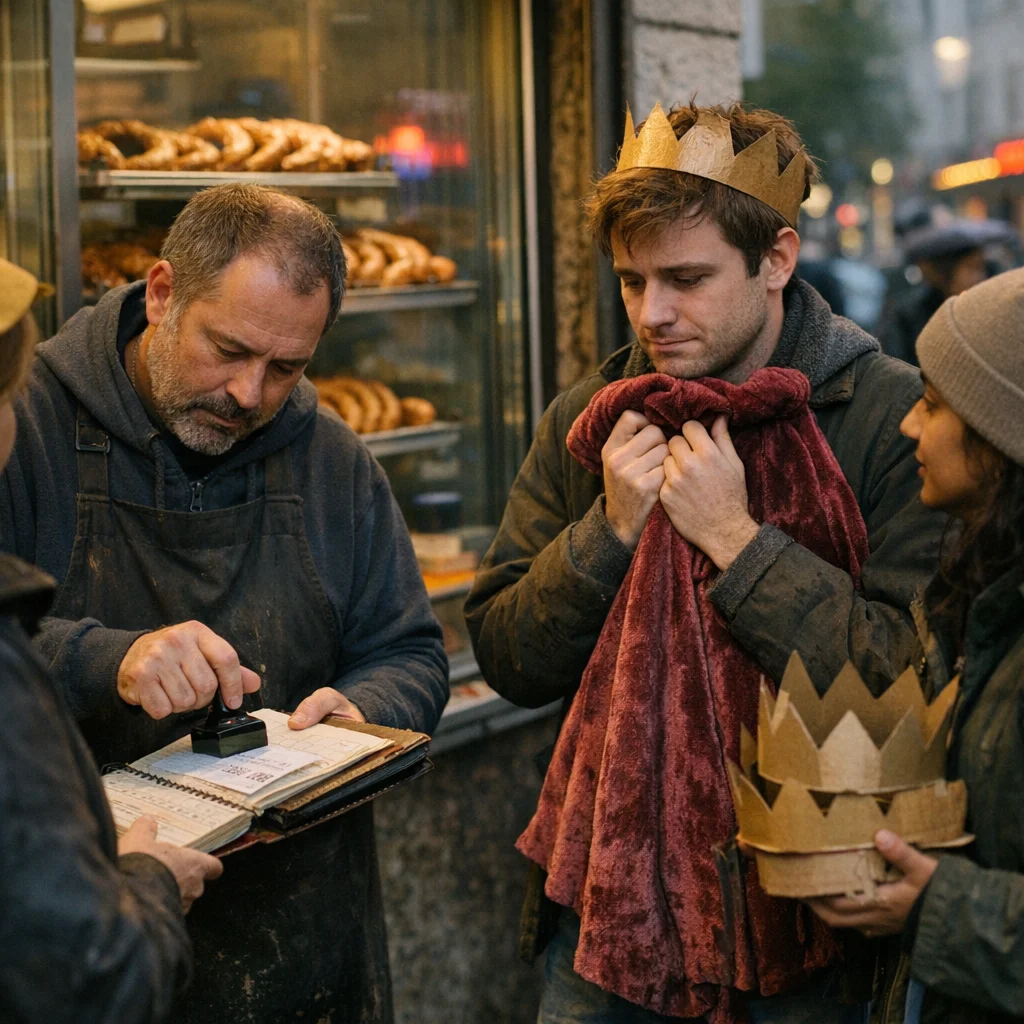
After news that Großbritannien: Polizei nimmt Ex‑Prinz Andrew fest, a ragged coalition of Wedding residents decided privilege needed a neighborhood audit. What began as a jokey group chat spun, within two evenings, into a door‑to‑door “Ex‑Royal Registry” that demands family trees, Instagram archives and the surrender of any cardboard crowns found in living rooms or café windows.
Volunteers say the arrest in Britain crystallized a local itch. “If Britain can arrest a prince, we can at least stop someone from styling themselves a duke on Müllerstraße,” said Mehmet Yıldız, who organizes the Registry and runs a locksmith shop. “We’re not the police, we’re the parish council with better handwriting.” His crew carries a stamped ledger, a hand‑sewn sash, and a rubber stamp that reads NEIGHBORHOOD NOBILITY — the kind of imprimatur that feels important until you remember it’s printed on leftover café receipts.
Teams knocked on about 120 doors in the past week. They seized glittering cardboard coronets from an art‑school flat, a faded velvet cape from a man who once captioned a holiday snap “an old king,” and a stack of hand‑lettered certificates promising “ducal privileges” at a co‑working space. At the back room of a Turkish bakery on Müllerstraße, an impromptu tribunal sat at a bench over simit crumbs and interrogated a 29‑year‑old expat who confessed, sheepish, that he’d written “prince” in his Instagram bio “ironically.” “I thought it was whimsical,” he said. The Registry sentenced him to an afternoon sweep of the neighborhood noticeboard and a public apology for the playlist he curated at a poorly attended rooftop party.
Not everyone applauds. A Bezirksamt Mitte spokesperson said district staff were monitoring the activity and urged residents to avoid vigilantism; Berlin police asked that people refrain from public shaming and to report crimes through proper channels. “We understand the impulse, but please don’t make a mock‑court out of a bakery,” the spokesperson added.
The project carries an odd mix of theatricality and Foucault‑showbiz: a tiny panopticon run on good intentions, petty grievances and recycled paper. It also exposes local hypocrisies — the same people who decry elitism while paying for artisanal entitlement with a tap on an app are first in line to judge a faux‑prince.
Registry volunteers now threaten to widen their sweep to anyone who once called themselves a “duchess” on a drunken Berlin night; district officials are considering a public meeting. For now the ledger sits in Mehmet’s shop, stamped, smelling faintly of sesame and authority, while the neighborhood waits to see whether this amateur oversight will fizzle into municipal policy or simply crown another evening’s entertainment.