Pulse Pass: The German Capital Converts Nightlife Into a Heartbeat Permit
Wearable tempo permit gates entry and duration, turning every bass drop into a budget line item.
Night-Queue Economist & Low-Grade Vice Reporter
A nomination nobody asked for, filed anyway
On Monday morning, sometime before noon, Wedding district office clerk Saskia Hennings, 38, opened her inbox at Rathaus Wedding, Müllerstraße 146 and found a 94-page UNESCO nomination dossier titled “Görlitzer Park: Living Pharmacy of Urban Europe.”
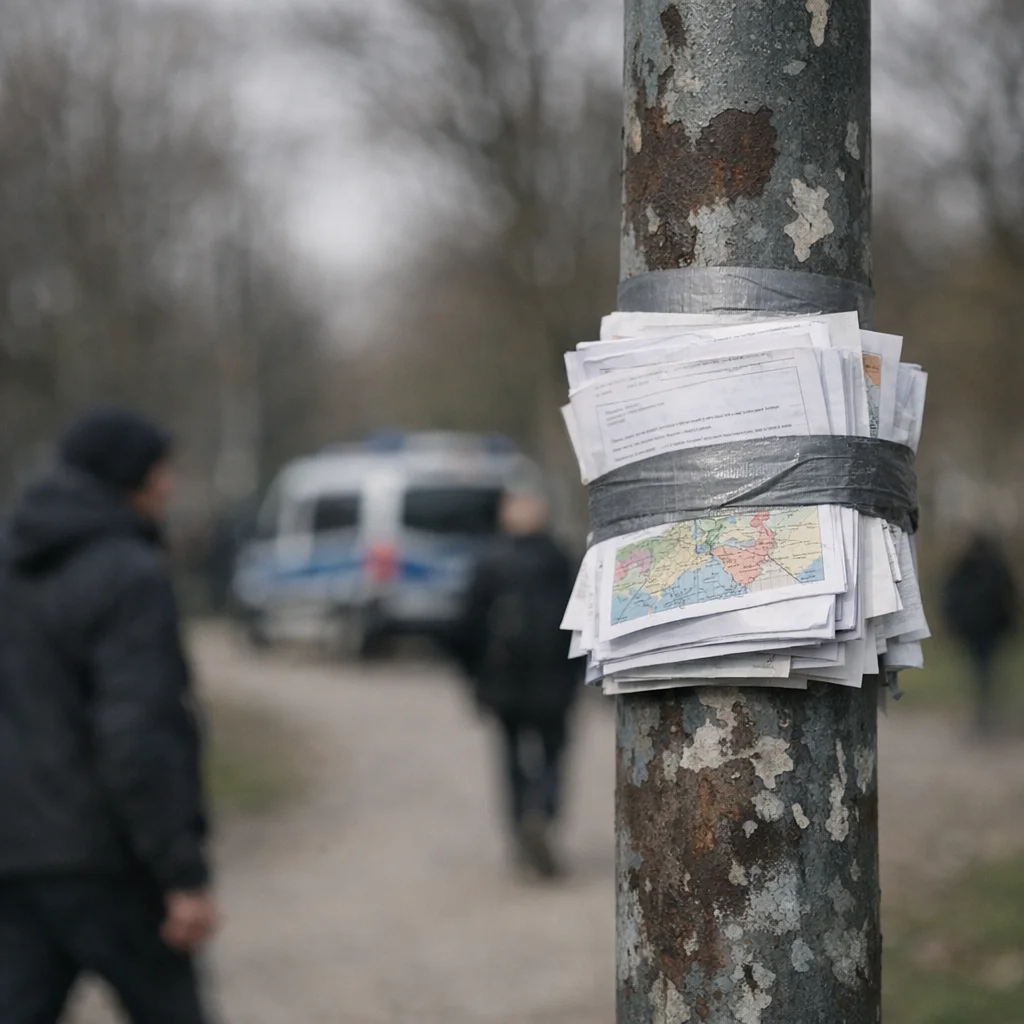
Hennings, who processes noise complaints with the facial expression of a person swallowing dry bread on purpose, said she assumed it was another grant application “written by people who think PDFs are a form of activism.” Instead, the dossier contained maps of Görlitzer Park’s tree-lined paths, annotated “distribution nodes,” plus a proposed visitor route from Wiener Straße to the children’s playground, framed as an “intergenerational learning corridor.”
“I handle forms for dog registration and broken streetlights,” Hennings said. “Now I’m supposed to rubber-stamp a heritage application for a market that already has better hours than our public services.”
Triggering incident: the park gets a prestige makeover
The dossier was submitted by a nonprofit calling itself Civic Heritage Lab, registered to a mailbox near Oranienstraße. Its director, Dr. Lennart Voss, 41, described the park’s drug trade as “an informal institution of care and access.”
“Berlin loves to fetishize spontaneity,” Voss said during a briefing around early afternoon at a café off Schlesisches Tor, where the menu was in English and the moral logic was in italics. “This is the city’s most consistent public-health intervention: predictable supply, peer guidance, and rapid feedback. Foucault would have called it discipline; we call it community.”
A local dealer who identified himself only as “Rami” said he was approached to contribute “oral histories” and a “skills demonstration.”
“They asked if I could do it slower for the photographers,” he said. “Like I’m plating dessert.”
Escalation: everyone wants a piece of the purity
By evening, flyers were circulating near Kottbusser Tor advertising “heritage walks” led by “harm-reduction docents.” A QR code offered visitors a “guided encounter” with the ecosystem, including a “deep sample” of product education and a “backdoor” debrief in a nearby courtyard.
Hennings said she received calls from Wedding residents worried the nomination would create a new class of cultural consumers: people who want transgression with a receipt.
“They want the thrill without the risk,” she said. “A museum where the exhibit still sweats.”
At Müllerstraße 23 in Wedding, Ayşe Karaman, 52, who runs a small convenience shop, laughed at the idea of international protection for something the city has failed to address for years.
“UNESCO for that, but my street gets one trash pickup if the moon is in the right position,” she said. “Berlin can’t fix a doorbell, but it can certify a hustle.”
Turning point: UNESCO wants “verification”
On Tuesday morning, a spokesperson for the federal cultural liaison office told Hennings that UNESCO reviewers had requested “on-site verification of the ecosystem’s continuity” and “evidence of community consent.” Hennings said the request was delivered with the kind of bureaucratic firmness that usually precedes a collapse.
“It’s a tight entry process,” she said. “They want consent forms from people whose entire job is not leaving a paper trail.”
Hennings has asked to be removed from the file, citing “conflict of interest and basic dignity.” For now, the dossier remains active, and the city is preparing—quietly, efficiently—to market its own failure as culture.
“If this gets approved,” Hennings said, “Berlin will finally have a heritage site where the line moves faster than the government.”