Punch Cards, Döner Perks, and the Illusion of Anonymity: How Wedding’s After‑Hours 'Freedom' Is Really a Loyalty Program
The scene sells escape; the alley hands you a matchbook with a QR code and a hole‑punched stamp that makes you a repeat customer.
Nightlife Contradictions Reporter
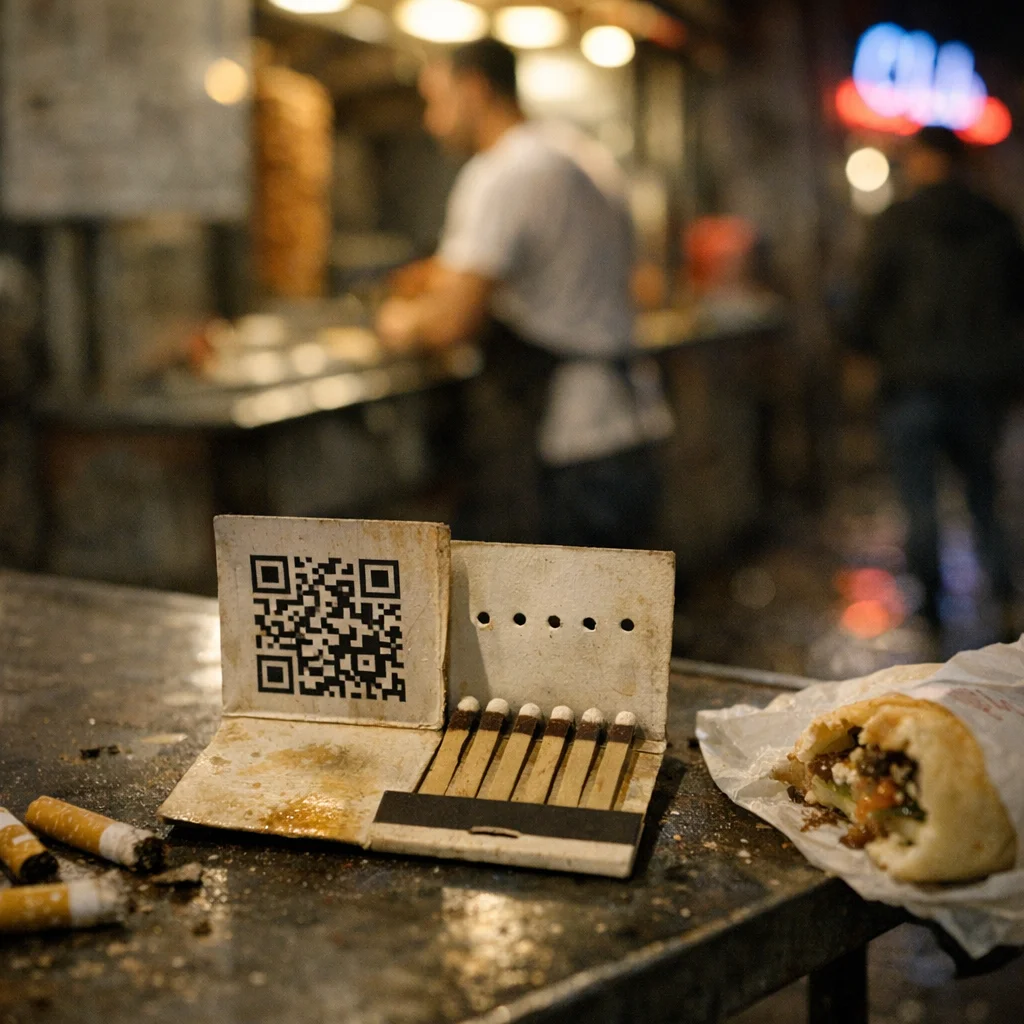
WEDDING — Everyone in the scene says the point of after‑hours techno and fetish nights is escape: temporary invisibility, bodies without resumes, a space outside commerce. Walk a backstreet after 5 a.m. and the small, greasy fact everyone ignores changes the story: promoters, dealers and even the corner döner hand you a matchbook with a QR code and a hole‑punched stamp that funnels that mythical anonymity into a customer file.
What starts as the usual pitch — "no photos, no names, just the music" — quickly hardens into a reward system. First: you’re handed a tiny cardboard matchbook with a printed code and five micro‑perforated boxes. Second: a door staffer, promoter or kebab owner pierces a hole each time you re‑enter, buy a beer, or meet someone in the darkroom. After three holes you get priority re‑entry; after five, a free döner or a discounted taxi home. The official story is that these are goodwill tokens. The observed function is CRM.
"We give them away because people lose their matchbooks; it's advertising," said Mehmet Yılmaz, owner of a decades‑old döner counter on Müllerstraße, holding up a greasy booklet. "But if they keep coming, I keep the punch. We know loyalty when we see it." A regular named Lena, 29, admitted she keeps one in her wallet. "It feels like a secret handshake — until you realize it's a punch card. Then it just feels like capitalism touching you in a dark corner."
Club spokesperson Maja Kröger defended the practice as harm reduction and crowd management. "Stamps and tokens help us track capacity and repeat patrons without IDs," she said. "We don't keep names." Mitte district office spokesperson Annika Schulze said officials would review whether promotional devices breached consumer‑protection or public‑health rules; police confirmed they had received complaints about unlicensed promotional activity near late‑night venues.
The tiny mechanism does more than sell kebabs. Door staff use the pattern of holes to identify who is "known" and who is anonymous on a night when anonymity is supposed to be the currency. Promoters equate repeated holes with reliability; vendors equate it with spending power. Baudrillard would have enjoyed the exchange rate: illusion traded for a free sauce packet.
The consequence is immediate and mundane. What was sold as a momentary exit from market logic has been folded back in, incentivized and measured. The district office plans a hearing next week; döner owners and venue reps have been invited. Expect polite outrage, a few voluntary policy tweaks, and the matchbooks to keep making quiet, profitable citizens of everyone who wanted to disappear.
If anything changes, expect the next iteration to get tighter: smaller holes, sharper offers, and a backdoor arrangement that promises a satisfying resolution while keeping you coming for more — and more often.