Putin’s Birthday Cake Keeps Schröder on the Line
The cake is doing what diplomats, party hacks, and moral grandstanders cannot: keeping Gerhard Schröder useful to Moscow while everyone else performs outrage for the cameras.
Administrative Grief Correspondent
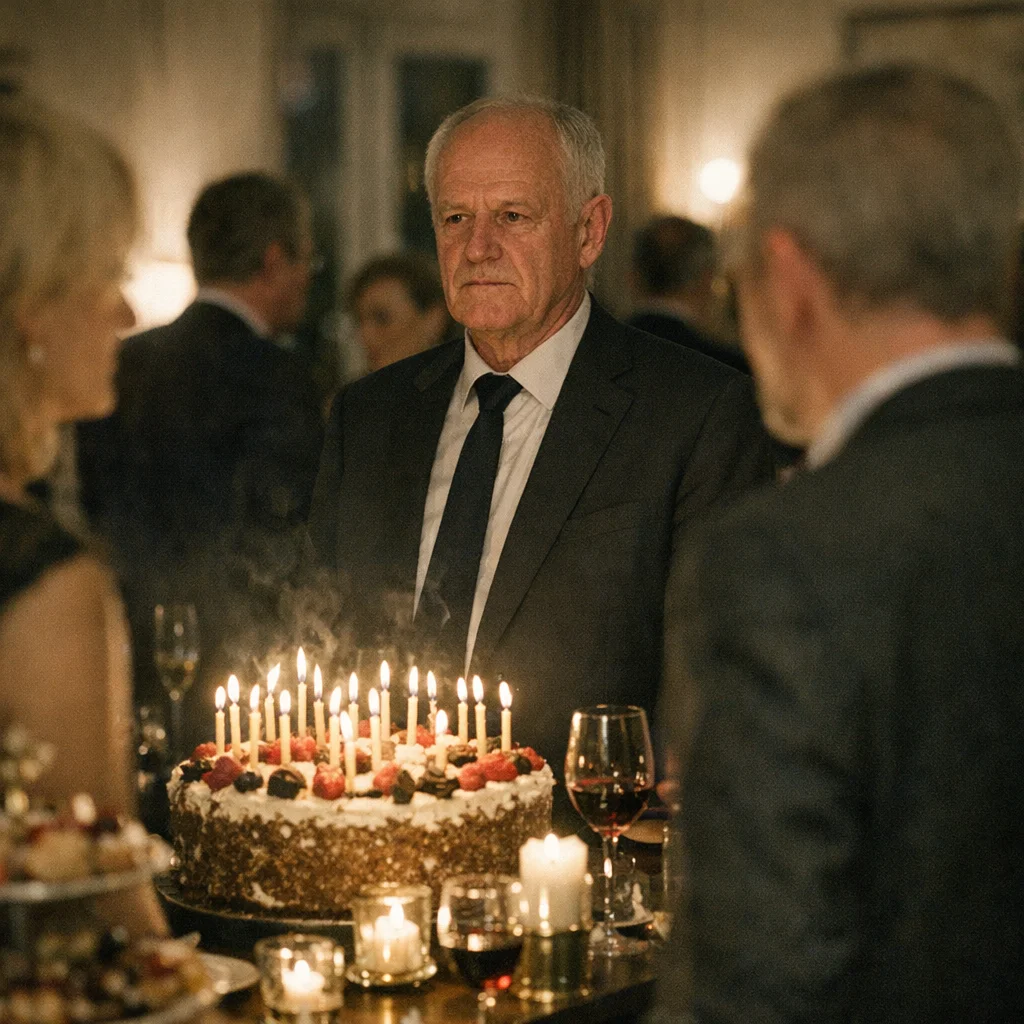
Gerhard Schröder showing up at Vladimir Putin’s birthday celebration has the sort of aftertaste that makes Berlin’s polished hypocrites reach for mouthwash and a press release at the same time. In Mitte, they call it a scandal. In Wedding, where people know a useful man when they see one, it looked like the oldest arrangement in politics: somebody brings the cake, somebody keeps the line open, and everybody pretends the connection is dead right up until they need it rung again.
At a Späti near Leopoldplatz, between the cheap beer fridge and the rack of phone chargers no one trusts, the talk was not about patriotism but access. Schröder, one regular said, was “a retired chancellor with a live number and the kind of service Berlin can’t stop ordering.” Another shrugged and called him “the line you swear you’ve deleted, then call at 1 a.m. when the ministry, the landlord, or the ex won’t answer.” In this city, that is the closest thing to immortality.
The birthday cake matters because it is not decoration. It is the operating system. It sits there in the open, soft enough to cut, rich enough to smear, and public enough to make everyone involved look slightly ridiculous while they still lean in for a piece. That is how influence works here: you do not get invited to the table because you are noble. You get invited because you are useful, and usefulness in Berlin is always a little greasy around the edges.
The cake keeps Schröder on the line in the same way certain men keep assistants, translators, fixers, and former lovers in their phones under names they would deny in daylight. It is not love. It is not diplomacy. It is dependency with better tableware. The people shouting loudest about principle are often the same ones who have spent the week dialing their own little access economy: permits, committee seats, construction approvals, visa problems, procurement favors, a call to a district office, a nudge from a party contact, a message to someone who can still get a door opened without a form.
Nuriye Demir, who runs a café in Wedding and has the expression of someone permanently one invoice away from violence, put it more plainly. “Everybody wants to act offended until they need their number picked up,” she said. “Then the same people who talk about values start asking who can get them in, get them through, get them answered. That is Berlin. Everybody wants to be seen refusing the cake. Half of them are already waiting to be fed.”
The city’s professional moralists hate that part because it exposes their little appetites. The anti-Moscow posturing, the televised disgust, the stern threads and long faces — all of it looks cleaner when nobody asks who benefits from the connection staying alive. But the answer is embarrassingly local: the consultants who need a network, the operators who need a favor, the party hacks who still want to be treated like they matter, the faux-radicals who curse power in public and then flirt with it in the hallway if there is a chance it can shorten their wait.
In Wedding, that sort of thing is recognizable by the physical tells. The sudden softening of the voice. The hand going to the phone. The small forward lean that says someone has remembered a line they once had and would very much like to have again. Berlin likes to dress this up as strategy, but it is mostly appetite with a title card. You can call it diplomacy if you want. It still sounds like somebody trying not to get cut off.
A district office spokesperson, asked whether the city had any view on the matter, said it had “no role in private birthday relations,” which is exactly the kind of sentence Berlin produces when it wants to sound above it all while sitting three inches from the cake. The city loves that posture: hands folded, mouth full, conscience on silent. It condemns the connection in public and then spends the rest of the evening checking whether the connection still rings.
By nightfall, the whole business had settled into its familiar rhythm. Outrage for the cameras. Utility for the people who actually need something. And Schröder, somewhere near the center of it, less a man than a hotline with frosting — the sort of number that makes everyone feel ashamed after they dial, but not ashamed enough to stop.