Quiet, Please — And Stream: How Wedding’s 'Smart' Bass Traps Sell Your Night to Spotify
The official line: municipal-approved acoustic panels to calm neighbors. The tiny invoice line that tells the real story: a subscription to an API that boosts the club’s streaming numbers.
By Lina Paypass
Night Economy & Digital Vice Reporter
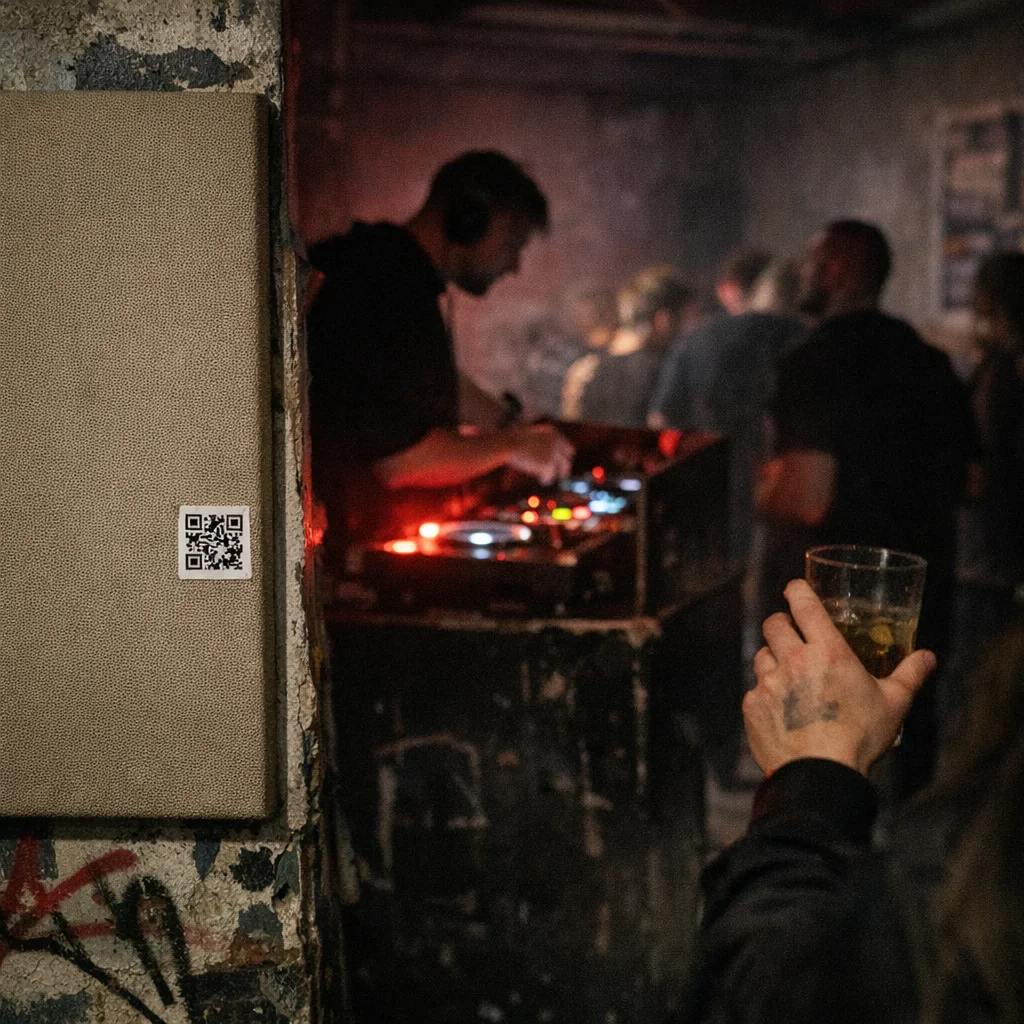
Wedding — This month a clutch of neighborhood clubs quietly completed their municipal soundproofing inspections and hung new acoustic panels. The official story from venue owners and the Bezirksamt was the same: calmer nights for sleeping residents, less bass bleeding into upstairs flats. What nobody led with on the press release was the three-word line that shows up on every invoice: “Playlist Sync / Monthly Uplift.”
First came the permits, then the installers, then a warranty sticker with a tiny QR code. Scan it and a polite form asks for your Spotify username and permission for “data sharing.” One invoice, viewed by this paper, lists a recurring €199 charge to an API that claims to “optimize organic streams for venue playlists.” Club manager Mert Yıldız admitted the billing item when pressed: “We paid for proper bass traps and, yes, the add‑on. Neighbors sleep. Our numbers sleep less.”
By night three of installation, DJs were bragging in the basement: the panels capture a non‑identifiable live ambience, anonymize it, and the API stitches the result into three ‘venue tracks’ that are seeded onto playlists at peak hours. “It’s a quiet way to monetize the room,” said DJ Aylin K., who plays two nights a week and called the system “helpful for my metrics.”
The contradiction is surgical: panels sold as a public good also replace public spectacle with private streaming profit. Neighbors get reduced thumps; the market gets boosted plays. “It’s like someone threaded an industrial needle through our sleep and pulled out a dashboard,” said Fatma Demir, who has lived above a former döner shop for 18 years and found an automatic email confirming her building’s new soundproofing — and a link to the club’s “curated live” playlist.
The Bezirksamt released a statement: installations met acoustic code and permits were in order; they said they were “looking into contractual transparency.” District spokesman Jonas Meier acknowledged the invoices but framed the uplift subscription as a commercial detail between companies. “Noise compliance is the only criterion we license; what a club does with its content afterwards is a market matter,” he said.
Meanwhile the techno economy adapts in microscopic ways: bouncers still stamp hands with ink — a tactile badge — but promoters now also request screenshots of monthly streams as a new kind of credibility. What began as a neighbor‑soothing fix has become a backdoor arrangement where quiet is the price of a better algorithmic reach.
The immediate consequence: the district will review vendor contracts; clubs will update their terms. The unresolved bit is messier — you can sleep while the algorithm sells the night, and a culture that once prized presence is learning to cumulate worth in plays, not bodies. As Debord would have it, the spectacle hasn't died; it just moved into the cloud and started billing itself.