Rave Detox, By Men In Featherlight Linen
Berlin’s drug-and-techno crowd has found a new way to look ethical: strip the night of pleasure, then charge extra for the privilege of saying you were careful.
Gentrification Symptoms & Pretend-Creative Economy Reporter
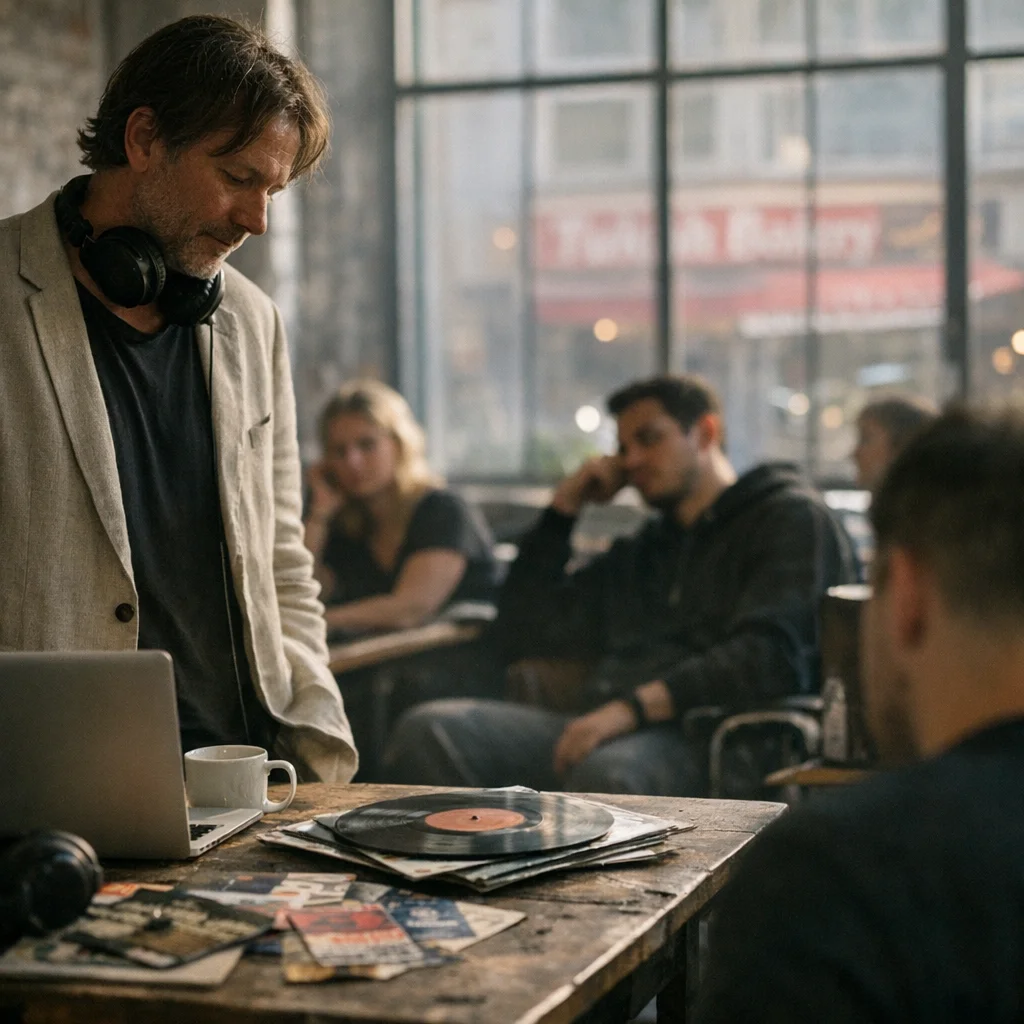
In Wedding and across the broader Berlin startup swamp, the city’s most obedient grifters are switching costumes again. Former DJs, promoters, and self-anointed scene translators are trading fog machines for pitch decks and calling it maturity, as if the only thing standing between nightlife and civic virtue was a subscription to an expensive vocabulary.
At a coworking loft near Osloer Straße, a former promoter named Timo Becker now runs morning workshops on “rhythm management,” which is what happens when a man discovers he can package the same crowd-control instincts he once used at the bar and sell them to exhausted founders with dead eyes. He stood there in a linen blazer that looked damp with self-regard, talking about “alignment” and “capacity” while a kettle hissed in the corner like a warning.
Becker used to curate chaos, or so he says, with the air of someone confessing a misdemeanor that somehow qualifies as heritage. “I help teams align their energy,” he said, smiling like a man who knows the invoice is the real seduction. What he actually helps align is rent extraction: founders too anxious to sleep, freelancers too broke to refuse, and district-branding people eager to call this civic renewal while the vacancy rates and short leases keep chewing through everybody else.
That is the Berlin scam in one sentence: take a nightlife skill, rinse it through wellness language, and charge twice for the same emptiness. The product is never health. It is permission. Permission for founders to mistake fatigue for depth, for consultants to confuse restraint with wisdom, and for a city government to call all this “creative crossovers” while it quietly subsidizes the conversion of precarious labor into tasteful suffering.
The local species doing this are easy to spot if you’ve ever stood too close to a bar at 3 a.m. and watched the last of their self-belief leak out. They are the ex-raver founders with soft hands and hard opinions, the sober-curious operators who speak in a devotional murmur about “capacity building,” the district boosters with municipal smiles who treat every ugly warehouse as a future brand asset. They still want the aura of transgression, but only after it has been cleaned, framed, and priced for a lunchtime workshop.
A few blocks away, the neighborhood keeps living in a way that makes their performance look even more pathetic. Turkish bakeries open before dawn. Delivery riders cut through cold streets with the patient fury of people who actually produce something. Grandparents haul groceries with more discipline than any founder with a standing desk and a trauma-informed newsletter. The consultants, meanwhile, drift in wearing neutral tones and the haunted confidence of people who think they discovered Berlin by mistaking it for their own reflection.
At the workshop, Becker demonstrated a breathing exercise for “decision hygiene,” which sounds like something invented by a man who has never faced a consequence he couldn’t push into next quarter. One attendee — a startup product lead with a jaw clenched so hard it looked rented — nodded along as if corporate collapse could be solved by inhaling through the nose. Another, from a district business group, called the whole thing “community infrastructure,” because in Berlin the language of solidarity is often just a nicer upholstery for extraction.
“They took the one place where people admitted they were lost and turned it into a roadmap for people who can’t tolerate silence,” said urban theorist Nadja Kroll. “Now every nervous founder gets to cosplay recovery while the city sells off the floorboards.”
And that is where the ugliness settles in: not in the linen, not even in the wellness jargon, but in the municipal complicity. Berlin keeps rewarding these people because their emptiness is useful. It helps landlords justify the next increase, helps agencies sell another reinvention campaign, helps district offices pretend that cultural life is a spreadsheet with better lighting. The city does not merely tolerate the scam. It invoices it, hosts it, and then asks whether the room feels sufficiently inclusive.
The next phase is already here: sober-curious mixers for venture capital, “rhythm” coaching for people who haven’t slept without chemical assistance since 2019, and another generation of ex-ravers claiming they built the city’s future because they once stood near a booth and survived. Berlin loves a resurrection story as long as it ends in a lease. It will keep laundering burnout into status until the whole place smells like expensive socks and municipal denial.