Rave Priests, Paywalled Absolution
A new class of nightlife entrepreneurs is selling sin-management to the same crowd that refuses to call it.
Nightlife Etiquette & Status Rituals Correspondent
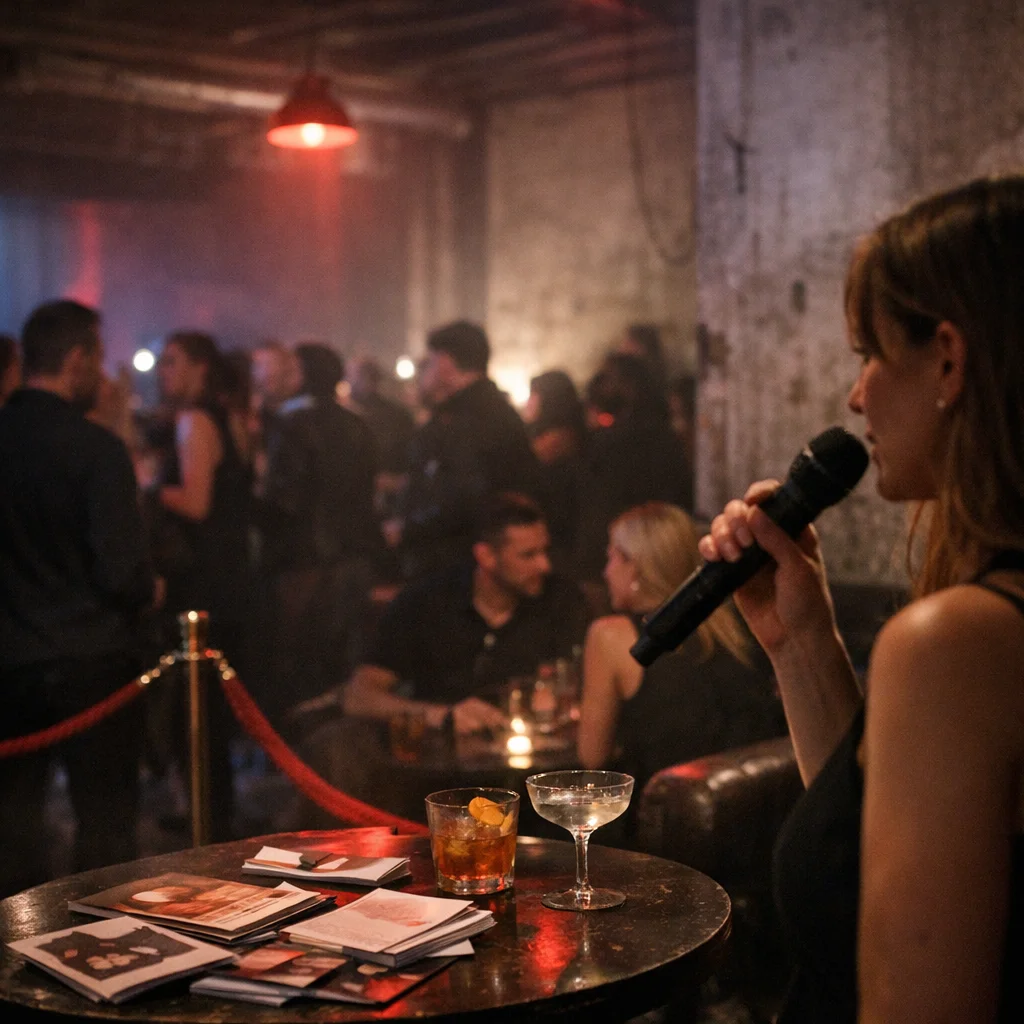
At a converted warehouse in Neukölln on Friday night, a roomful of promoters, startup heirs, and wellness apostates paid extra for the privilege of being told their guilt had been professionally handled. The event, advertised as a “care-forward nightlife forum,” bundled guest-list access, a wrist-scratch-free drinks package, and what organizers called an aftercare fellowship for people who want to sin with better lighting.
It worked like any other Berlin extraction scheme: first they sold you the fantasy, then they charged you for the penance. Investors in black T-shirts floated through the crowd with the soft, glazed expression of men who have never once been denied entry to a room or affection from a spreadsheet. A self-appointed harm-reduction chaplain, wearing the exhausted nobility of a minor Dostoevsky character, explained that “people want structure around excess.” What she meant, plainly, was that rich people adore a priest as long as the priest invoices them in quarterly installments.
By midnight, the room had developed the moral ambience of a confessional inside a members’ club. Everyone spoke in the language of care while checking whose name was on the guest list. One promoter, who requested anonymity because he is “building community” and does not want his mother to know he charges for absolution, said the market had matured. “Nobody wants shame for free anymore,” he said. “They want a premium package.”
The package included a meditation corner, a “safe decision” briefing, and a private table for people too important to sweat with the rest of the flock. It was half Foucault, half bottle service. Debord would have thrown up on the velvet rope and called it theory. Even the cigarette break had a sponsor.
The ugliest part was not the obvious hypocrisy. Berlin has long sold moral rot with better branding than most cities can manage for sewage. The uglier part was the sincerity. Left-wing freelancers praised the event for “de-stigmatizing pleasure” while standing three feet from a man in a linen overshirt who would probably describe his own loneliness as a social practice. Right-wing kulturkritis, if they had wandered in by mistake, would have simply seen another elite refuge where nobody has to admit they are lonely, horny, bored, and expensive all at once.
By the end of the night, the organizers were already discussing a second tier: better seats, deeper access, and what one investor described as “a more intimate relationship with responsibility.” That is Berlin in one sentence — not freedom, but a long and arduous entry process for the conscience.
The district office said it had received no formal complaint. The club said it was “exploring dialogue.” The next event is already listed for next month, with a higher ticket price and a promise to go further into the matter. Naturally, that is where the money is.