Rave VAT: Wedding’s New 'Intoxication Tax' Turns Afterparties Into Spreadsheets—Accountants Now Optimize Pill‑Count Versus BPM
City pilots air‑sensors that bill venues when drug markers or bass peaks cross thresholds; local startups sell ‘sound accountants’ who re‑engineer sets and chemical profiles to minimize fines.
By Lina Paypass
Night Economy & Digital Vice Reporter
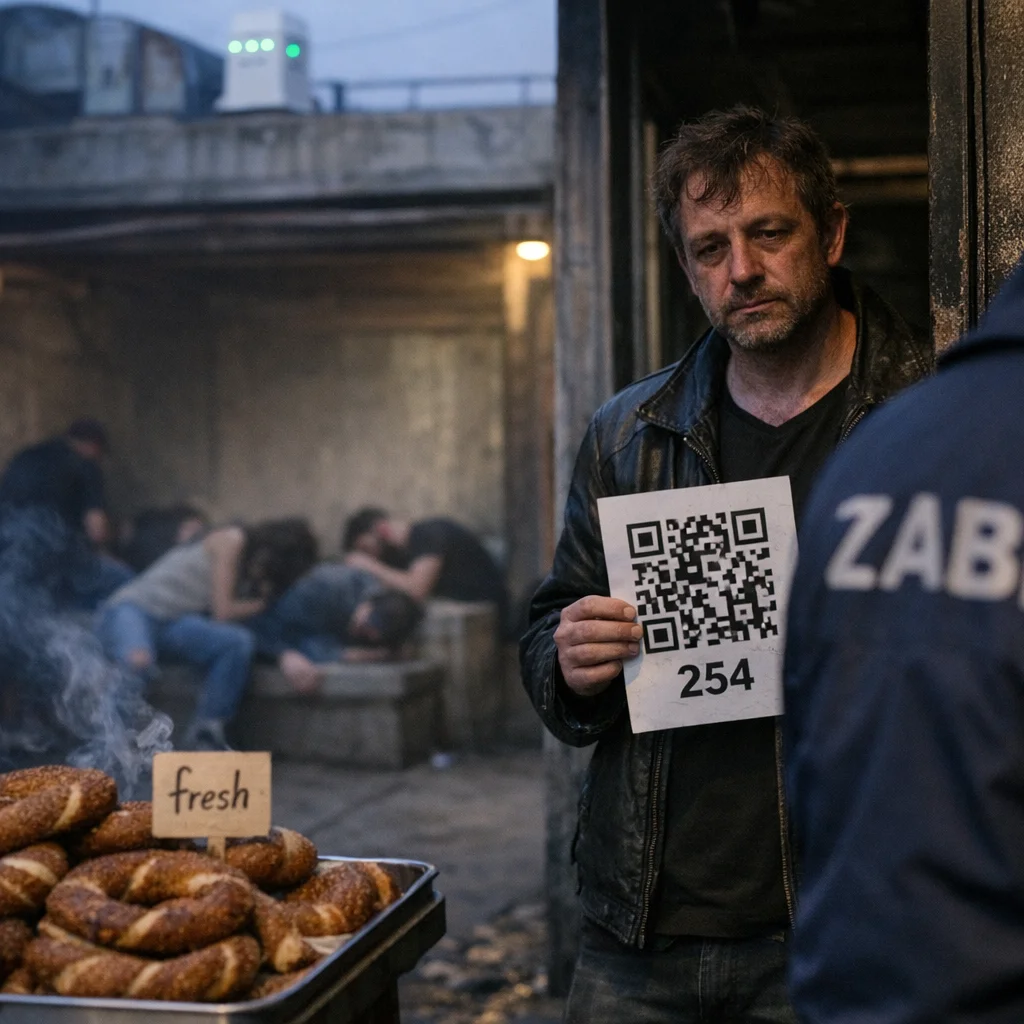
Wedding’s pilot tax program began billing night venues last month after the district installed air‑quality sensors outside five clubs and two bars, a municipal experiment that invoices promoters when molecules associated with cocaine or cannabis cross predetermined thresholds or when sound spikes become a public nuisance. The first invoice—three figures, emailed and stamped with a QR code—landed on a promoter’s inbox the morning after an all‑night set at a local warehouse.
“At first we thought it was a prank,” said Felix Kröger, who now calls himself a “sound accountant” at KlangBilanz, a boutique consultancy that rewrites DJ sets to dodge the meters. “Then we learned how mercilessly the spreadsheet loves you. It’s hard to swallow: the city charges by the molecule and the decibel-equivalent, and we bill back to the promoter as ‘event overhead.’”
Within days enterprising firms that had previously sold party flyers repackaged themselves as compliance houses: chemists advising on dilution ratios that keep trace signatures under thresholds; engineers who map the frequency spectrum to tiny gaps the sensors allegedly miss; promoters who brand small bumps as “organic” and sell them at a premium. One new service—marketed as an ethical alternative to police fines—offers subscription‑based ‘set smoothing’ that tells DJs exactly when not to climax during a drop.
The district office defended the pilot, saying the meters are about public safety and noise management. “This is not a revenue scheme,” said Annelies Richter, spokesperson for the Mitte unit overseeing the test. “It is a way to limit harm and document nuisance.” Police added that the technology helps focus patrols.
Skeptics point out the economy already adjusts: the illicit market learned to dress up as boutique vice. “People who once bragged about authenticity now market aromas and origin‑stories for their product,” said Seda Yilmaz, a promoter who books everything from warehouse raves to after‑hours jazz. “It’s Baudrillard with a price list—sign over substance.”
A small, specific indignity underscored the experiment’s absurdity. One morning a traditional Turkish bakery on Müllerstrasse received a demand after a sensor registered cannabinoid markers; inspectors later admitted smoke from the simit oven had tripped the analyzer. The bill was rescinded, but the bakery now advertises “sensor‑friendly simits.”
Clubs have started stamping hands with a different kind of status: not entry into a secret room, but proof that your night did not cost the municipality a euro. Promoters are lobbying for exemptions, scientists for better tests, and entrepreneurs for new compliance niches.
For now the pilot will expand—more meters, more invoices, more people learning to get into the tight spaces of the frequency spectrum and the chemical profile. The immediate consequence: nights will be audited, nights will be optimized, and sin will be packaged as a line item. Hunter S. Thompson would have written it off as inevitable; here it is, perfectly itemized.