Rednik Family Surrenders So Father Finally Gets Commitment
After twelve weeks living rough in their fight to keep the house the mother has returned home while a judge now determines whether the institutionalized father can ever come back.
Administrative Grief Correspondent
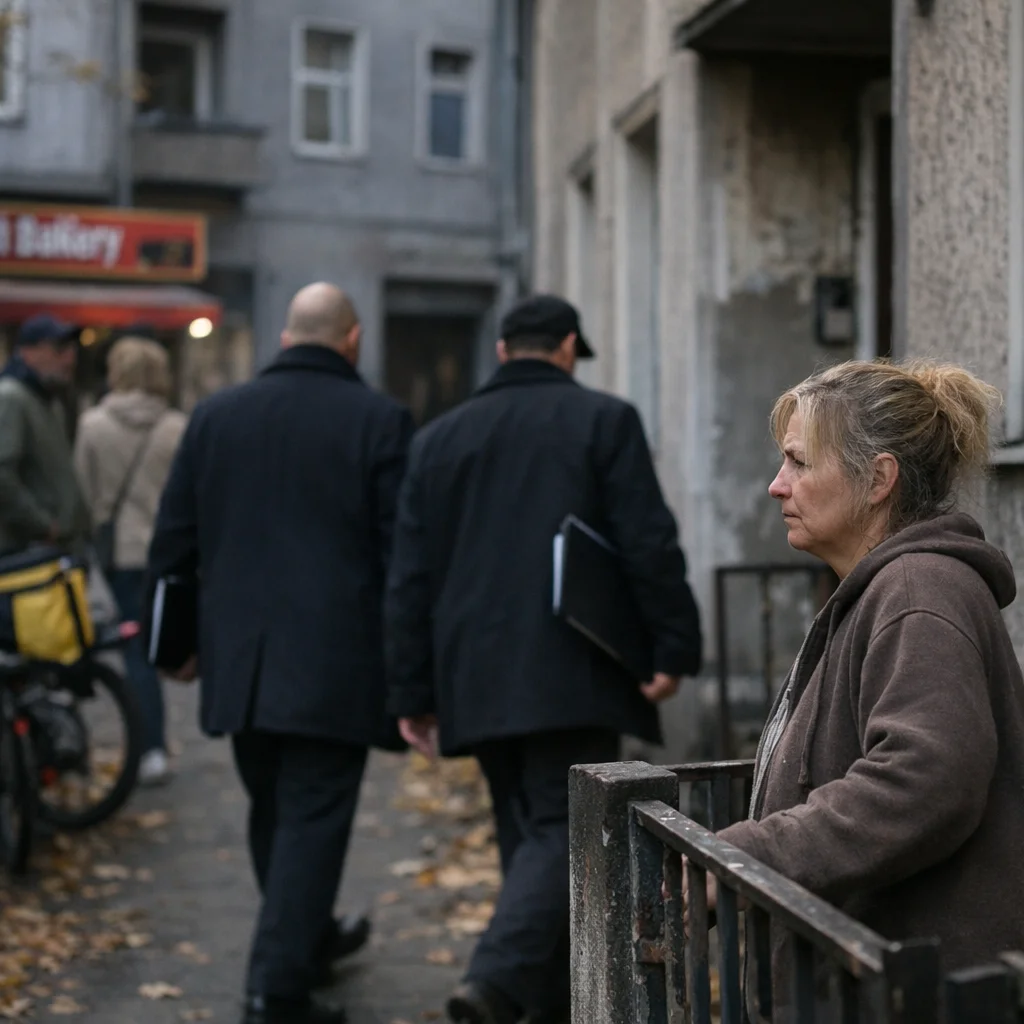
In Wedding, the Rednik family’s collapse has been dressed up as discipline, paperwork, and a judge in a clean collar deciding who gets to keep breathing inside the property. That is the official story. The local version is filthier and much more Berlin: the state only found its conscience after the family had already spent twelve weeks living like a rejected sublease, with boxes on the curb, neighbors pretending not to notice, and every office in the chain acting offended that consequences still exist when the paperwork has been so carefully arranged.
By Friday morning, the mother was back inside the house, the father was in psychiatric care, and the fight over the property had been translated into the usual institutional foreplay — custody, capacity, referral, assessment — as if the city could keep stroking the file until the matter went numb. A housing counselor near the block said the neighborhood had watched the same ritual unfold for years: first come the warnings, then the sealed envelopes, then the respectable people start speaking in the passive voice, which is where Berlin hides most of its violence. "Nobody wants to say out loud that once a family becomes administratively difficult, everybody gets very interested in helping them leave," said Denis Arslan, who works with tenants in the area and asked that his office not be named because he still has to deal with the same district staff on Monday.
What makes the Rednik case so useful to the local bureaucracy is that it lets everyone look humane while getting exactly what they wanted. The district can say it supported a vulnerable family. The court can say it acted independently. The psychiatric system gets a fresh file and a billing line. And any property that was too messy to manage while a father was still physically present becomes much easier to reclassify once he is somewhere behind a locked door and the family home has been turned into a moral lesson with windows.
Outside the house, a delivery rider paused long enough to watch two officials move through the entryway with the grave faces of men carrying wine to a funeral they benefited from. Across Wedding, Turkish bakeries, copy shops, and cafés have learned the same lesson: in this city, nobody destroys you directly anymore. They just ask for one more form, one more opinion, one more referral, until the failure looks self-inflicted and the landlord starts polishing the brass.
A district spokesperson said the case was now "in the competent hands of the relevant authorities," which in Berlin usually means the family is being processed by people who confuse suffering with workflow. The next hearing is expected to determine whether the father can return home, though by then the address may already belong to someone who describes the neighborhood as "up-and-coming" with the same dead eyes a grave robber uses when discussing antiques. In Wedding, commitment is what the system demands from families while it withholds from itself: stay vulnerable, stay legible, stay available, and let the city decide when the door closes behind you.