Rent for Everyone, But Who Pays to Stay on Top?
Bas’s exit leaves the pension fight looking like a sexual favor from the state: everyone is promised security, while workers, taxpayers, and younger voters get handed the bill.
By Tess Lanyard
Institutional Vibes & Local Power Struggle Reporter
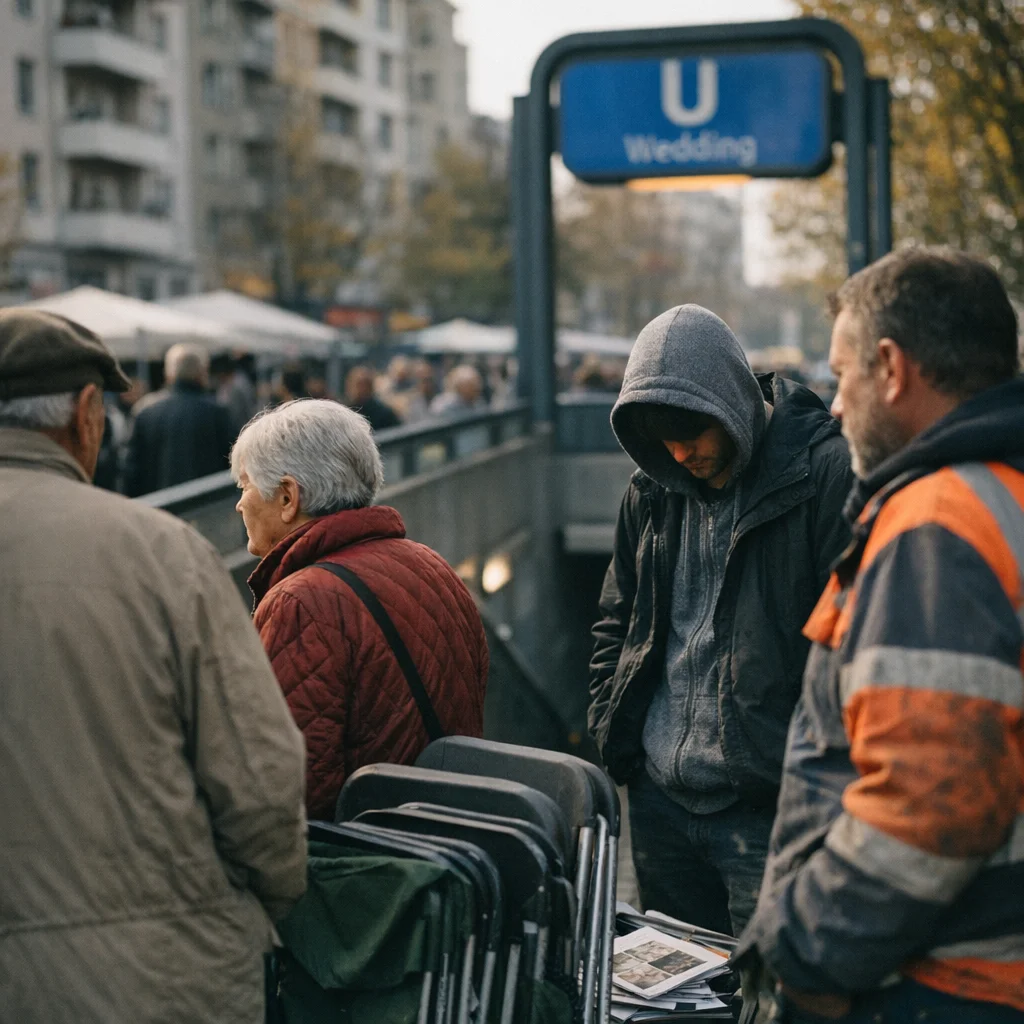
Bas leaves the pension fight looking like a state-issued seduction gone wrong
The pension reform fight in Berlin turned uglier this week after the Bas resignation, with party strategists now arguing over who gets protected, who gets stretched thinner, and who gets expected to lie still while the bill is shoved under the mattress. In Wedding, where older tenants and younger workers already live in a permanent triangle of fear, the debate landed like a ministry brochure for a bad hookup: every hand promises care, every hand reaches for the wallet, and somehow the same people keep ending up on their backs.
At the Leopoldplatz market, where pensioners haggle over apples like they are negotiating hostages, the talk was less about policy than about who would be left holding the moral underwear. "They keep calling it security," said Mehmet Yildiz, 67, who has lived off the same mix of public pension and side jobs long enough to know a promise when it is wearing lipstick. "Security for them means I work until my knees file for divorce, then clap while they call it respect."
The reform’s defenders insist the country must keep the system solvent. Their language has the usual lacquered sheen: sustainability, responsibility, fairness, all the clean little words that sound like a shower curtain pulled over a room that already reeks. But the body underneath stays the same — longer working lives for people whose backs are already filing complaints, higher contributions for workers who can barely cover rent, and a grand speech about intergenerational fairness delivered by people who will never wait for a delayed tram with numb feet and a takeaway tray at 10 p.m.
Inside one district office meeting room near Müllerstraße, a staffer described the atmosphere as "everybody agreeing in public and pawing at the same wallet in private." The official, who requested anonymity because she once signed a spreadsheet without reading the last column, said the arguments now resemble a family dispute in which the rich uncle keeps demanding gratitude for not stealing more. "They want the whole district to consent to the arrangement," she said, "but only after the terms have been read to us by someone already half-sitting on the chair."
The left flank wants the reform dressed up as solidarity. The fiscal hardliners want it stripped down and sent out into the weather. Both camps still talk like they are protecting dignity, which in German politics usually means making someone else undress for the privilege of being called responsible. The ministry line is that everyone must share the burden; the practical version is that the same people always end up holding their breath while the people upstairs keep the key.
A spokesman for the district’s labor office said the agency expects more applications for part-time work, disability reviews, and "advice on delayed retirement," a phrase that seems to mean: congratulations, you are still useful enough to be harvested. Employers, meanwhile, are already circling older staff like amateur undertakers, praising experience right up until the moment a cheaper candidate enters the room. The choreography is familiar: first the compliment, then the pressure, then the quiet instruction to cooperate because resistance would be selfish.
In the Bundestag, the pension line is being sold as a clean transfer of burden, as if the state were simply passing around a blanket. In reality it looks more like a room where everybody is told to relax while one set of hands decides who gets covered, who gets exposed, and who gets to call the whole thing consensus. Bas’s exit only makes the setup more obvious: the people selling protection are already halfway to the door, and everyone else is left adjusting their clothes after the meeting.
By Tuesday afternoon, a pensioner group in Wedding had announced a small protest near the U-Bahn entrance, where participants plan to bring folding chairs, thermoses, and the sort of patience that only comes from being squeezed by every government since the fax machine. The next round of negotiations is expected later this week, which means the country will continue pretending this is a debate about fairness rather than a public rehearsal for who gets pinned down, who gets thanked, and who gets told the arrangement was mutual.