Rolf Seidel Demands a Fair Schröder Rating, Then Quietly Grades Everyone Else in Wedding From His Balcony
After the Berliner-Zeitung spat over whether Süddeutsche Zeitung’s take on Gerhard Schröder is “pure demagoguery,” one local man tries to outsource his conscience to a scorecard.
Civic Amnesia & Lifestyle Compliance Correspondent
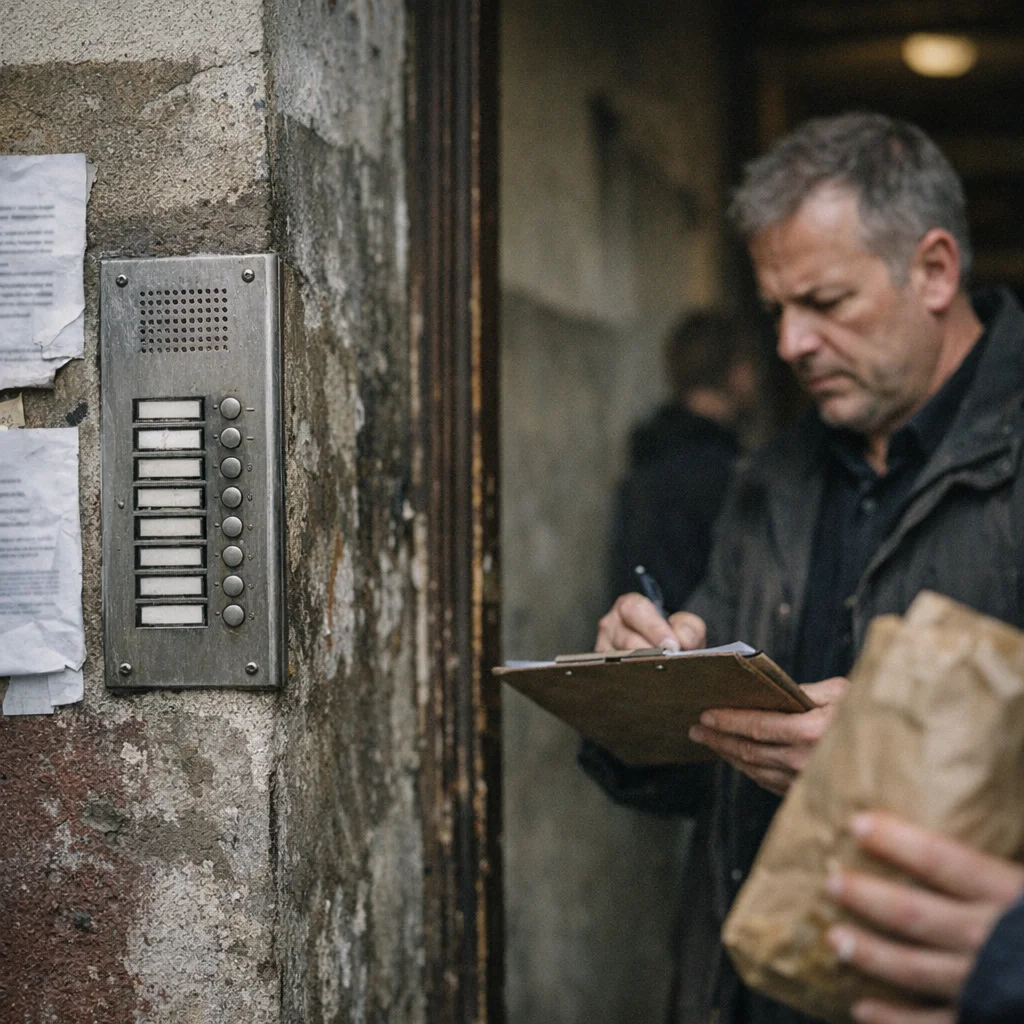
On Monday morning, Rolf Seidel, 43, a freelance “communications consultant” and part-time hallway philosopher, arrived at his usual corner table in Wedding with a mission: defend Gerhard Schröder from “demagoguery,” specifically the latest brawl over how the Süddeutsche Zeitung evaluated the former chancellor.
Seidel had read the Berliner-Zeitung headline, nodded like a man receiving communion, and told anyone within earshot that Berlin was “finally getting a grip” on media hysteria. He wanted a clean, respectable narrative: not Schröder-the-problem, but Schröder-the-misunderstood, merely a complicated man in a complicated world—like every Berliner who’s ever called their chaos “nuance.”
The triggering incident came around mid-morning when Seidel tried to explain it to Yasemin Kaya, who runs a nearby Turkish bakery and was busy doing the radical act of feeding people. “If you need a spreadsheet to decide what to think,” Kaya said, “you already think it. You just want it to sound prettier.”
By early afternoon, mounting pressure from his own social circle—the kind that treats moral certainty like a libido—pushed Seidel into action. He printed a homemade ‘Public Figure Evaluation Form’ and began circulating it in his building: neighbors were invited to rank Schröder on a scale from ‘Statesman’ to ‘Gas-Scented Regret.’
Then the surreal part: the building’s intercom, a battered relic that normally only transmits static and passive aggression, started reading the scores out loud in a calm, museum-audio-guide voice. Every time someone buzzed a delivery upstairs, it recited a new rating.
“Apartment 3B gives him a 6, but requests a backdoor footnote,” the intercom announced, as Seidel stood there with a firm grip on his clipboard and an expression that suggested he was about to climax into civic responsibility.
By evening, the form escaped Schröder entirely. Seidel’s neighbors began rating each other: stairwell manners, stroller parking, ‘how performatively anti-capitalist your outfit is while still looking expensive.’
The turning point hit the next day when building manager Ingo Martens posted a notice: no more ‘ratings’ in communal areas. Seidel tried to appeal. “This is democratic discourse,” he said. Martens replied, “No, it’s Shakespeare’s Julius Caesar with worse hygiene—everyone screaming ‘tyrant’ until it’s their turn at the knife.”
Seidel folded the clipboard like a defeated senator. He says he still wants a fair evaluation of Schröder. He’s just discovered Berlin’s real demagoguery is the private thrill of judging—softly, constantly, and always from a safe distance.
story in development