Rubio’s Silk Road Foreplay in Uzbekistan
The U.S. secretary arrives with more than 200 executives, treating Central Asia like a date that comes with mineral rights, rail routes, and a jealous China in the next booth.
Global Affairs & Kiez Mischief Correspondent
US Secretary of State Marco Rubio’s trip to Uzbekistan is being sold like a serious foreign-policy appointment, the kind with a handshake, a flag pin, and a few carefully groomed men pretending they aren’t there to get chosen. In practice it has the energy of a procurement screening disguised as romance: the delegation shows up in expensive shoes, the hosts straighten their jackets, and everyone behaves as if access to rail corridors, mineral rights, and visas can be won by looking sufficiently available.
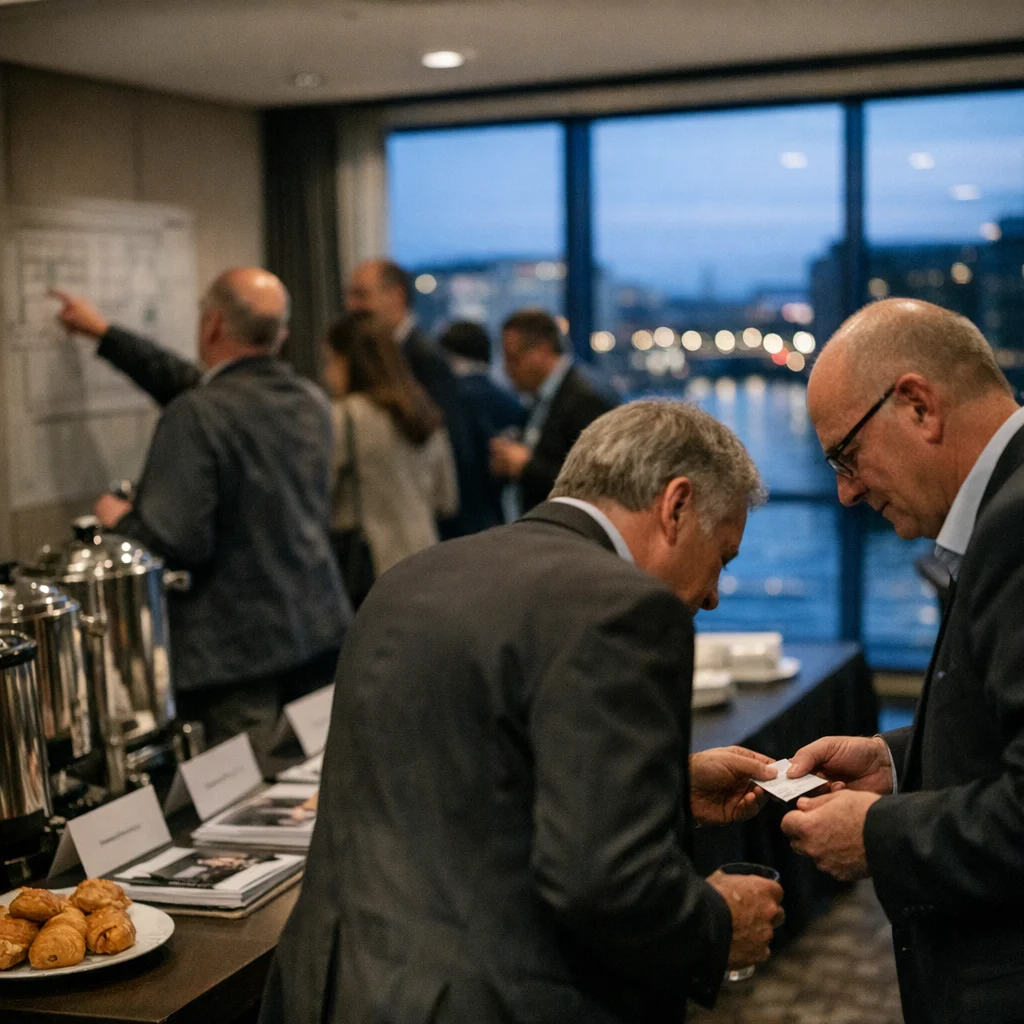
In Berlin this week, the same ritual was happening under fluorescent conference lighting at a hotel near the Spree, where a side event on supply chains and “strategic resilience” filled a room with mineral traders, rail brokers, venture men, and one former diplomat who kept using the phrase “regional dialogue” the way some men use cologne: to suggest depth while hoping nobody asks what exactly they’re masking.
The room did not so much discuss Central Asia as position itself around it. Business cards moved faster than the canapés. Men in navy suits hovered near the coffee like it was a strategic asset. One adviser from a logistics firm said he was “mapping corridor opportunities,” which in the local dialect meant he was trying to get close enough to the map to touch it first. Another executive, from a company that has apparently discovered moral courage in the same spreadsheet that discovered freight rates, spoke about “unlocking bottlenecks” with the glazed confidence of someone certain the lock will open if he keeps pressing.
By the end of the first panel, the room had the unmistakable atmosphere of a predatory interview: everyone spoke about partnership, but the questions were all about who gets access, who gets introduced, and which ministry will be made to feel special before the paperwork lands on its desk. Washington arrives with more than 200 executives and calls it strategy. The people in the room hear the older, uglier version: a line-up of suitors, each one convinced he is the only credible offer, each one carrying a gift basket filled with sanctions language, feasibility studies, and a very expensive expectation.
“America wants to look like the respectable partner,” said Karim N., a consultant who requested anonymity because he has clients in both Washington and Beijing and his conscience is already overbooked. “But it comes in with the full commercial entourage. It’s not diplomacy; it’s a coordinated attempt to get the other side to agree to terms while everyone pretends this is about shared values. Values are just the music playing while the negotiation gets you into the room.”
The locals, of course, know the choreography. In the conference circuit around Berlin, Central Asia is introduced the way men introduce themselves after three drinks: as “dynamic,” “underleveraged,” and “full of potential,” which is usually code for something they want to extract before breakfast. The region is treated like a body that can be praised into compliance. Its rail links are the hips, its minerals the expensive jewelry, its border crossings the places where the hands linger just long enough to test what can be claimed.
At a separate reception in Wedding later that evening, the set dressing became more honest. A speaker from a policy institute stood under a projector that had already begun to hum like an exhausted appliance and described Central Asia as a “rising market corridor.” Nobody laughed because everyone understood that this was the sort of phrase people use when they want to sound clean while describing a very grubby pursuit. Around him, founders nodded with the grave concentration of men hoping to be selected for something they can later call “due diligence.”
A representative from the Senate Department for Economic Affairs, who declined to be named because he had once posted a LinkedIn sermon about ethical supply chains and still fears the screenshot, said Berlin welcomed “stable investment dialogue” while insisting the city was not competing with Washington, Beijing, or Moscow. That was a sweet little performance. Berlin competes with anyone carrying a badge, a budget, and the appetite to call capture “engagement.” It will smile through the whole thing and then invoice the catering.
That is the real local specialty: respectable people renting out their manners to the highest bidder. They talk about diversification, resilience, and strategic autonomy while moving around the room like matchmakers with a commission. Everyone wants to be the one who makes the introduction. Everyone wants to be present when the deal gets serious. Nobody wants to admit that the whole operation depends on being useful enough to stay in the bed and cynical enough to know what is being traded there.
Rubio’s visit may be framed as a contest with Russia and China. The Berlin version strips the language down to what it always was: a queue of polished operators trying to get invited to the same closed-door room, where the corridor is discussed, the terms are softened, and the first one through the door gets to pretend the arrangement was mutual.