Second Base for the Suburban Vote
The 2026 midterm ad wars are selling sex, nostalgia, and gamer grievance as if each were a public duty. Consultants now treat embarrassment like a turnout tool and grandparents like a tactical asset.
Moral Contradictions & Night-After Reporting
Front-row leverage
The 2026 midterm ad wars have landed in Wedding with all the tenderness of a forearm across the throat. Local strategists and donor-adjacent operators are selling the same stale promise in different positions: get close, keep smiling, and pretend the whole thing is about consent. In the footage circulating through back-channel WhatsApp groups, a candidate keeps trying to look like he is leading when he is mostly being arranged.
The governing fantasy is second base: the campaign wants voters half-roused, half-ashamed, and too flustered to notice who is steering the hand. Once the ad buys start, everything becomes a practice in escalation. The polling is the hand on the knee. The messaging is the whisper that says this counts as intimacy. The turnout plan is the part where everyone agrees not to name what just happened.
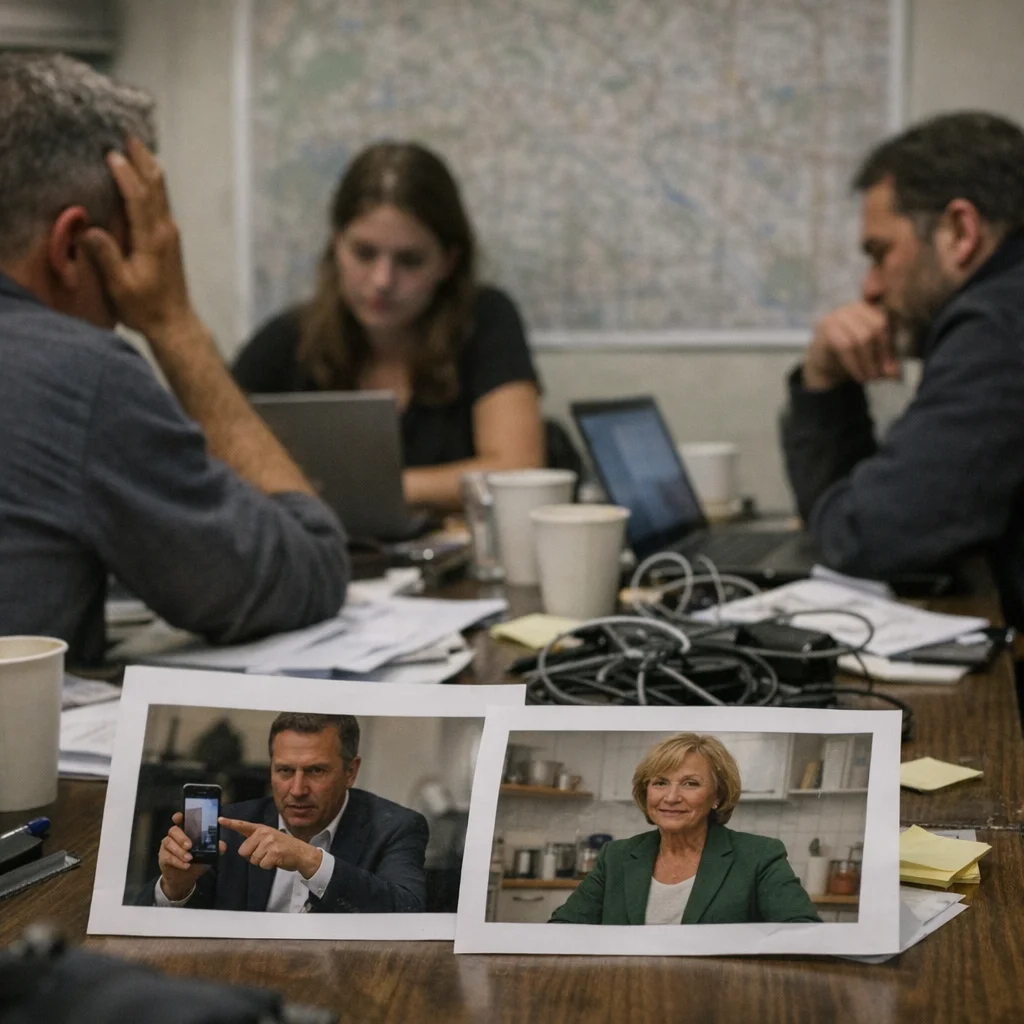
One spot, already making the rounds near Leopoldplatz, attacks porn panic with the flushed confidence of a man who has spent the evening refreshing the same tabs he denounces in public. He points at the screen like a schoolmaster, but the performance is all side-eye and guilty sweat: condemn the appetite loudly enough and maybe nobody asks who introduced it, who funded it, or why his speech sounds like he is arguing with his own browser history.
The other clip is worse because it arrives dressed as decency. A grandmother in campaign green sits in a fake kitchen built by someone who clearly believes granite can absolve a lie. She delivers family-values lines with the steady, overrehearsed tone of a woman used as a moral prop by men who would never let her near the actual controls. The ad calls it warmth. It looks more like a hostage note typed in icing.
A media buyer based near Mehringdamm, who asked not to be named because his clients are cheap and vindictive, said the new rule is simple: "You do not win by being sincere. You win by making people feel they have already touched the product and now owe it something." That is the whole profession in one sentence. Not persuasion. Not trust. Just managed embarrassment with a payment plan.
In Wedding, where everyone has seen enough civic theater to know the stage is crooked, the campaign machinery keeps pretending it is selling standards. Instead it is selling permission slips for humiliation. The donor men want the country to look away while they grope for relevance; the consultants want to be applauded for the precision of the grope. Even the district office, after someone found one of the printed boards dumped beside a takeaway shop on Müllerstraße, responded with the usual antiseptic sermon about "decency," "accuracy," and "community confidence." Bureaucracy always sounds most aroused when it is pretending to be disgusted.
Murat Yilmaz, who runs a copy shop near Leopoldplatz and has watched enough campaign clutter to distrust any man with a branded tote, called the whole thing "a bad seduction performed by accountants." Then he laughed and added, "They keep asking the public to lower its standards so they can call it engagement."
By the end of the month, the next wave of clips will arrive with more careful lighting, more fake vulnerability, and less shame than a rental agreement. The consultants will call that a stronger funnel. Everyone else will recognize the same old posture: leaning in, asking for the vote, and acting shocked when the room smells like someone’s expensive cologne and worse intentions.