Senior Doctor Demands Second Opinion Before Any Prescription
Charité administrators quietly enforce the extra consultation rule that doubles their internal billing while patients in Wedding wait weeks longer for basic medication.
Administrative Grief Correspondent
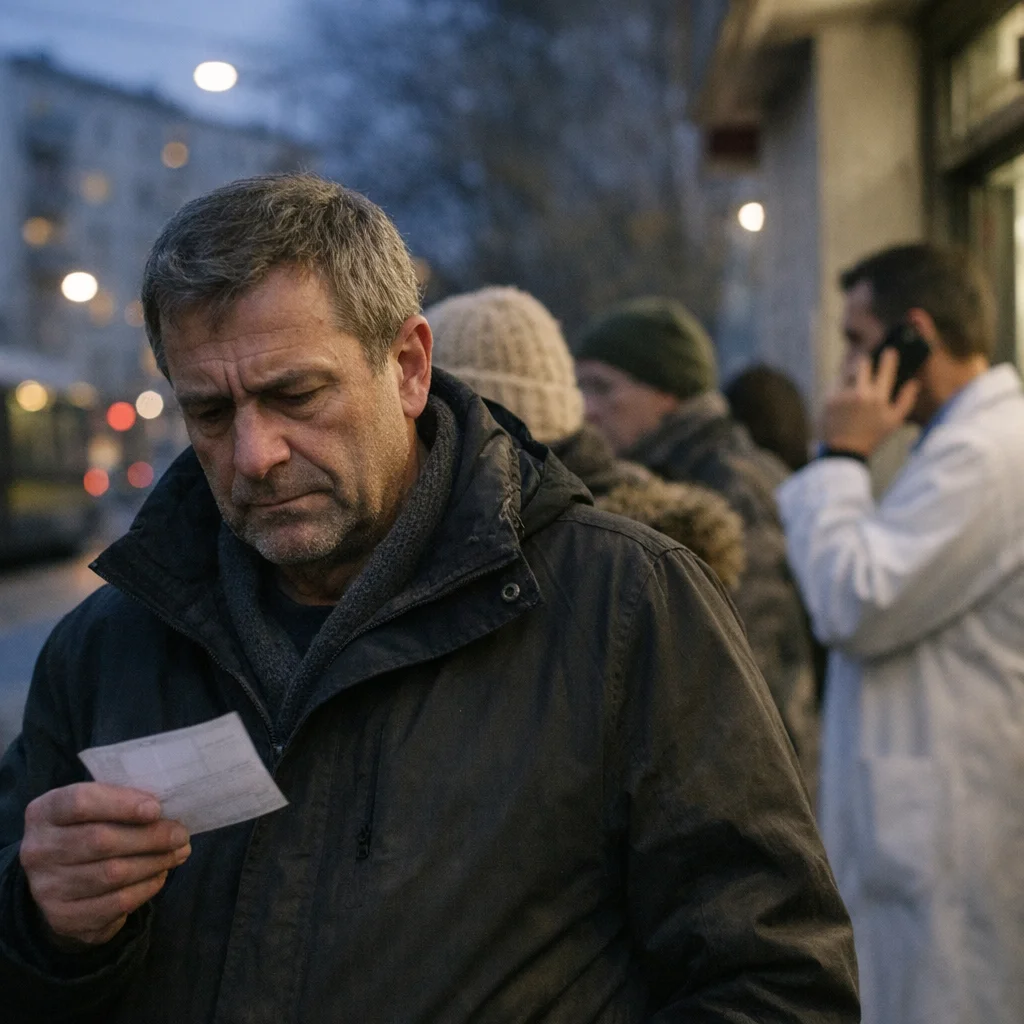
At Charité’s Wedding outposts, the doctor who signs your prescription may now need a second doctor to sign off on the first doctor’s judgment, a tidy little ritual that gives the senior men in the room exactly what they always demand: a second set of hands, a second nod, a second chance to make the whole thing feel deliberate. Medicine, at least here, has been reorganized into a hierarchy where authority asks for backup before it finishes the job.
The rule, enforced quietly by administrators, has slowed routine scripts for antibiotics, inhalers, blood pressure medication, and the small mercies that keep a body upright long enough to make it to work, school, or another waiting room. The official language is all restraint and responsibility; the practical effect is a polished delay machine. One physician gets to perform certainty, another gets paid for blessing it, and the patient gets the same old sermon: wait, return, call later, maybe try again when the system is less busy humiliating you.
The policy arrived with the usual velvet lie: better oversight, fewer errors, more “collegiality.” In reality it created a premium lane for internal billing and a public lane for everyone else. The extra sign-off does not make the medicine more careful so much as more expensive, more hierarchical, and easier to invoice twice. The hospital can call that quality assurance if it wants. It still looks like a senior consultant getting to lean over the shoulder of a younger doctor, adjust the paperwork, and charge for the privilege of being consulted before doing what was obvious in the first place.
Outside one pharmacy near Leopoldplatz, people described the new routine as a moral tax on illness. By early evening, the queue had filled with office workers, construction laborers, and Turkish grandmothers who have no patience left for institutional theater and even less for men in pressed coats pretending that two signatures are a clinical virtue. “They want a second opinion for a sore throat like it’s a constitutional crisis,” said Deniz A., 52, who was waiting for his wife’s refill and asked to be identified only by his first name and last initial because he works in a department that would probably file a complaint if he called them sentimental parasites in public.
A Charité spokesperson said the consultation step was intended to “improve quality assurance” and reduce unnecessary prescriptions. That phrase has the moral density of a parking ticket and the practical warmth of a locked door. Nurses said the burden has landed on them first: more calls, more explanations, more patients who arrive angry and leave angrier, carrying their unfilled scripts like humiliating little diplomas in bureaucracy while the senior staff congratulate themselves on caution.
Pharmacists reported a surge in late-night emergency visits from residents who had already been bounced through one clinic, one phone line, and one “please hold” message before they gave up on dignity and came in after hours. Several said the biggest change was not medical but social: the hospital has turned every prescription into a test of obedience, and the people with the least time are being asked to stand still while the people with the most status enjoy the ceremonial delay. In the end, the same administrators who call it oversight collect the billing, the same senior physicians collect the deference, and everyone else pays for the consultation with time, irritation, and another night of waiting to be taken seriously.
Administrators say the policy will be reviewed next month. Patients in Wedding say that is convenient for the people who get paid while they wait, and for the doctors who can keep asking for a second opinion before they give one of their own.