Setlists for Sale: The Tiny White Box Turning Wedding’s ‘Anti‑Market’ DJ Booths Into Playlist Data Farms
Everyone says the scene resists commodification — until you look under the plywood and read the model number.
Nightlife Contradictions Reporter
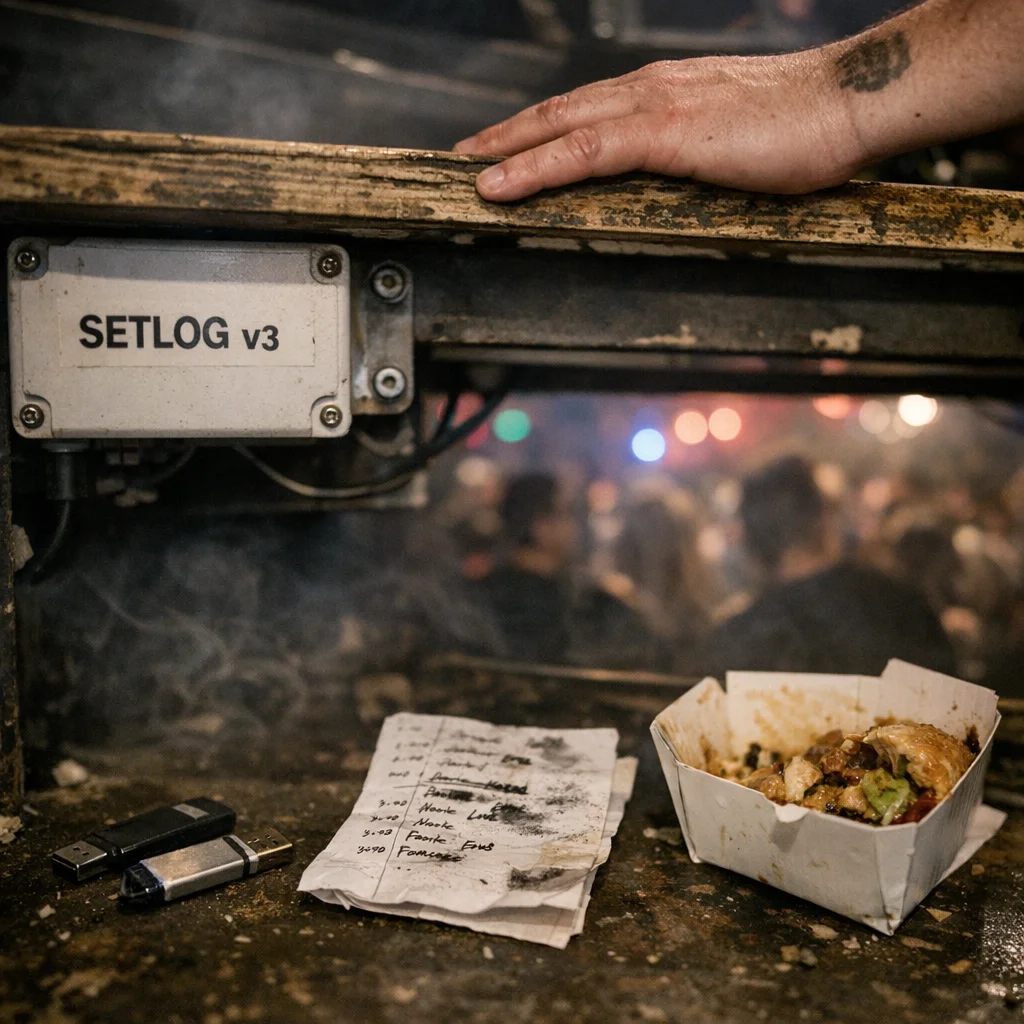
BERLIN — The romantic line is that Wedding sets are anonymous, DIY acts of resistance. Look under the DJ table instead: a glossy, bolt‑on dongle stamped SETLOG v3 that fingerprints USBs and vinyl cues, pings exact play timestamps to a Berlin analytics startup, and sells those “authentic” live moments.
What began as grumbling among DJs about mysterious invoices turned into a mini-investigation when Leyla Kara, a resident DJ at About Blank, wiped the plywood beneath her booth and found the white box screwed into the subframe. “We talk about being anti‑market on flyers and in Instagram captions,” Kara said. “Then you find a piece of hardware that reports every time you go down in BPM. It’s like finding out the commune has a ledger.”
Timeline: a guest set on a rainy Saturday, a bouncer stamping hands with the club’s ink as usual, someone photographing the handwritten cue list — and SETLOG quietly pinging a server with millisecond timestamps. Within 48 hours, playlists derived from those timestamps appeared on curated streaming channels marketed as “raw Wedding bootlegs.” A startup sales rep offered licensing terms.
The tiny model number flips the whole script. The scene’s proud mythology is spontaneity and refusal; the physical fact is a consumer device, a data farm under the plywood turning live improvisation into IP and resalable metrics. That contradiction matters because it lets third parties monetize authenticity while DJs keep shouting “no sponsors” in the bar.
Even more perverse: local dealers, who operate in the loose economy around the clubs, have perfected the opposite promise — human service. “You call, we answer,” said an anonymous courier who asked to be named only as Cem. “If the train’s fucked, we text a new ETA, offer a refund, or leave it at the Späti with a code. No app, no hours in a queue.” He mocked Deutsche Bahn in one breath and praised the club data: “When the drop hits at 3 a.m. and the DJ plays that one peak tune, we already know the crowd will want a delivery. Timing’s everything.” Coming from behind on logistics, dealers are surprisingly punctual.
Club management issued a terse line: a spokesperson said equipment audits are underway and that any undisclosed hardware will be removed. A Deutsche Bahn press officer declined to comment on drug delivery comparisons but emphasized ongoing timetable work.
A Bezirksamt spokeswoman confirmed they’ll inspect commercial partnerships for transparency. The immediate consequence is simple and humiliating: DJs are checking under their tables; promoters are asking for receipts; and a small Berlin company is learning there’s more money in selling the myth of authenticity than in actual music. Meanwhile, the people who traffic in the night’s other commodities are advertising a hotline that, for now, runs with more reliability than the regional rail — and a surprisingly generous refund policy should you finish too quickly.
(Like Debord on a USB stick: spectacle, now with analytics.)