Shovels at the Door: How NYC’s Blizzard Turned ‘Closed’ Restaurants into Shovel‑Only Raves
Officials billed the storm as a catastrophe for dining; one tiny municipal checkbox — 'on‑site snow shovel: yes/no' — let venues trade closure notices for neon handles, and overnight the shovel became a guestlist token.
Nightlife Contradictions Reporter
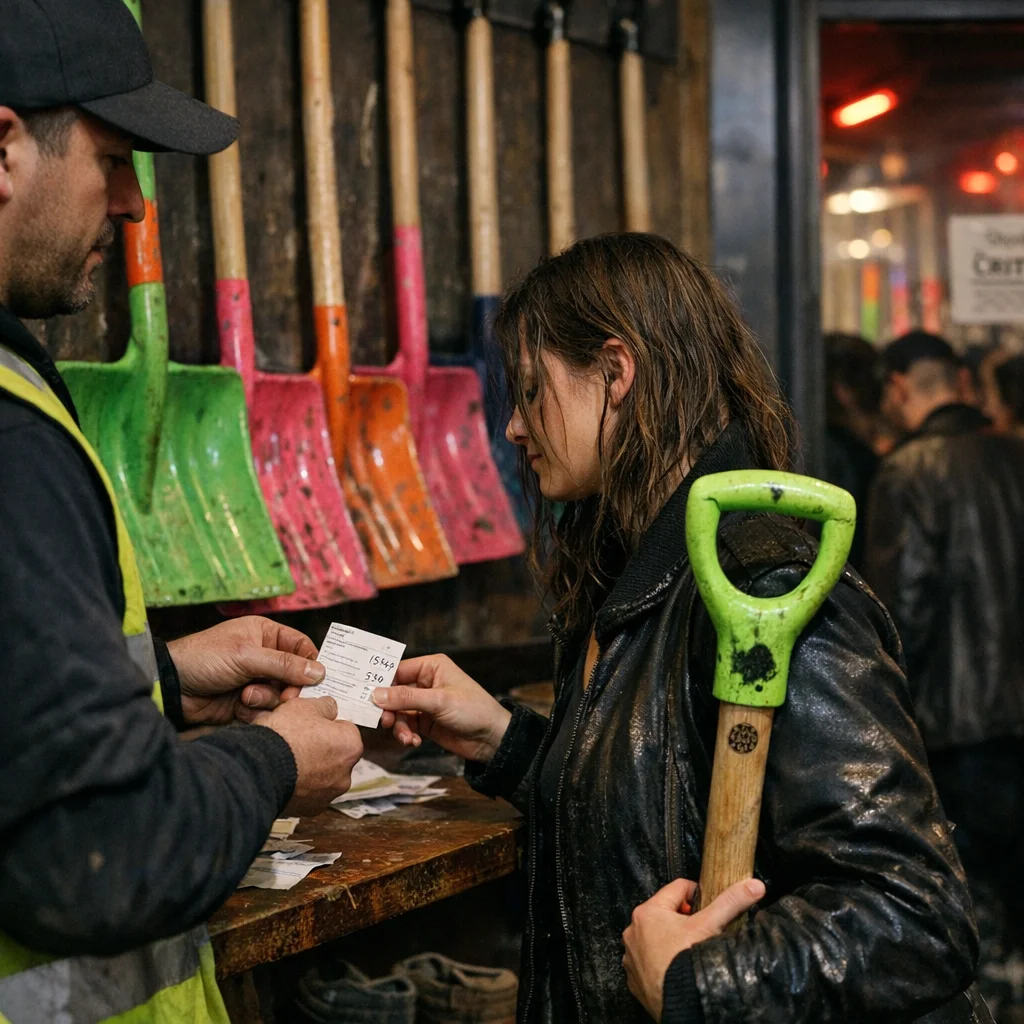
When New York City’s restaurants were told to close for the blizzard, the city’s weather‑closure form quietly required one very specific safety item: an on‑site shovel. What officials billed as a paperwork footnote became, across the Atlantic in Berlin, a new currency for the weekend economy—one that clubs, promoters and after‑party dealers in Wedding have adapted with predictably merciless creativity.
What began as a memeized NYC stunt arrived here Friday evening: promoters scanned the municipal phrasing, noted that the form asks businesses to display a shovel publicly, and treated that visible tool as an admission token. By Saturday night a line snaked past a Späti near Leopoldplatz where neon‑painted metal handles gleamed in shop windows and coat check posted a laminated list: “Shovel owners first.”
“At first I thought it was performance art,” said Lukas Weiß, a promoter who runs long parties that dissolve into Sisyphos‑style marathons. “Then I realized it’s logistics. The city wants proof you can clear snow; we want proof you can survive a five‑day entry process. Same level of commitment.” Weiß said managers bartered ‘snow‑duty’ shifts—sweep for two hours, buy an entry slot—and receipts began doubling as dealer contacts. “You trade a shovel for a shift, a shift for a guestlist spot, a guestlist spot for a number,” he said.
Berlin’s techno DNA made the pivot effortless. Clubs that normally prize ink stamps on the wrist switched to stamping shovel handles—ink as authenticity, not permission. Regulars treated stamped shovels like protective talismans; door staff inspected grips the way Berghain bouncers once inspected shoes. “It’s about a firm grip on the situation,” one bouncer shrugged, turning the handle in his palm.
The contradiction is dry and beautiful: a rule meant to keep businesses off the street in a storm produced a ritual that kept people on the street and inside clubs. Safety paperwork intended to shutter dining became a neon signal to keep partying. People who publicly lamented nightlife excess in the morning were seen at night selling shovel shifts for guestlist points—moral posturing softened by a little cash and a long, cold queue.
The Mitte district office said in a statement that forms are for public safety and “not intended to regulate door policy.” An Ordnungsamt spokeswoman warned venues to comply with closure orders, but acknowledged they cannot police coat check transactions. “If a shovel is on display, it’s because regulations require it,” she said. “If it’s stamped, that’s a cultural thing.”
By Tuesday a handful of revellers emerging from Sisyphos looked at their stamped implements the way Camus described fate: absurd, inevitable, and oddly satisfying. District officials say they will review the form language. Promoters are already drafting a new addendum: “Shovel handles sold separately; deep‑dive into maintenance not included.”
Police presence increased around Leopoldplatz on Wednesday; club managers say it just makes the ritual feel more legitimate. For now the shovels stay visible in windows, coat checks hum, and many who went in Saturday don’t remember their names but can still prove they were there—if only by the ink on a metal handle.