Silicon Diplomacy, Served Lukewarm: Berlin Pitches a “Chip Corridor” and Immediately Drops It Between the Couch Cushions
Inspired by Taiwan’s pledge to build more U.S. chip factories, the capital unveils a plan to manufacture semiconductors locally—right after it finishes manufacturing consensus.
Industry Cosplay & Trade Delusion Correspondent
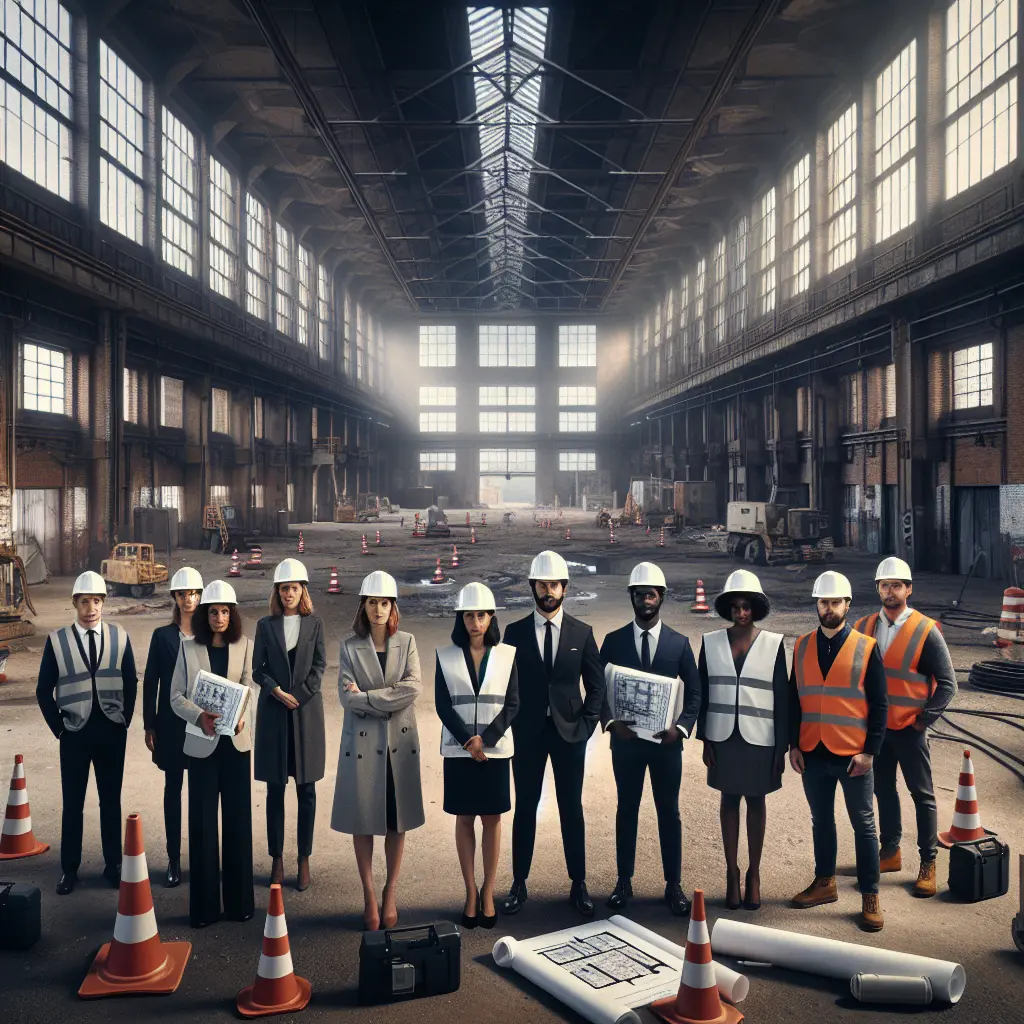
Berlin watched Taiwan cut a trade deal with Trump and promise more U.S. chip factories, and the city’s first reaction was not geopolitical reflection or industrial strategy.
It was envy.
Not the normal envy—like “they have functional infrastructure.” The deeper, more Berlin-specific envy: They got to perform competence in front of a camera.
The New Berlin Dream: Chips You Can’t Eat
Within hours of the headline, a coalition of tech optimists, policy hobbyists, and people who call themselves “builders” despite never assembling IKEA successfully announced the Berlin Chip Corridor—a visionary industrial plan to make semiconductors in the city, allegedly.
The corridor is planned to run from “somewhere near Ostbahnhof” to “a vibe in Moabit,” with an optional extension to “that empty lot nobody can explain.”
“We’re basically Taiwan,” said a man in a fleece vest who looked like he’d been raised by an algorithm. “Except with more culture, less output, and a stronger relationship with brunch.”
Berliners found the comparison hard to swallow, but then again the city has swallowed worse—like €19 cocktails, civic paralysis, and the idea that a popup can substitute for an economy.
Trump, Taiwan, and the Berlin Expat Libido for Supply Chains
Taiwan’s deal—more chips, more factories, more strategic leverage—has been received in Berlin the way people receive new relationship news on Instagram: with performative support and a private spiral.
Expats immediately began flirting with the concept of “industrial policy” like it was a stranger at a wedding after two natural wines: awkwardly, aggressively, and with a lot of talk about “alignment.”
At a coworking space that used to be a shoe store that used to be a squat, attendees hosted a panel titled “From Club Mate to Clean Rooms: Can Berlin Get Its Hands Dirty Again?”
The discussion was billed as a “deep dive into fabrication,” which is also how half the room described their dating lives.
Kafka Would’ve Loved the Permitting Process
If Taiwan can commit to building factories in the U.S. under Trump, surely Berlin can build something too, right?
Sure. If you ignore that Berlin’s permit system is essentially Kafka’s *The Trial* with worse lighting and an app that crashes when you type your name.
A senate spokesperson promised “rapid acceleration” and “streamlined approvals,” which is adorable in the same way it’s adorable when a toddler promises they’ll pay rent.
One official described the planned chip plant as “a lighthouse project.” Another called it “a flagship.” A third asked what a semiconductor is and whether it can be composted.
Foucault’s Panopticon, But for Your Tiny Little Transistors
The proposed sites include former industrial buildings now used for contemporary art installations where you stare at a blank wall and call it healing.
The plan is to convert them into clean rooms—sterile, controlled, surveilled. Which means Berlin will finally achieve what Foucault only dreamed of: a panopticon where the only thing being monitored is whether your hairnet is on straight.
A local artist has already announced a companion exhibit: “Lithography as Trauma: The Body Under Capital.”
It’s not clear if the exhibit will be funded by the city, the EU, or the universal German principle of “someone else’s money, later.”
Baudrillard’s Simulacra, Now With Government Grants
The most Berlin part of the Berlin Chip Corridor is that it may not need to exist in physical reality to be considered a success.
In Baudrillard terms, we’re approaching the purest form of simulacrum: a factory that is mostly a press release, a render, and a LinkedIn post that says “Humbled to announce.”
A startup founder explained that the chips will be “post-material.”
Translation: there will be stickers.
Debord’s Spectacle, Sponsored by a Networking Event
Naturally, the rollout will be a public festival in which nobody actually makes anything. Think Guy Debord’s Society of the Spectacle, except with tote bags and a DJ named something like “Solderboy.”
The event will feature:
- A keynote titled “Geopolitics, But Make It Scalable”
- A “chip tasting” (it’s just Pringles in a lab coat)
- A booth where you can “penetrate the supply chain” (by scanning a QR code that leads to a broken signup form)
The final panel will ask the city’s favorite question: Who is responsible?
And the city’s favorite answer will arrive on schedule: Nobody.
The Wedding Angle: Finally, a Chip That Can’t Be Stolen
In Wedding, residents greeted the chip news with cautious optimism.
Not because they believe Berlin can pull off high-tech manufacturing.
But because if the city builds anything valuable, maybe landlords will finally stop pretending a damp Altbau is “premium.”
One longtime local told me, “If they build a chip factory here, maybe my building will stop acting like a wet sponge with a doorbell.”
Meanwhile, a Späti owner asked the only honest question anyone’s asked all week: “Can I sell it cold?”
A Modest Forecast
Taiwan’s bet is strategic: more factories, more leverage, more bargaining power.
Berlin’s bet is spiritual: if we say “innovation ecosystem” enough times, the universe will manifest a wafer.
Still, hope springs eternal—especially when it’s subsidized.
And if the Chip Corridor collapses under stiff resistance from reality, there’s always a backup plan: turn the empty factory site into a gallery called “Semiconductor Mourning” and charge €18 at the door for the privilege of feeling something.
That, at least, is a Berlin industry with proven output.