Sisyphos Wins Europe: Berghain’s Ego Files for Mercy
Time Out has crowned Sisyphos the continent’s best club, and the rest of Berlin is reacting like a city that just learned the wrong velvet rope got the fame.
Nightlife Etiquette & Status Rituals Correspondent
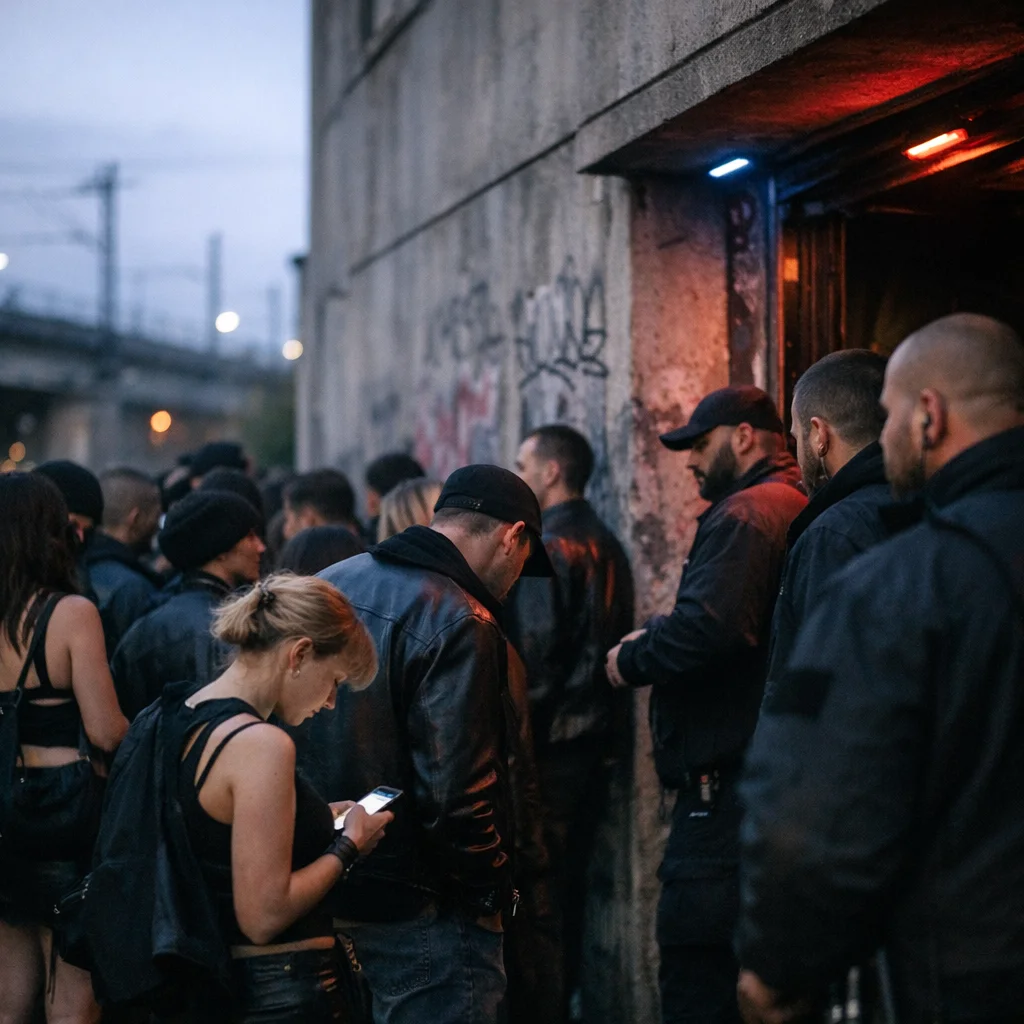
Sisyphos’s new crown as Europe’s best club landed in Berlin on Tuesday with the kind of civic composure usually reserved for a raid or a breakup: everyone pretending they were not hurt, while secretly checking who got chosen, who got left outside, and who was touched first by the city’s latest badge of desirability.
In Rummelsburg, the club’s devotees behaved like they had won a public service announcement about appetite. Berghain regulars reacted like a cathedral had been stripped of its miracle and left with the donation box. The ranking, which placed Sisyphos ahead of Shelter in Amsterdam and UNVRS in Ibiza, did not merely shuffle nightlife prestige. It changed who gets to be the one doing the choosing, and who has to stand in line pretending that being inspected is the same thing as being desired.
That is Berlin’s favorite foreplay: the door as tribunal, the guest list as consent form, the wristband as a souvenir of submission. The city likes to dress power up as chemistry, then call the whole arrangement liberated because the bouncer is wearing a black T-shirt and not a tie. At Sisyphos, the room may be rougher around the edges than Berghain’s polished coldness, but the logic is identical: a crowd trained to crave access, to perform restraint, and to treat being admitted as proof of virtue rather than evidence of a very expensive appetite.
By late morning, a line had already formed outside the Rummelsburg compound, full of people trying to look as if they were not waiting to be admitted into someone else’s fantasy. A man in a vintage work jacket called the club “less judgmental,” which in Berlin usually means the judgment has simply been moved from the door to the body. A woman from Neukölln said she preferred Sisyphos because “the crowd is warmer,” then admitted she had spent 40 minutes deciding whether her black top looked needy enough to pass as effortless.
The ranking also exposed the city’s most durable kink: moral hierarchy in nightclub lighting. Berghain loyalists complained that rankings flatten the scene into tourism with a bassline, which is rich coming from a place that built its identity on making people beg to be ignored. Sisyphos devotees, meanwhile, celebrated the result as proof that the proper order had been restored, which is what Berliners say when the new master is merely better at making the old humiliation feel consensual.
A spokesperson for the Club Commission welcomed the result and said Berlin’s reputation still rests on “diversity, experimentation, and openness,” a phrase with the same erotic honesty as a hotel brochure and the same political function as a visa stamp. Nearby venue managers were less decorative. One operator, speaking anonymously because his own guest list had become an indictment, called the ranking “a win for everybody who likes to cosplay as working class after midnight while being evaluated by the same private court.”
The real humiliation is not that Sisyphos beat Berghain. It is that Berlin keeps rewarding the clubs that are best at turning access into arousal, exclusion into status, and submission into taste. The city’s nightlife class has spent years pretending that the door is a moral instrument when it is really a machine for sorting bodies into winners and supplicants, then selling the feeling back as culture. Sisyphos did not invent that system; it simply got crowned for servicing it with a little less perfume.
By next weekend, the same people will be back outside the same gates, adjusting their faces, tightening their clothes, and rehearsing the old prayer: let me in, let me be chosen, let me mistake the refusal for sophistication. Berlin will call that scene freedom again, because it always does when the hand on the latch changes but the pressure never leaves.