“Social Skills Are the Secret to Happiness,” Announces Study; Berliners Respond by Perfecting the Art of Not Responding
Across the city, residents practice radical friendliness by reposting etiquette infographics and then ghosting everyone who tries to speak to them in real life.
Social Friction & Public Etiquette Correspondent
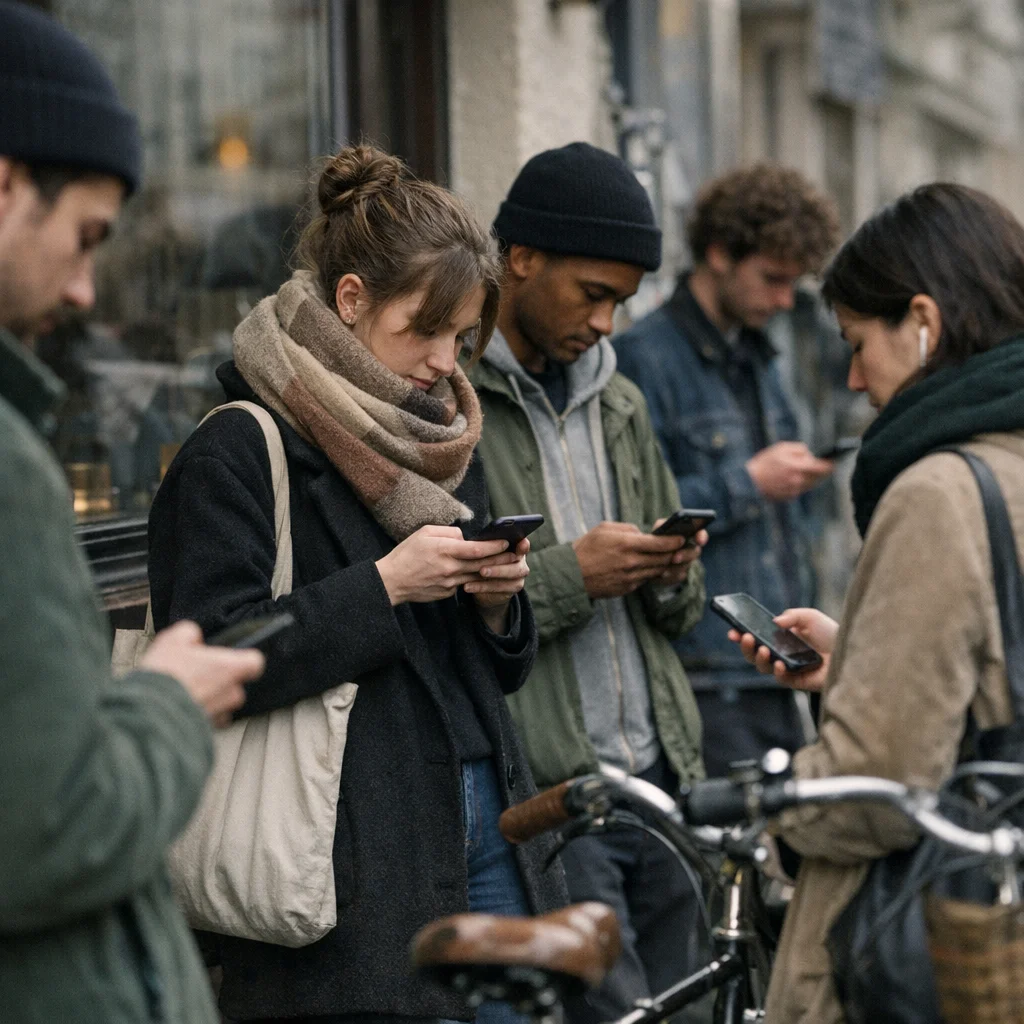
A recent report—"social skills might be the secret to happiness"—hit Berlin the way a self-help book hits a coffee table: loudly purchased, tastefully displayed, and never opened in front of guests.
Berliners, who have long treated conversation as a suspicious foreign import, are now rebranding basic human warmth as a kind of premium craft. Saying hello has become a workshop. Asking a follow-up question is a “practice.” Eye contact is still allowed, but only if it’s framed as performance art.
The New Soft-Skill Arms Race
In response to the study, several residents have started what they call “micro-interactions,” a concept in which you briefly acknowledge another person’s existence and then retreat before any feelings can stick.
One man with an immaculate tote bag and the emotional availability of a parking ticket described his new routine: “I’ve started nodding at my neighbors. Not every time. I don’t want to rush intimacy.”
Meanwhile, a longtime Turkish shop owner reacted with the calm superiority of someone who has been doing social skills since before it had an English name. “We’ve been asking ‘How is your mother?’ for decades,” he said, watching a newcomer fumble through a three-minute apology for needing change. “Now they want a certificate for it.”
Communication, But Make It Bureaucratic
The most Berlin solution has been to outsource social competence to systems.
Residents have begun scheduling friendships the way they schedule anything else: with a calendar link, a reminder email, and a vague sense of dread. One group reportedly introduced a “two-step verification” hangout: you confirm you still like each other, then you confirm you still like the concept of leaving the house.
It’s very Jürgen Habermas: everyone claims to want a public sphere, but only if the discourse comes with decent lighting, a firm agenda, and a safe word.
Happiness With a Handshake, If You Can Find One
The study’s message is simple: connect with people and you’ll feel better. Berlin’s response is also simple: connect, but keep your hands where we can see them.
So the city is trying social skills the way it tries everything—carefully, self-consciously, and with a tight grip on the narrative. It’s a long entry process into basic decency, and many are pulling back the moment it starts to feel… satisfying.
In the end, Berliners may achieve happiness through social skills. Or, more likely, they’ll achieve the next best thing: a beautifully worded message explaining why they can’t make it.