Song Requests at 4 a.m., Morality at 8
A new kind of nightlife professionalism is infecting the techno haze: promoters, DJs, and self-appointed harm-reduction adults are trying to run the scene like a startup with consent stickers.
Nightlife Etiquette & Status Rituals Correspondent
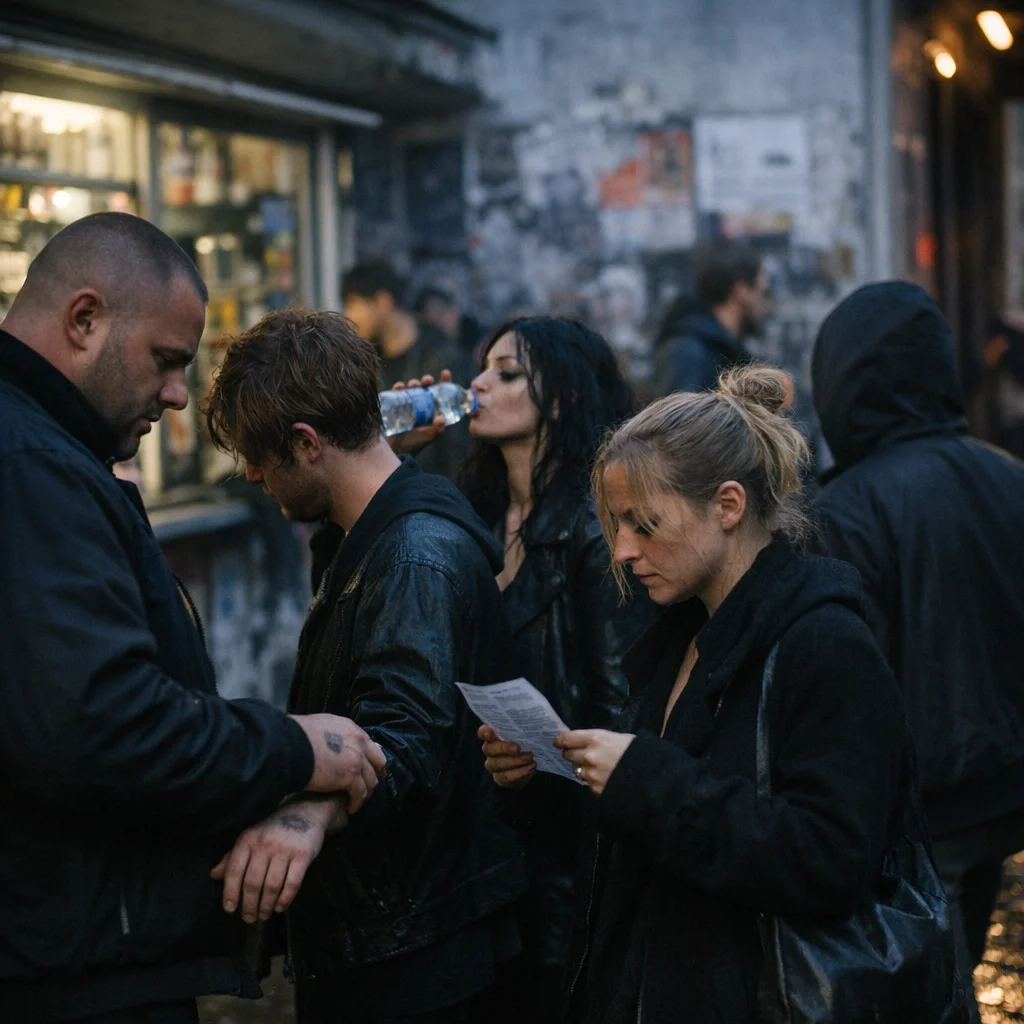
The club wants a code of conduct; the crowd wants a confession booth
By the time the first request for a “softer opening track” came through the booth at a Wedding club on Friday night, the room had already done what Berlin nightlife does best: mixed glamour, exhaustion, ketamine breath, sweat, and bad ideas into one sweating civic casserole. By sunrise, the same crowd would be begging for harm-reduction language, accessibility graphics, and a trauma-aware hotline. By lunchtime they’d be back at the door, pissed that the stamp was crooked and their dignity had not been personally validated by security.
This is the new professional class of the after-dark scene: grant-funded harm-reduction entrepreneurs, boutique promoters with municipal accents, NGO-adjacent scene managers, and the freelance saints who think a laminated consent card is the same thing as ethics. They do not want a night out. They want a soft dictatorship with better font choices. They want the bass to sound dangerous while the paperwork smells like lavender and public money.
At the club, a promoter named Leni M., who asked not to be named because she is “trying to protect the project from my own friends,” said the pressure comes from guests who arrive dressed like funeral extras, act spiritually bankrupt, and then expect bedside manners once the kick drum starts rattling their ribs. “They want the chaos intact, but they also want a receipt for every bruise,” she said. “It’s very Foucault, but with a tote bag and a free water station.”
Inside, the requests kept coming. One man wanted a faster transition because “the set was losing narrative coherence,” which is a hilarious thing to say while your pupils are the size of sewer grates. A woman in sunglasses that never saw daylight asked where the safer-use guidance was posted, then spent twenty minutes filming everyone except the part of herself that had clearly not slept since Thursday and was now leaking confidence through her mascara. A DJ from another part of the city complained that the crowd behaves like it is commissioning a municipal orchestra and a babysitter in the same breath.
The kiosks outside were having their own little afterlife. Cigarettes, water, and overconfident opinions moved over the counter with the solemnity of parish sacraments. At the corner kiosk near Müllerstraße, the cashier said the 4 a.m. crowd comes in with the emotional hunger of lost royalty and the patience of tax auditors, then gets huffy if the refrigerator light exposes the exact shape of their collapse. “They want me to sell them an energy drink and a conscience,” he said. “They get annoyed when I only have one of those.”
By Sunday, the moral cleanup began, because of course it did. Posters about respect appeared beside stickers for afterparties, the way perfume gets sprayed over a dead room. A harm-reduction group arrived with pamphlets, scissors, and the tight smiles of people trying to civilize a grease fire without getting the grease on their shoes. Someone from the district office, speaking on condition of anonymity because his sister still thinks he volunteers at the library, said the neighborhood keeps outsourcing consequences to whoever is still awake and too polite to say no.
Wedding is especially good at this kind of civic hypocrisy because the whole district runs on visible compromise. The tram clanks past exhausted club kids, kebab smoke, bureaucratic patience, and the kind of men who can explain safer spaces while stepping over a sleeping body like it’s a rain puddle. Nobody wants the mess gone. They want it managed by someone nicer-looking than themselves. They want the room hot, wet, and permissive, but also scrubbed clean of the shame they brought in under their coats.
That is the trick, of course: everyone wants the night to stay filthy enough to feel alive and sanitized enough to survive the morning. They want Debord with a better logo. They want the thrill without the spill, the sweat without the stink, the come-on without the come-down, the ride without the crash. Berlin has never lacked appetite; it just keeps dressing hunger up as ethics, then asking for praise while it gropes the minibar.
By Monday, the club will still be open on paper, the kiosk will still be selling regret in paper cups, and the crowd will still be insisting that the scene needs more care. It does. Just not from the people who arrive looking for absolution with their stamp still wet and their moral underwear hanging off one ankle.