Stefan’s Protection Racket Went Plant-Based, and Somehow It Costs More
As organized crime modernizes, longtime enforcers complain they’re being priced out by softer threats, cleaner branding, and a subscription model with a cancelation fee.
Cash Economy & Respectability Reporter
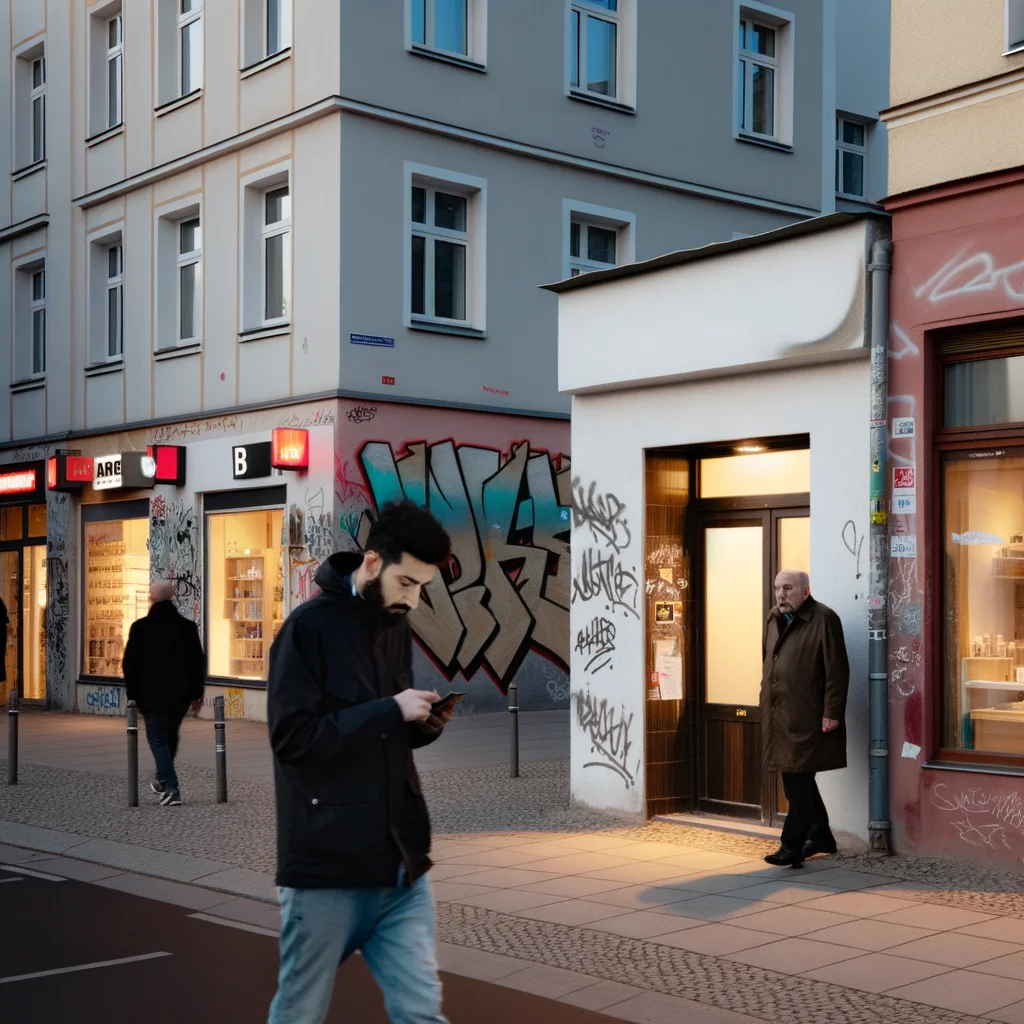
There are two ways you can tell Wedding has changed.
One: your old Turkish bakery closes and reopens as a “single-origin crumb atelier” that sells a roll so dry it should come with a citation from the fire department.
Two: your local protection racket sends you a welcome email.
The Old Model: A Handshake and a Hard-to-Swallow Reality
For decades, the neighborhood’s unofficial economy was refreshingly analog. A man with too much confidence and not enough moisturizer would appear at your storefront, make polite eye contact, and introduce you to the timeless civic principle: paying extra so problems don’t happen.
It was crude, yes—but it was also honest. Like early noir. Like a Brecht play with worse lighting.
Now? Now it’s "community safety".
The New Model: Premium Crime With a Logo
This month, multiple small businesses near U6 stops reported a new kind of visit: friendly, efficient, and horrifying in that polite way that suggests a spreadsheet is involved.
Instead of “You got a nice shop,” the pitch is:
- “We help mitigate storefront volatility.”
- “We offer 24/7 escalation pathways.”
- “Think of it as a resilience partnership.”
One florist described it as “getting robbed by someone who’s read two startup books and won’t stop saying ‘scale.’”
You’re not being threatened. You’re being onboarded.
And yes, there’s a pricing tier.
The starter plan includes:
- Occasional “walk-bys” (just enough presence to keep your stomach tight)
- Basic anti-graffiti “monitoring” (meaning: fewer murals you didn’t ask for)
- Light dispute mediation (two men staring silently until one blinks)
The premium plan promises “rapid response.” Several merchants noted the response felt “stiff,” but extremely punctual.
Crime Gentrification: When the Shakedown Gets a UX Team
Longtime operators aren’t thrilled either. According to one man who introduced himself only as “Stefan” (which, statistically, means he’s either lying or painfully sincere), the neighborhood is seeing “new entrants” with “better optics.”
“They don’t even knock now,” Stefan complained. “They message first. Like a date.”
This is what gentrification does: it doesn’t replace your reality, it just changes the font.
The new crews—whether you call them clans, networks, or "multigenerational entrepreneurship"—are polishing the mess. A protection request that once came in cigarette smoke now arrives wrapped in corporate freshness and a clean white sneaker.
One café owner, who recently replaced his Turkish neighbors’ late-night convenience shop with an all-day kombucha situation, said he feels “conflicted.”
“I don’t like supporting criminality,” he said, standing under minimalist pendant lights that looked like they’d been stolen from an IKEA display after dark. “But I do like predictable billing.”
Karl Marx called this alienation. In Wedding, it’s called “AutoPay.”
The Cultural Collision: Döner Time vs. Demo Day Extortion
This isn’t a morality play where old is pure and new is evil. The old system was brutal and petty.
But at least it had local flavor. There’s a difference between being threatened by someone who knows your cousin and being threatened by someone who offers you a “feedback loop.”
A Turkish grocer on a side street summarized the shift more poetically:
“Before, they took cash. Now they take dignity and ask you to rate the experience.”
When asked whether he would ever sign up for the new subscription protection, he shrugged.
“Look,” he said. “I’m not paying 149 euros a month so a man named Felix can ‘hold space’ for my fear.”
The Beige Future of Violence
A neighborhood watcher I spoke to (the kind of person who believes street life can be understood through coffee purchases) compared the transformation to Michel Foucault’s idea of discipline: power gets quieter, more organized, and easier to internalize.
Which is one way of saying: you don’t get jumped in an alley. You get a calendar invite.
Even the threats have upgraded.
Instead of “accidents,” businesses report warnings like:
- “It would be unfortunate if your permits got complicated.”
- “You don’t want reputational disruption.”
- “Are you sure your insurance would cover everything?”
Crime, like real estate, has discovered that ambiguity sells.
What Residents Can Expect Next
Based on current trends, sources predict the following developments in the next 6–12 months:
- A pop-up “restorative justice” circle that functions as an extortion booth with better chairs.
- A loyalty stamp card (“Pay for 9 months, the 10th month we don’t smash anything—free!”).
- A rebrand from “protection” to “Neighborhood Experience Assurance.”
If you think this sounds ridiculous, you haven’t been paying attention. Wedding is where the future arrives early—usually poorly ventilated, slightly overpriced, and pretending it’s harmless.
And if you’re a small business owner reading this: remember, you’re not being forced.
You’re simply being invited to enter a long-term relationship—with clearly defined deliverables and just enough tension to keep things interesting.
Consider it a deep dive into community safety. Penetrating, holistic, and—like everything else now—painfully optimized.