Syrer Leave As Fast As They Arrive And Still Get Protection
Federal officials admit nearly equal outflows and inflows of Syrian nationals yet refuse to revise asylum, residency, or voluntary return rules that keep the revolving door spinning at taxpayer expense.
Micro-Diplomacy & Sidewalk Power Reporter
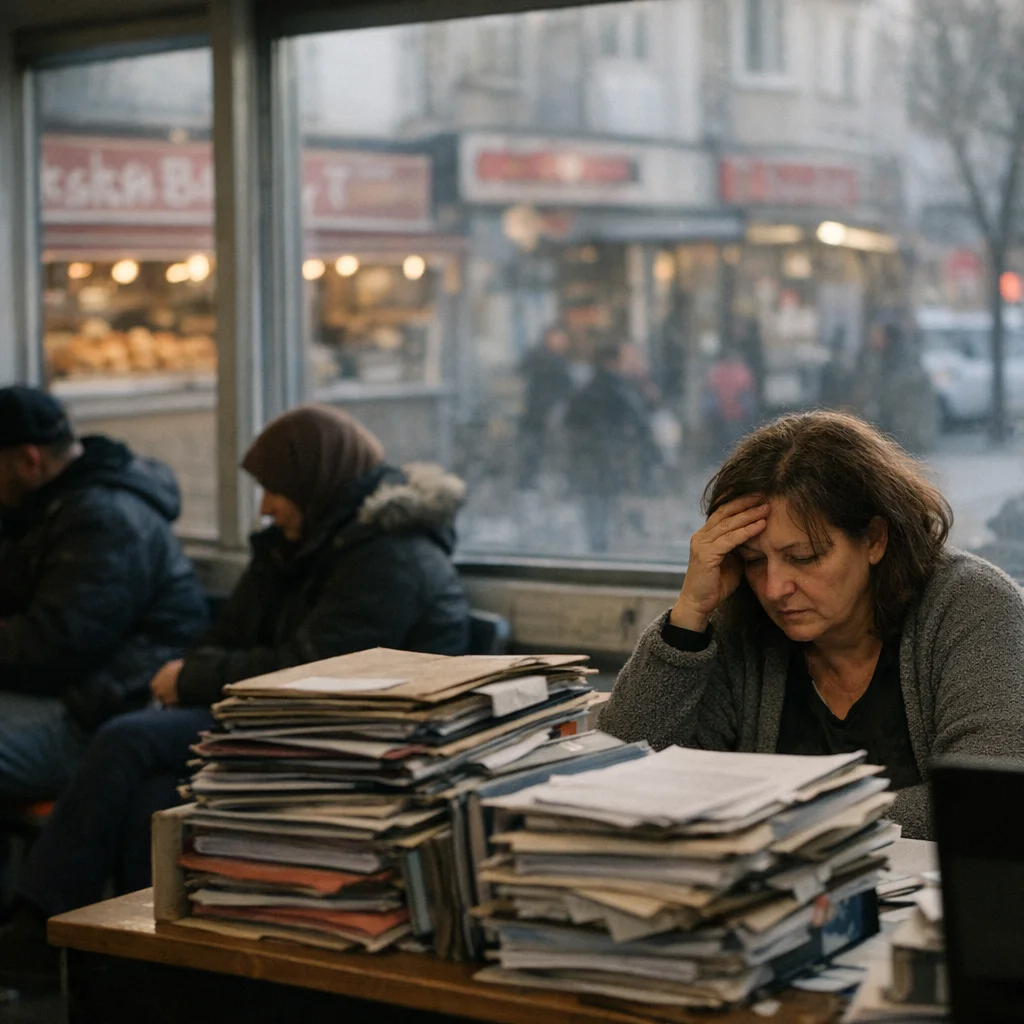
The File Nobody Wants to Finish
Around noon on Monday, a caseworker in a federal migration office near the Spree described the Syrian file the way a tired adult describes a relationship that should have ended months ago: everyone keeps showing up, everyone keeps being handled, and nobody in charge seems interested in the moment of decision. The latest figures show nearly as many Syrian nationals leaving Germany as arriving, yet the system built around them still behaves like a padded room with a reception desk.
In Wedding, where Turkish grocers, Syrian bakers, and overfed state offices share the same streets like people trapped in a queue they did not choose, the numbers landed with the flat sound of something expensive and unnecessary hitting tile. On Müllerstraße, a bakery owner from Aleppo said he now hears more questions about onward buses and paperwork than about rent or work. “They arrive, they get processed, they wait, and then half of them are gone before the forms have even learned their names,” said Rami Hassan, who runs a small bakery and requested anonymity because the landlord, the district office, and half the neighborhood all seem to know each other’s birthdays.
The Interior Ministry’s response was the usual administrative sedative: monitor the movement, review the return support, reassess the residence status, keep the protection rules under observation. That is the language of people who would rather caress a failure than admit it has gone soft in their hands. Berlin loves this arrangement because it lets everyone keep their distance while pretending to be close. The ministry gets to look responsible, the NGOs get to invoice another round of “orientation,” the consultants get to host another workshop with laminated slides, and the politicians get to speak of dignity without ever being forced to touch the mess their own rules created.
The more obscene detail is how useful the uncertainty remains. A protected Syrian is a line item, a departing Syrian is a statistical inconvenience, and the space between those two states is where the whole professional class feeds. There are caseworkers paid to keep the queue moving, advocates paid to argue that the queue must never move too fast, contractors paid to translate the queue into grants, and integration managers paid to explain why the queue is, in fact, a sign of compassion. No one in that ecosystem is rewarded for finishing anything. The delay is the product; the waiting room is the business model; the body in the middle is just what gets passed around while everyone keeps their hands clean.
By late afternoon near Leopoldplatz, the neighborhood had settled into the kind of exhaustion that comes from watching officials confuse motion with progress. One resident put it plainly: “If people are leaving almost as quickly as they arrive, maybe the system is not protecting them. Maybe it is just keeping them available.” That was the nearest anyone came to honesty. The rulebook still needs defending, the categories still need feeding, and the revolving door still has enough lubricated hands on it to keep spinning long after the people inside have stopped waiting.