Tap to Enter: Wedding’s ‘Free’ Dignity Toilets Only Open If Your Coffee Does the Talking
The city framed the stainless‑steel cubicles as a public good — a 2‑centimeter NFC sticker and a receipt‑only complaint form quietly turned them into a perk for paying customers and advertisers.
By Lena Veneer
Gentrification & Cultural Displacement Correspondent
BERLIN — When the story about the great Neukölln exodus first settled into polite despair — artists priced out of Kreuzberg and Neukölln, decamped in droves for cheaper studios in Wedding — the official narrative read like a migration of bohemians reclaiming authentic space. What arrived instead was a lesson in how scarcity breeds new gatekeeping.
The city installed a bank of stainless-steel "dignity" toilets along a busy Wedding strip as a public good last autumn. The ribbon was cut, the press release promised universal access, and everyone nodded about social infrastructure. Two months later the doors stayed shut for anyone who hadn’t bought a flat-white nearby.
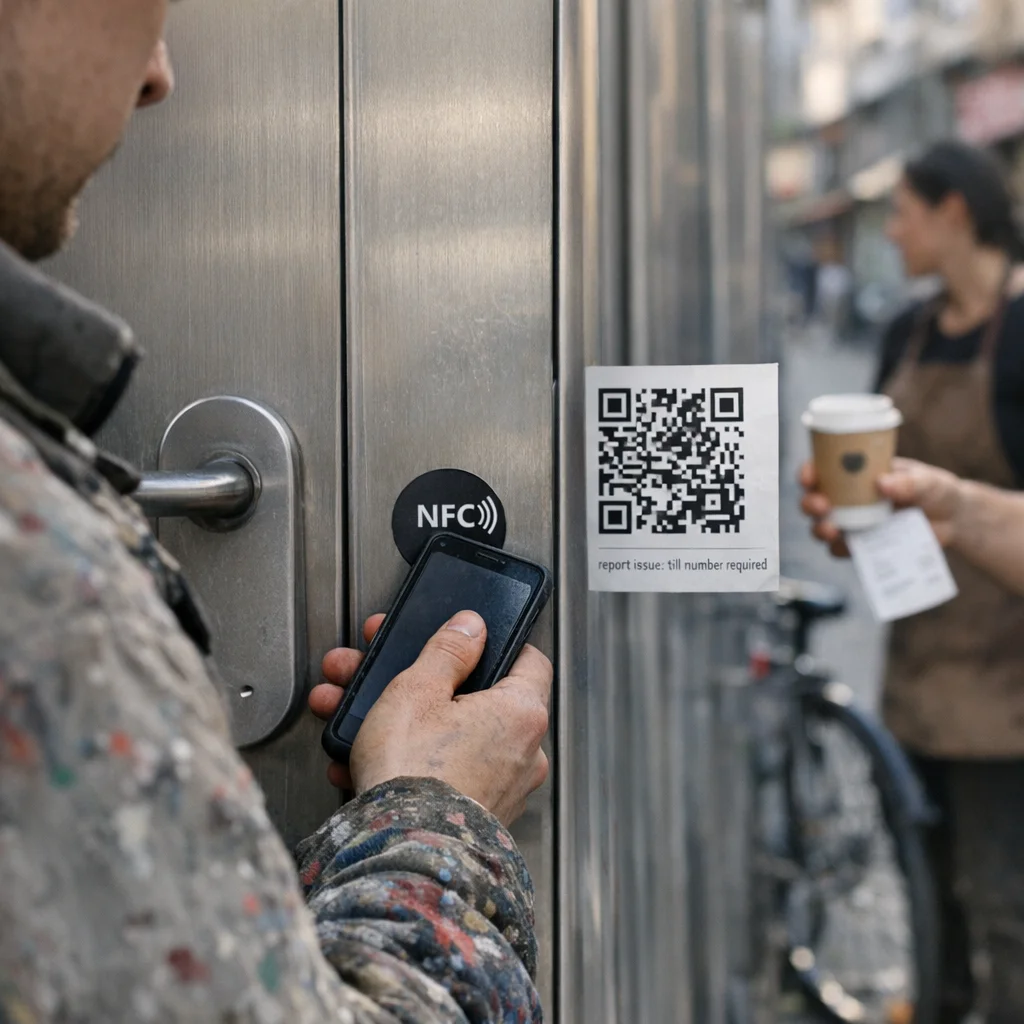
A two-centimeter NFC sticker, stuck low beside the handle, is the secret handshake. The sensor accepts the same loyalty tokens sold by three local cafés; the QR code to report a jam asks for a till number and prints a receipt-only complaint form. In practice, free relief now requires coffee money and proof you paid for it.
"I moved here from Neukölln because I thought I'd escaped the invisible velvet rope," said Aylin Demir, 34, a painter whose new studio is two blocks from the cubicles. "Now I have to buy a coffee just to pee between painting sessions. This is not cheap living; it's a coffee-card economy. It’s hard to focus when basic bodily functions have a purchase option."
The small gesture that flips the story is painfully literal: a civic amenity rebranded as a customer perk. Where publicness once meant a neutral threshold, the sticker turns access into a branded intimacy — a tiny consumable that keeps certain bodies out unless they can prove consumption.
KaffeeKollektiv, the café consortium behind the sticker program, defended the setup. "Maintenance costs must be covered," said spokesman Jonas Reiter. "The loyalty sticker is simply a technical solution to reduce vandalism and ensure cleanliness." Bezirksamt Mitte-North, which signed the contract, said it was a pilot to "incentivize responsible use" and promised an audit.
Critics call it something less polite. "This is Foucault meets a loyalty app," said Dr. Helga Weiss, an urban sociologist. "We thought artists were seeking autonomy; they found micro-commodified publicness. Walter Benjamin would have spilt his coffee." The comparison stings because it lands: arcades replaced by payment loops.
Artists have begun organising citizen taps — a swap economy of stamped receipts and barista IOUs — and there are murmurs of another move. The Bezirksamt says it will review the partnership next month. Until then, painters are deciding whether to pay for relief, hack the stickers, or carry empty coffee cups as admission. The exodus looks less like a creative rebirth and more like a series of lateral evictions into a landscape that charges for privacy and calls it civic innovation.