Tear Here to Invoice: How Wedding’s ‘Volunteer’ Clean‑Ups Bill the City by the Glove
The council applauds grassroots stewardship; the little perforated stubs stapled to every pair of gloves reveal the real goal: proof‑of‑participation invoices and a tiny market in municipal cleanup credits.
Nighttime Sanitation Correspondent
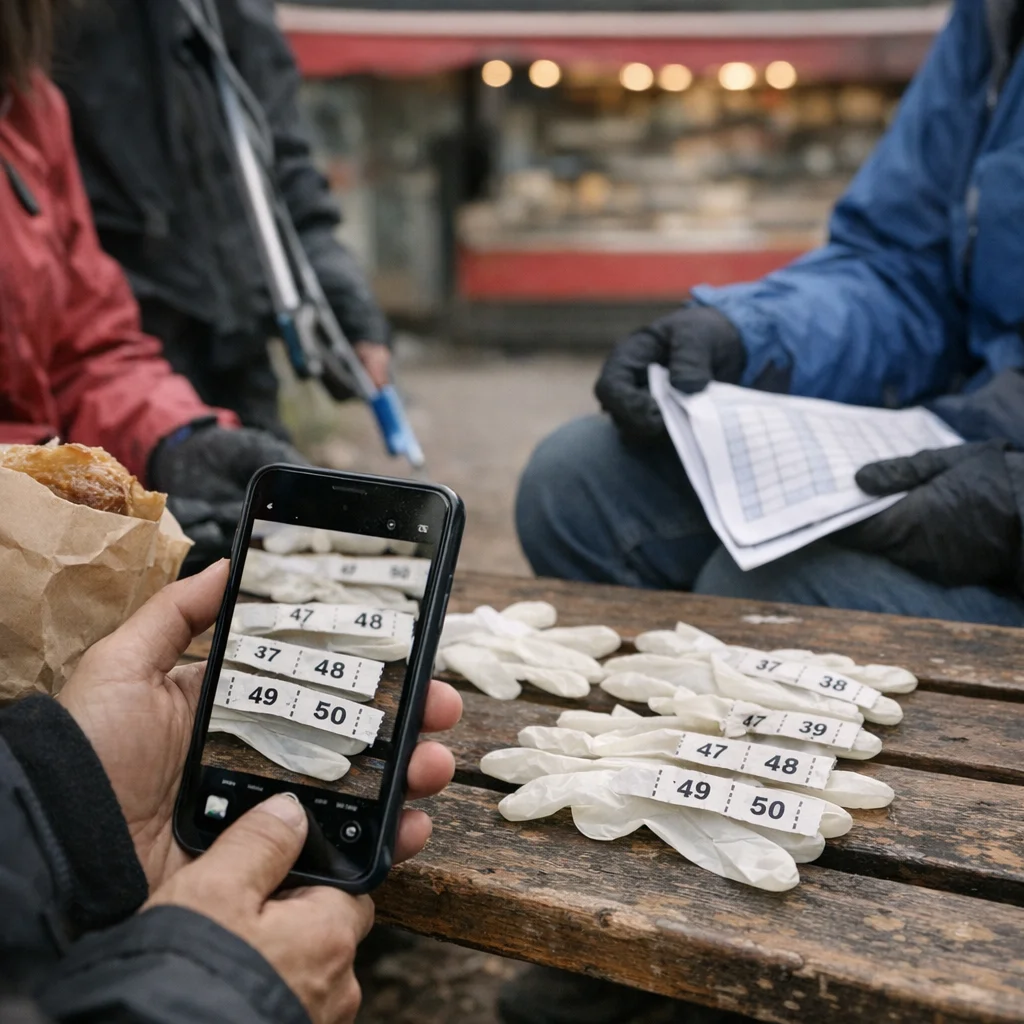
Everyone frames the Saturday pick‑ups in Wedding as neighbourly stewardship: friends in windbreakers, Turkish bakery coffee, kids learning tidy civic habits. What you notice if you watch the choreography closely is far less wholesome — a tiny commerce stitched into the ritual. Organisers hand out bright latex gloves with numbered, perforated tabs stapled at the wrist. Volunteers tear off a stub, line them up in front of a phone camera, and upload a spreadsheet labeled “Belege.” The tabs become receipts; the receipts become invoices to the district; the invoices become a municipal line item called “community credits.”
The small, physical fact that flips the story is that the same faces who declared themselves “out sick” all week — the person who emailed from “home” complaining about a fever and the colleague who sent a sympathy Slack emoji — show up on Sunday with fresh brunch recommendations and a neat stack of photographed stubs. “We had a team member on sick leave,” admitted Ayşe Demir, who coordinates volunteer rotas for a local NGO. “They were back for the clean‑up. They sent in the stub photos and the NGO invoiced the council for twenty stubs.” Demir shrugged. “People are allowed to be sick and civic at the same time.”
What looks like civic pride functions like bookkeeping. Each perforated tab is barcoded, dated, and worth a fixed reimbursement to whichever small NGO or social enterprise files the invoice. There is a tiny market: organisers sell proof‑of‑participation bundles to groups that want CSR brownie points; freelancers use a photographed stub as evidence of “client‑facing activity”; interns paste them into presentation decks. The ritual of stapling and photographing performs legitimacy; it converts absence into a neat, billable presence.
Martin Klose, press officer for the district, offered the official line — “We welcome grassroots stewardship and reimburse verified community efforts” — and then added that the office is “reviewing invoicing procedures.” The councillor’s email read like a promise to penetrate the paperwork rather than the parks.
The result is a performative economy where being seen picking up a can is more valuable than not dropping it in the first place. Colleagues return from a week of brunch and rest with new local cafe recs, a firm grip on the etiquette of artisanal eggs, and a handful of stubs to monetize their civic virtue. It is, in a Baudrillardian sense, sign replacing thing: the act of cleaning is less important than the proof that you cleaned.
Officials say audits are coming; organisers mutter about bureaucratic meddling; and next weekend’s rota fills up again. For now, the city keeps paying for the optics while residents keep remembering which coffee joint to visit after they’ve “done their bit.” The audit will decide whether that feeling of having done something actually pays off — or whether the council simply abolishes the stapler.