Techno Toilets, Ink Stamps, and the Clean-Floor Illusion in Wedding
Why spotless tiles at late-night venues are less about sanitation and more about optics, paid labor, and municipal theatre.
Nighttime Sanitation Correspondent
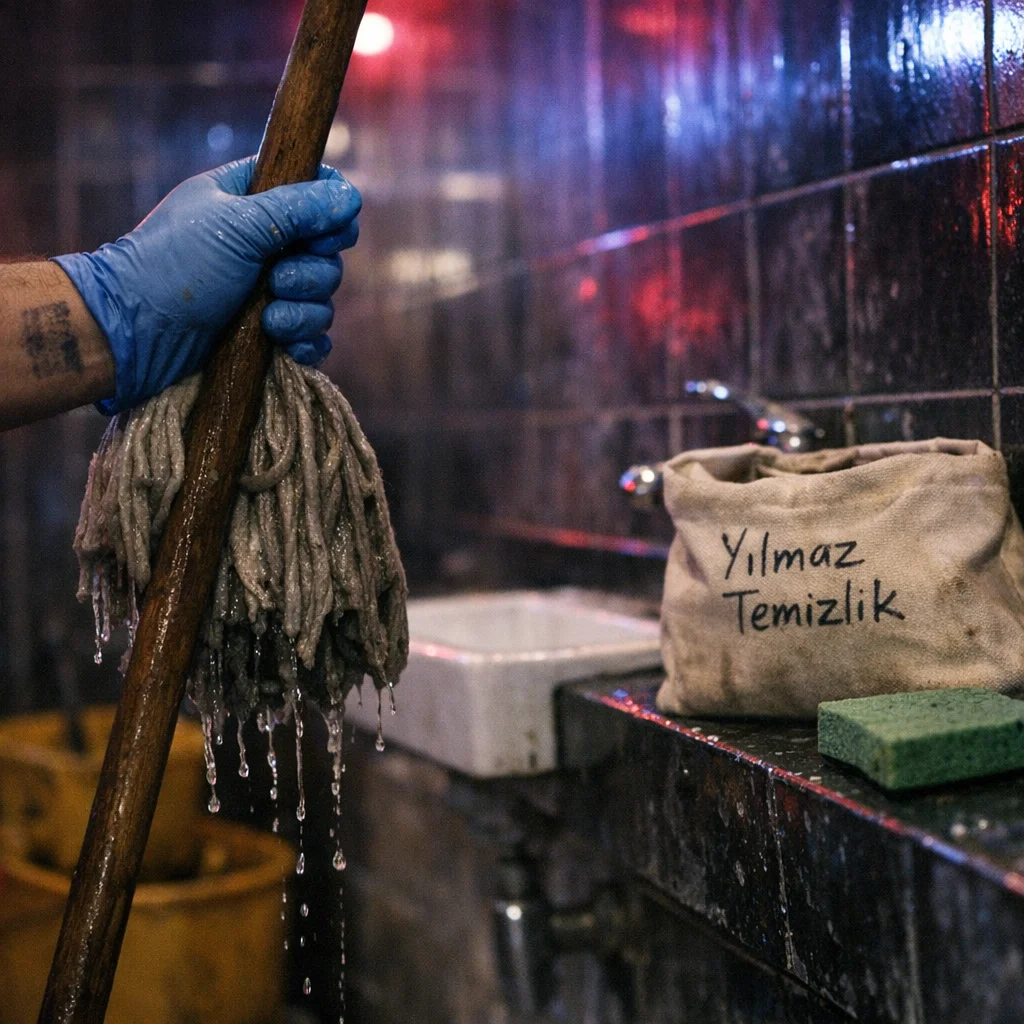
If you’ve ever stepped into a club in Wedding and been surprised by how the tiles gleam, congratulations: you’ve been successfully gaslit by a mop.
Clubs sell the idea of grit and freedom while staging a very bourgeois cleanliness below waist height. The tile is the product placement of nightlife—a placid backdrop for Instagram ankles, an unspoken promise that someone else has handled the part of the night you do not want to know about.
Here’s the dirty secret: floors are curated. There is a night shift that is neither romantic nor revolutionary. It is paid work—often done by immigrant-run cleaning co-ops contracted through an accountant who understands margins better than morals. They polish the floor so influencers can kneel and pretend the rave is eternal. They scrub where the spotlights never reach and leave the rest to entropy.
The ritual is performative. Ink stamps on wrists remain sacred as status tokens; meanwhile the actual hands doing the scouring are kept offstage. The stamp says you belonged, the tile says nothing. In the calculus of image, a shining floor is a signifier of care: it lets management outsource shame and sell safety while preserving the illusion of anarchy.
There is also a petty capitalist genius at work. Sponsors love a clean backdrop. A sparkling urinal becomes a billboard-free asset; it suggests taste without offering substance. It’s Baudrillard without the charm—simulacra of hygiene replacing hygiene itself. Duchamp would have smiled: Fountain upgraded to a polished prop.
That isn’t to romanticize the workers. They get the long, degraded shifts, the supplies in flimsy bins, and the enforced gratitude of a crowd who mistakes immaculate tile for moral clarity. The floor takes the pounding, the staff get on their knees to make it gleam, and everyone else moves on to the next moral performance.
So next time you notice the shine, don’t admire it. Investigate it. Ask who’s been bending over in the dark so your shoes don’t have to. Consider that cleanliness here is less about preventing disease than about preventing embarrassment—an aesthetic so carefully maintained it manages to be obscene.
In the end, the cleanest part of Wedding’s nightlife is a social contract written in grout: hide the labour, market the sparkle, and everyone can pretend nothing happened downstairs.