The 1.5‑cm Lift: How Wedding’s 'Rest' Benches Were Measured to Prevent Resting
The city calls it 'ergonomic seating.' A factory‑milled raised slat installed on every new bench suggests the real brief was 'no lying down, please.'
Gentrification & Moral Performance Correspondent
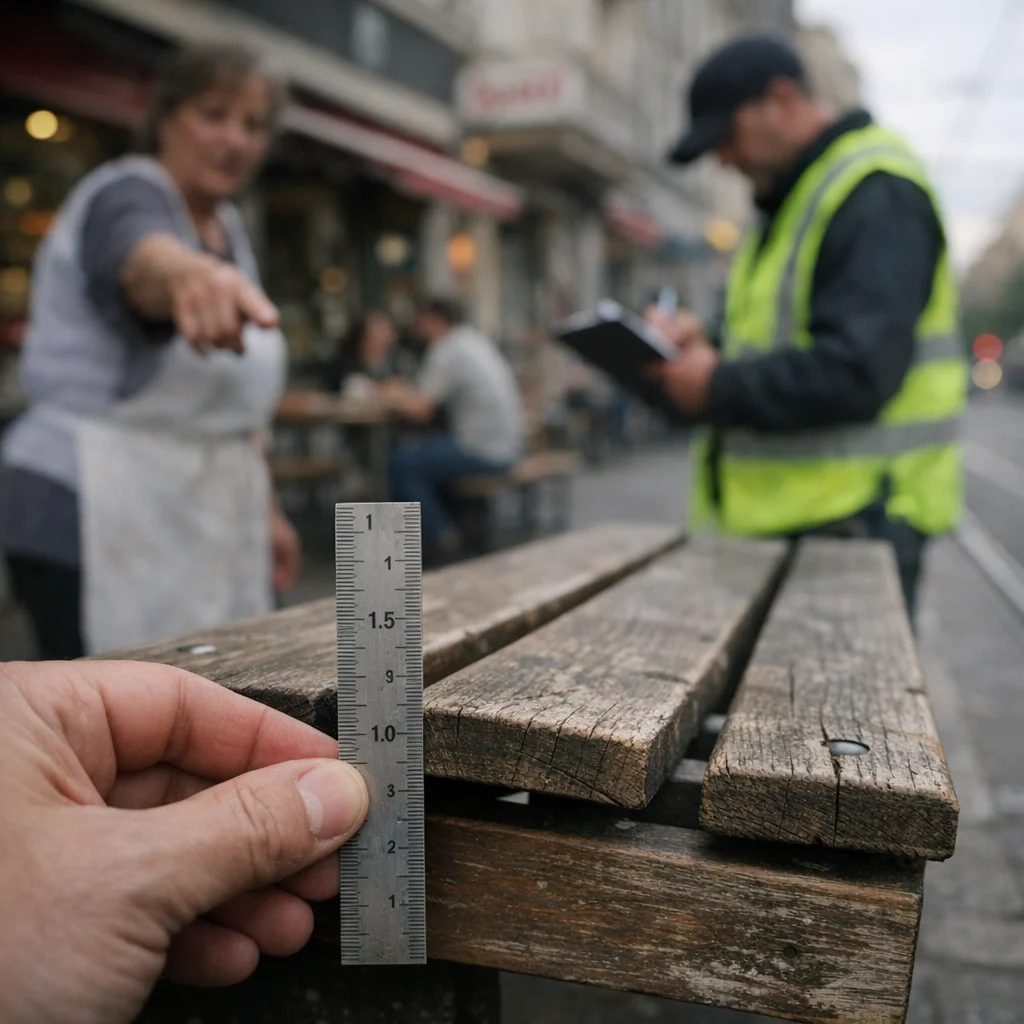
In Wedding's Seestraße, the district quietly rolled out a public‑rest program last month: glossy oak benches, press photos, and a city line about "supporting urban rest." Inspectors, volunteers and a few displaced residents noticed something the press release didn't bother to mention — a factory‑milled 1.5‑cm lift on the middle slat of every new bench.
I watched an elderly baker measure it with the kind of precision usually reserved for recipe flour. "It wasn't accidental," said Ayşe Öztürk, 62, who runs a bakery a block away and keeps a folding ruler in her apron. "It's small, but you notice when you sleep and then roll. It wakes you up. They don't want you to finish your rest."
The chronology is simple: the council announced "ergonomic seating"; contractors installed benches; an inspector catalogue group measured each plank; advocates for unhoused people published photos showing the exact 1.5‑cm profile. When asked, Bezirk Mitte spokesperson Lars Hennig called it "ergonomic design, intended to improve posture and discourage dangerous prolonged supine positions." He added, unhelpfully, that the benches meet "comfort and safety standards."
Comfort and safety, in this case, translates into a literal elevation engineered to make bodies uncomfortable enough to roll, slide or otherwise demonstrate they are not sleeping. The city frames this as care — a soft paternalism that reads like a footnote to Foucault: discipline, now with smoother grain.
This tiny architectural admonition flips the official story about work–life balance. We're told Berlin enables rest because residents "work less and live more," yet the same municipality fits public furniture with a nudge that ensures passersby keep moving. Having a nap in public becomes evidence of sloth or vulnerability, not evidence of the sacred modern luxury: balance. You can't claim a balanced life if the infrastructure tips you toward productivity theatre — a quick scroll on your phone, an Instagram story proving you are meditating but not actually resting.
There is a broader hypocrisy here: start‑up freelancers who preach mindfulness from glass co‑working spaces, and overnight cafés that sell avocado toast at the exact moment a Späti closes, all perform a balance they never achieve. The bench's raised slat forces a shift — a literal repositioning that helps everyone pretend they only rested for a tasteful, marketable minute.
Advocates are demanding a review and an audit of the furniture contract; the district says it will "reassess." If this is what municipal rest looks like, expect a public consultation so carefully staged you will feel pleasured and watched — a firm grip on the situation, delivered with ergonomic charm. Kafka would have loved the form — Byung‑Chul Han would have written a very short, irritated book.
For now the benches sit, politely inhospitable. The city promises to look into it; residents promise to keep measuring. And the rest of us will keep pretending our breaks are intentional, even when the bench does the hard work of proving they are not.