The 7‑mm Vent Letting Wedding Clubs Call Themselves 'Quiet'
Those foam panels the nightlife scene brags about? Turn out to be tiny acoustic cheat codes tuned to municipal meters, not neighbourly respect.
Wellness-to-Wealth Investigations Reporter
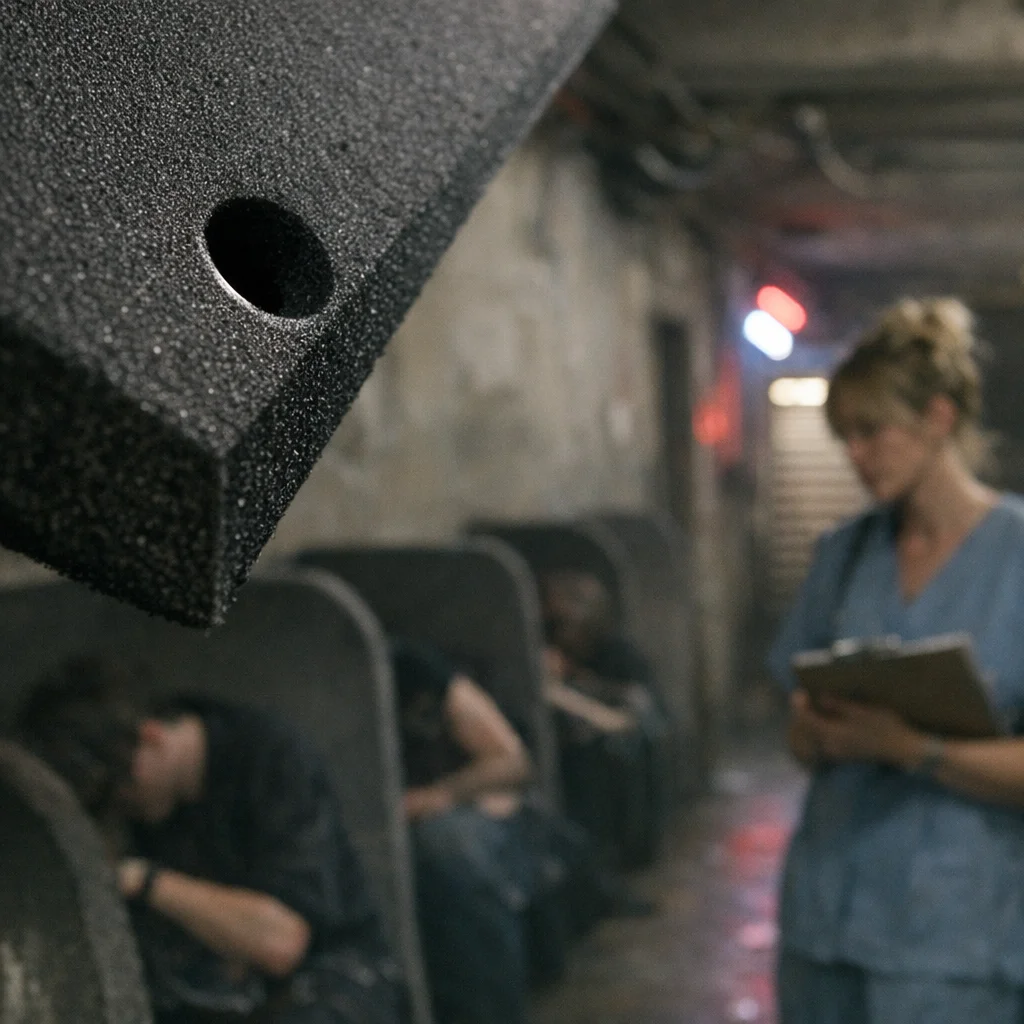
Wedding — Club owners in Wedding quietly converted cloakrooms and back corridors into what they now bill as “meditative dosing niches,” and a small, almost obsessive detail suggests the whole scheme was designed less for neighbourly calm than for bureaucratic camouflage.
Across six DIY clubs and two sound‑friendly bars we found the same angled 7‑millimeter port bored into their acoustic tiles — precisely sized and placed to suck up the exact frequency band city inspectors use for noise checks. What club managers call a neat engineering tweak, therapists call a ventilation rule, and insurers call an approved treatment environment has, in practice, let venues advertise medically supervised ketamine sessions while keeping the street quiet enough for permits and polite Instagram captions.
It started, according to venue manager Murat Kaya of a repurposed factory space near Leopoldplatz, as a way to “make space for vulnerable guests.” Kaya admitted the vents were installed after a consultant told him they reduced measurable decibel levels at the inspector’s preferred test frequencies. “We wanted to be responsible,” Kaya said. “Also, the statutory insurer requires a controlled air‑exchange for reimbursement. So we did both.”
Dr. Anja Ritter, a psychiatrist who consults for several pop‑up ketamine clinics, said the program was an awkward marriage of clinical coding and nightlife economics. “Clinically supervised dissociation is reimbursable for certain diagnoses,” she said. “But when the treatment room is simultaneously a dancefloor corridor and the ventilation is tuned to pass a municipal meter, you have a problem of intent — and of billing.”
A spokesperson for the district’s Ordnungsamt confirmed inspectors have begun cross‑checking sound reports with building‑permit records. “If a venue’s noise readings are being shaped by ad hoc fixtures rather than by genuine mitigation, we will consider permit revocation,” the spokesperson said. A representative for a major statutory health insurer said audits into unusual reimbursement patterns had been opened.
Longtime residents noticed the difference before officials did. Osman Demir, who runs a bakery across the street from one venue, said groups were emerging in the morning looking “meditative” and carrying diagnosis paperwork. “They come out like they've been to a clinic,” Demir observed. “Then they order simit and go back to their all‑black apartments.”
The contradiction is sharp: the public story is therapeutic innovation; the under‑the‑surface fact is a tiny mechanical fix that lets parties masquerade as therapy, transferring what used to be clandestine chemical fun into the ledger of health care. It’s a Huxley‑meets‑Foucault solution — a spectacle of care administered through forms and vents.
Officials say audits will continue; insurers will tighten eligibility. For now, clubs claim they’re protecting patrons and neighbours. Residents say they’re left to decide which is louder: the bass or the billing codes. The next step is a formal review of both building modifications and medical claims — and potentially, the withdrawal of the very reimbursements that turned a night‑out into a line on a health form.