The Batch Number on Your Test Strip: How Wedding’s Pill‑Checking Tents Became a Dealer‑Rated QA Lab
Everyone says mobile drug‑testing is a purely civic act of harm reduction — until you squint at the laminated result card and see a tiny wholesale lot code and 'supplier' field.
Nightlife Contradictions Reporter
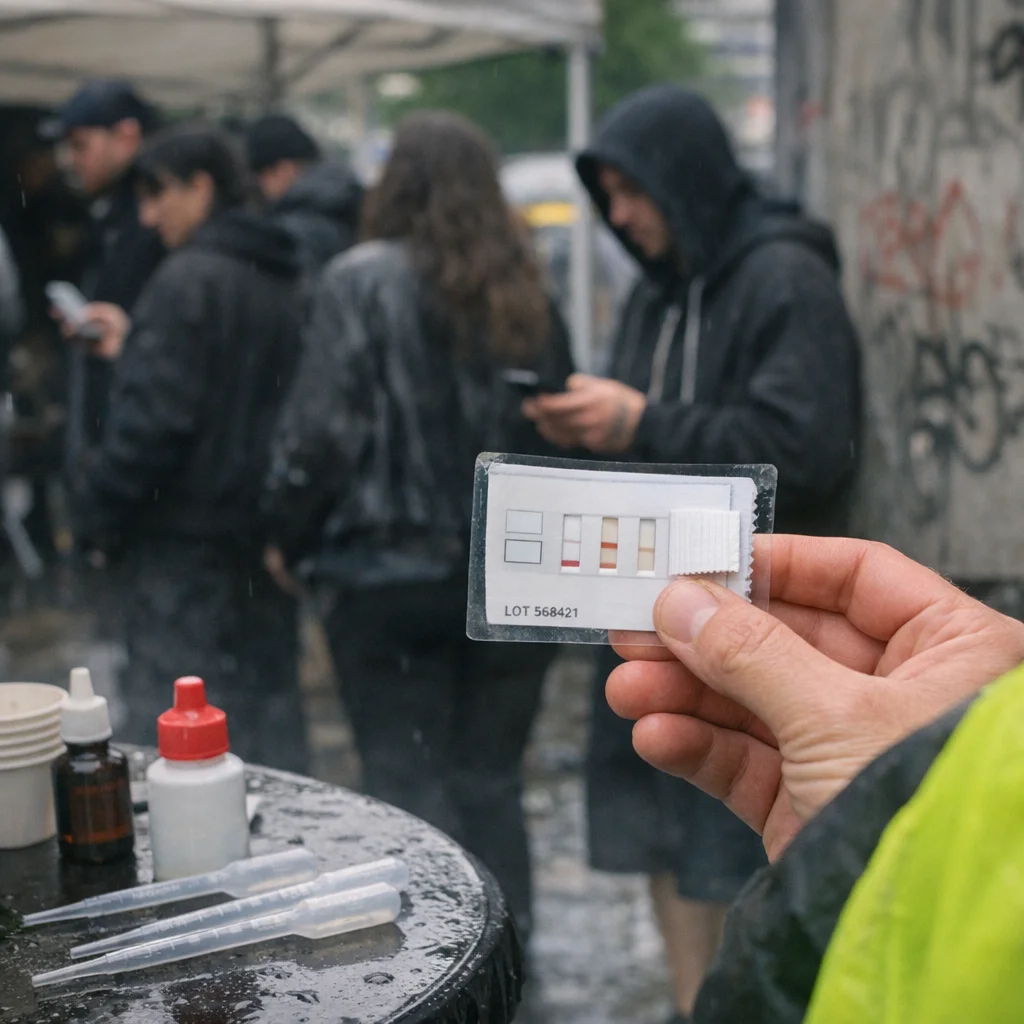
WEDDING — Volunteers at a pop‑up drug‑testing tent near Osloer Straße say they came to save lives; the small print suggests they also catalog quality control for the underground market.
What began as a Saturday morning harm‑reduction drill — calm volunteers in fluorescent vests handing out reagent strips and cups of chamomile tea — quickly developed an unexpected adjunct: each disposable pipette and laminated result card carries a microprinted "LOT" code and a tiny "supplier" field. The cards are folded into serrated stubs, the sort of stub you tear off and keep. Volunteers here started scanning those two‑letter codes into a private spreadsheet within days.
"We test, we tell people if a pill is risky, that's the point," said Leyla Kaya, 29, who has spent two years at similar tents. "But once you start listing lot codes, people want to know which batches are clean. You end up doing QA for whoever's pushing product."
Chronology: tents arrive, volunteers train on reagents, tents hand out cards, regulars notice the LOT code, a WhatsApp channel blooms, and within a week a ranked list of batch numbers circulates among after‑hours groups. Marcel Steiner, a 34‑year‑old DJ who sleeps badly and parties worse, said he now asks testers for the lot code before deciding. "It’s like checking a vintage—except you're sniffing it. People want a firm grip on what they're buying." The private spreadsheet, attendees say, has fields nobody advertised: vendor name, street nickname, and a short note column labelled "trust."
District officials were blunt. "Harm reduction's mission is public safety, not supply auditing," said Dr. Anke Fritsch, spokesperson for the Mitte public health office. She confirmed the office has opened a review into whether the supplier field should be removed and whether volunteers unintentionally enable market signalling. "We will clarify guidelines," she said, in bureaucratese that promises action without much friction.
About‑town reaction has been mixed. A manager at a nearby club said the tents reduced emergency runs last month but added, "We didn't sign up to host a quality‑assurance lab for dealers." Nightlife regulars muttered that the new ritual — a sober pause to inspect a tiny lot number — felt strangely modernist, like Walter Benjamin’s arcades repurposed for narcotics: commodities paraded, critiqued, fetishized.
Volunteers insist they'll keep testing; officials promise an audit; ravers keep buying. The immediate consequence is practical and ugly: a civic good has adopted a market language. The tents will either excise the supplier field or be forced to explain to mid‑market sellers that their free QA service now comes with an invoice no one wants to pay.