The Club That Started Selling Sobriety as a VIP Upgrade
Berlin’s nightlife has found a fresh way to moralize the floor: the people with the biggest tolerance for chaos now get to buy the right to look responsible about it.
Nightlife Identity & Self-Deception Correspondent
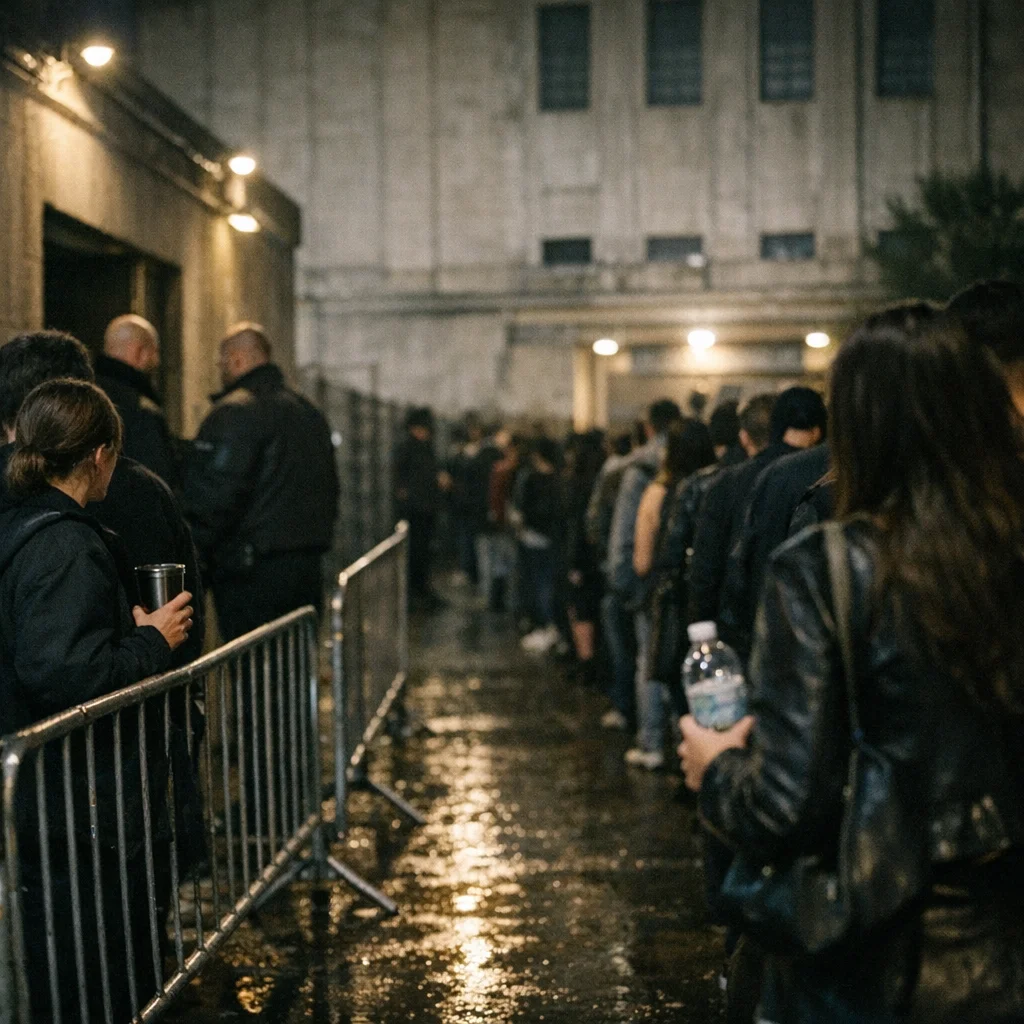
Berghain’s newest velvet rope is not the door, the queue, or even the bouncer with the face of a disappointed customs officer. It is the wellness menu. The city’s favorite temple of organized rot has discovered that sobriety can be monetized, packaged, and sold back to the kind of people who still think a nicotine patch is a personality.
On Saturday night, the line outside on Am Wriezener Bahnhof looked like a market for distressed self-regard. Men in black technical outerwear spoke in the grave, managerial tones of people who have never once been told no by a landlord. A woman with silver eyeliner and a tote bag printed with some dead artist’s slogan said she was “protecting her energy,” which in Berlin is often code for: I will judge your shoes before I judge your politics. Everyone wanted to look as if they had survived something expensive.
The new sober tier comes with sparkling water, “recovery” drinks, and a separate wristband that marks you as a person who can afford to be responsible. There is a quiet seating area, naturally. There is always a quiet seating area for the people who can buy one, while the rest of the city is left to perform dehydration in public. The menu language is pure late-capitalist incense: electrolyte blends, adaptogenic tonics, low-sugar mocktails named like startup exits, all delivered with the tender smugness of an app that has mistaken itself for ethics.
A club consultant who designs “wellbeing-forward nightlife experiences” said the goal is “to meet demand for intentional consumption.” That is what the rich call it when they want to keep doing the same stupid, self-harming things but with a citrus garnish and a cleaner conscience. Wellness here is not care. It is class laundering. Sobriety is not virtue. It is a premium badge for people who want to look disciplined while standing in the same line as everyone else and pretending the line is beneath them.
A Berghain spokesperson said the venue offers “different experiences for different needs,” which is the sort of sentence institutions produce when they have discovered a new way to charge extra for morality. The logic is exquisitely Berlin: if enough middle-class ravers can be persuaded that restraint is exclusive, they will pay to be regulated like obedient pets and call it liberation. They will happily buy a wristband that says “clean” while wearing the exhausted expression of people who spent their youth confusing self-destruction with depth.
And that is the real obscenity. Not that people want to drink less. Not that some nights call for water, air, and a seat that does not smell like stale sweat and old entitlement. The obscenity is that the city has turned basic decency into a lifestyle upsell, then handed it to the same crowd that can afford to cosplay struggle from the safety of a debit card with a generous limit. The people most desperate to appear low-maintenance are usually the ones making the most expensive scene.
They arrive dressed like they’ve been curated by a grief-stricken creative director. They speak in the soft, medicinal language of people who have never had to choose between rent and recovery. They want to be seen as disciplined, but only in the way a luxury gym wants to be seen as spiritual. Their restraint has the glossy, underlit quality of a sex club for people afraid of sweat.
By 3 a.m., the queue had split into its usual caste system: the hopefuls, the entitled, the chemically overconfident, and the ones who had clearly decided that a little humiliation was still cheaper than a therapist. Security kept the main door moving. The premium list kept selling out. Staff pointed toward the sober entrance with the flat, automaton politeness of people trained to convert social anxiety into revenue.
In the end, Berlin does what it always does. It takes a moral idea, strips it for parts, and sells the accessories back to the people with the most tasteful guilt. The club will call it care. The crowd will call it choice. But it looks more like a city teaching its most polished sinners how to purchase absolution one wristband at a time.